


Rubber Soft Baby Sock Shoes Anti-Slip
$15.85$20.7924% off
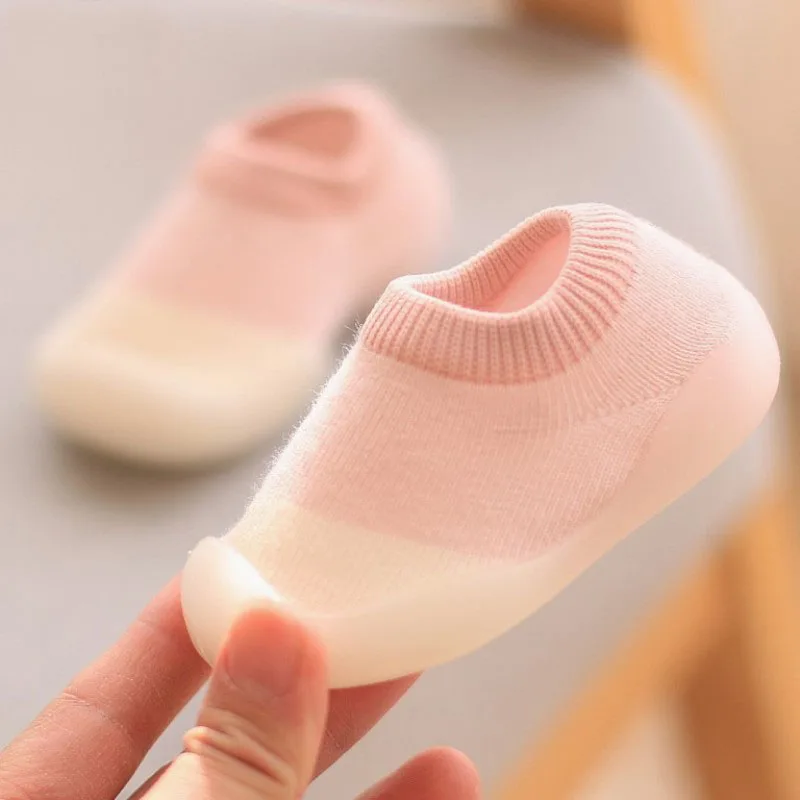
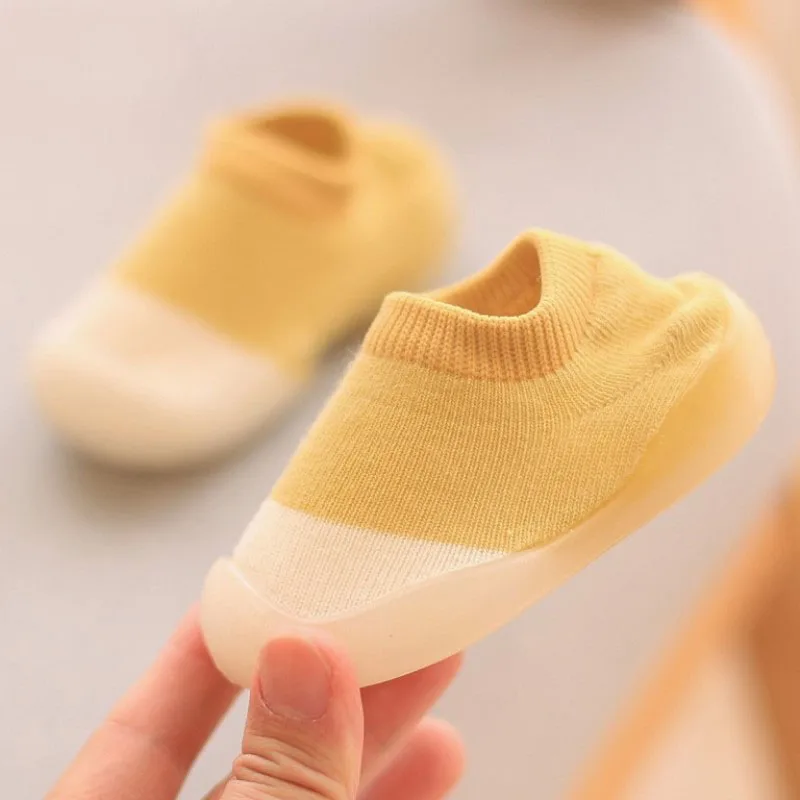
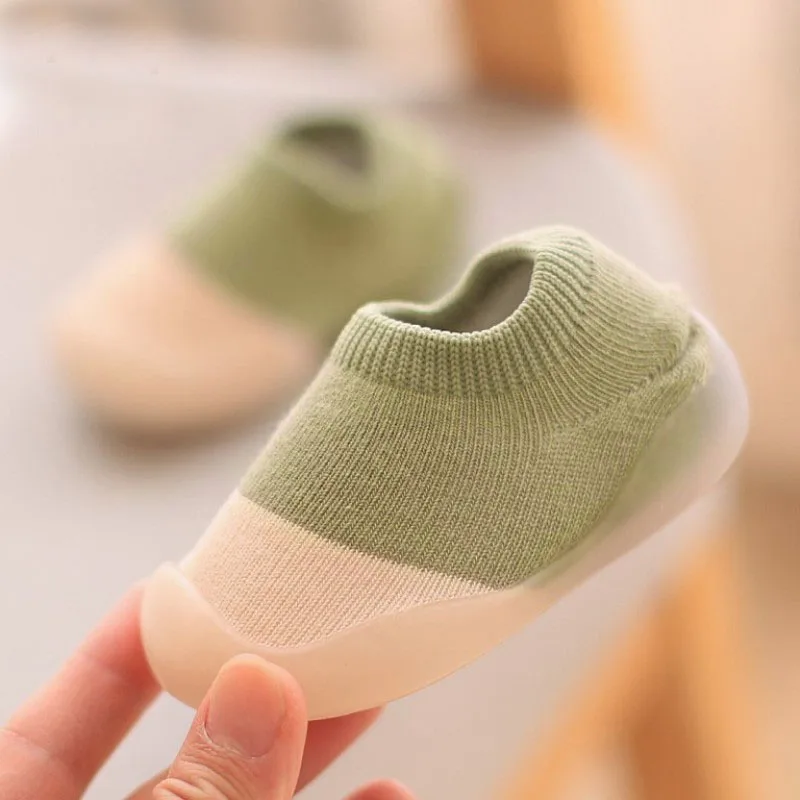
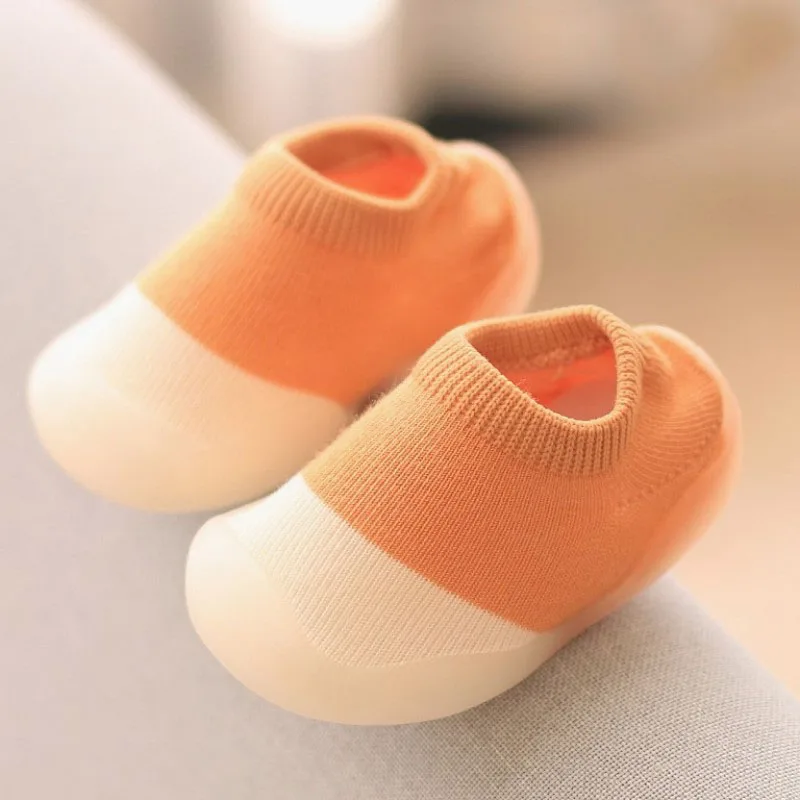
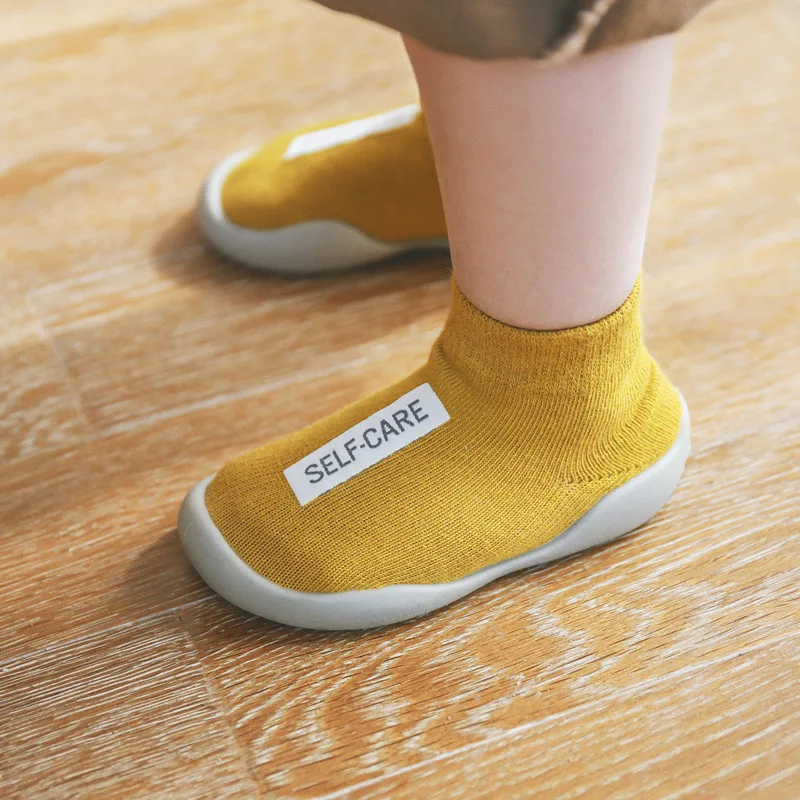
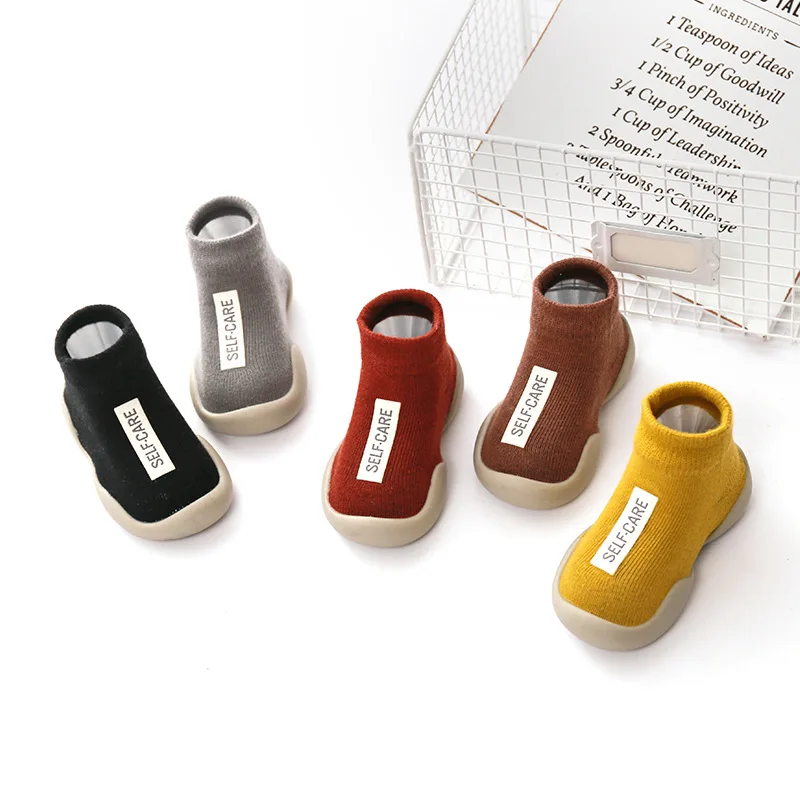
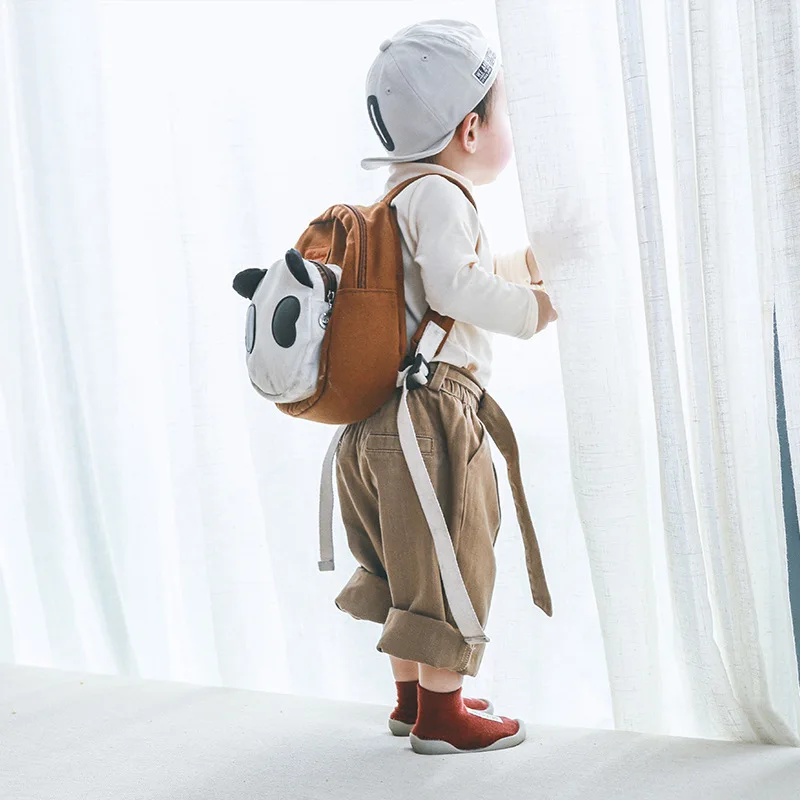
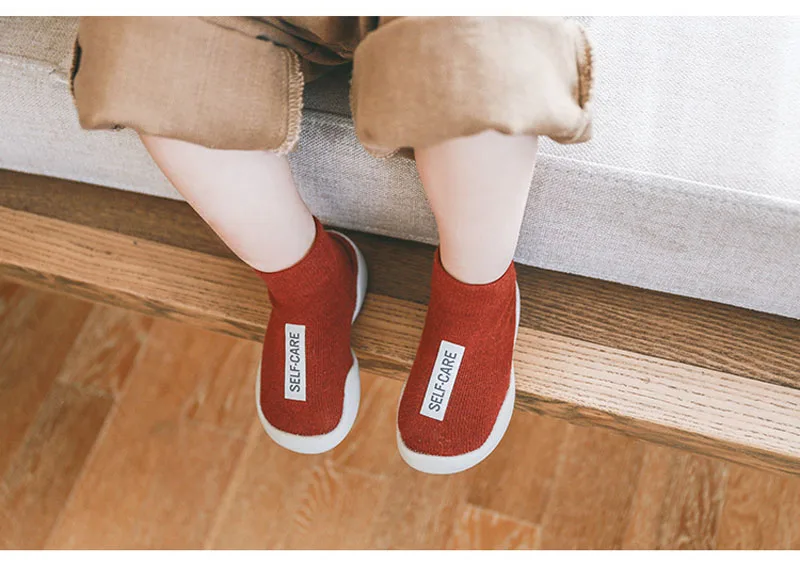
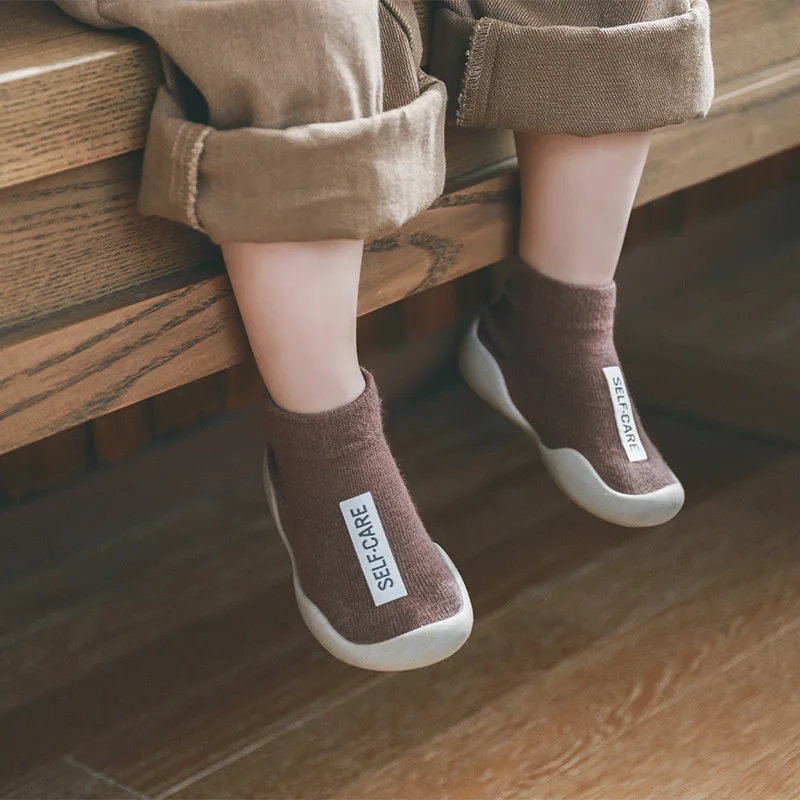
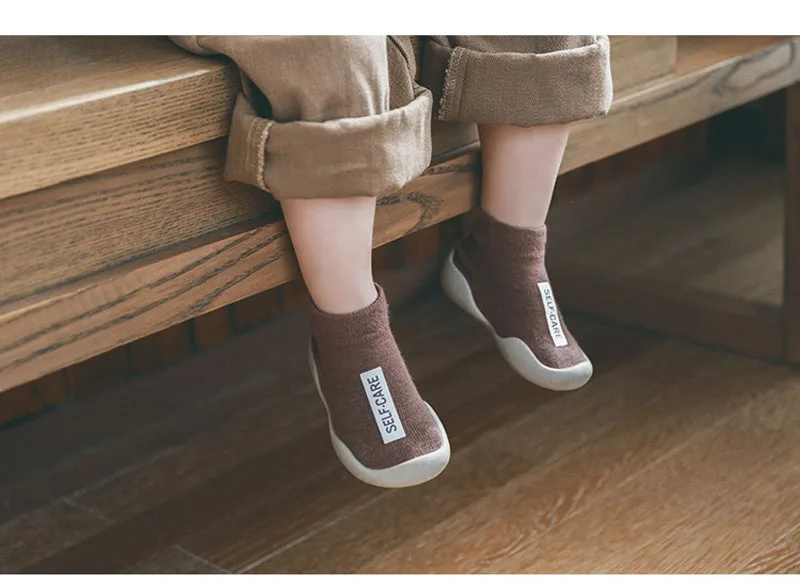
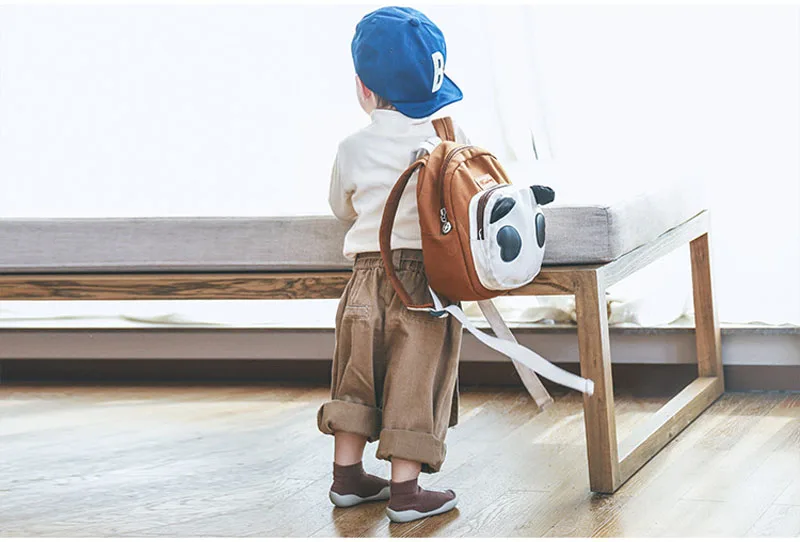
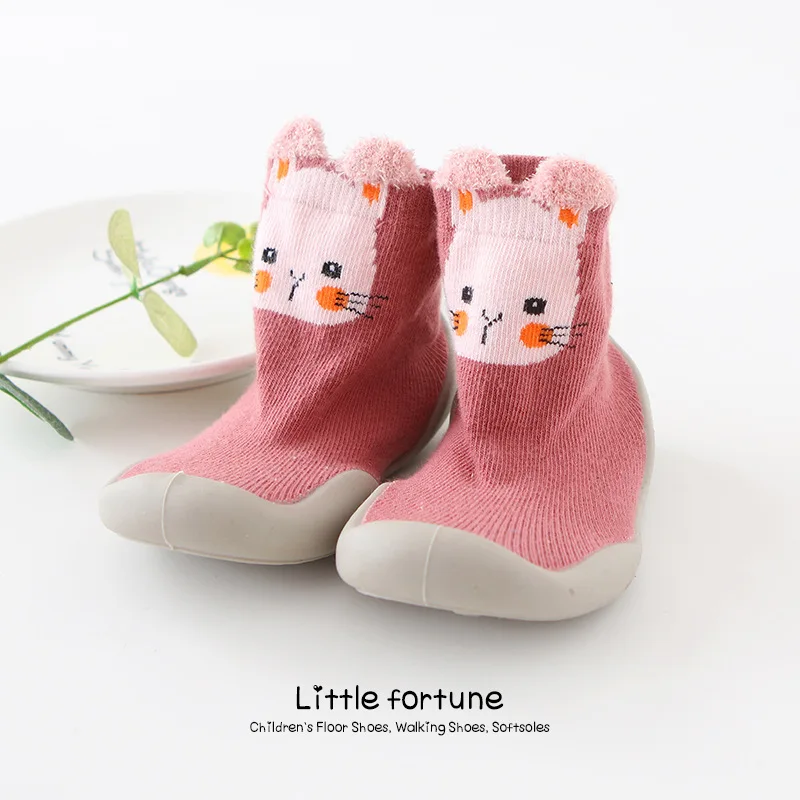
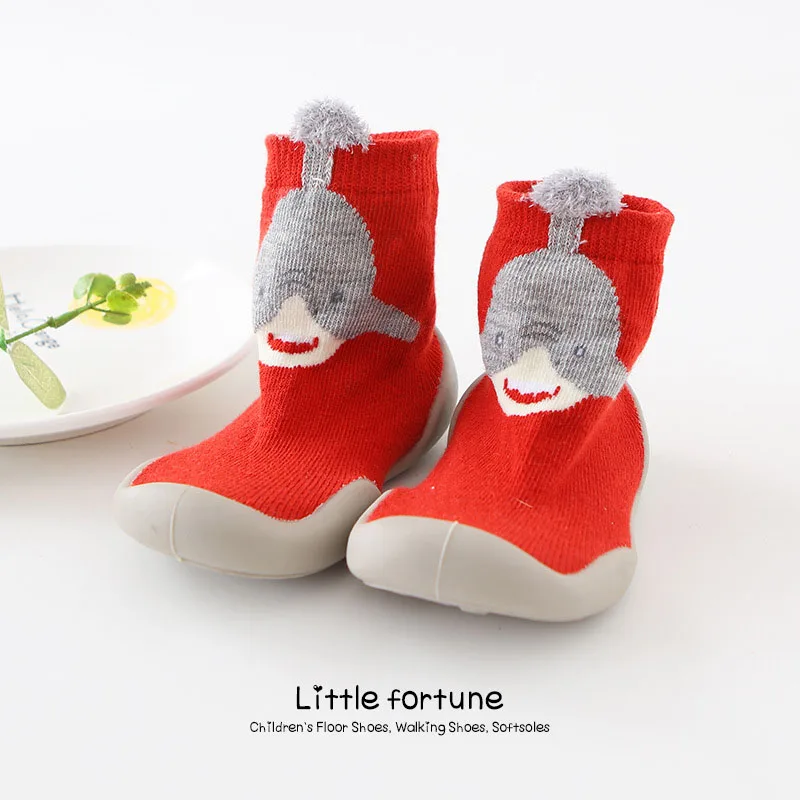
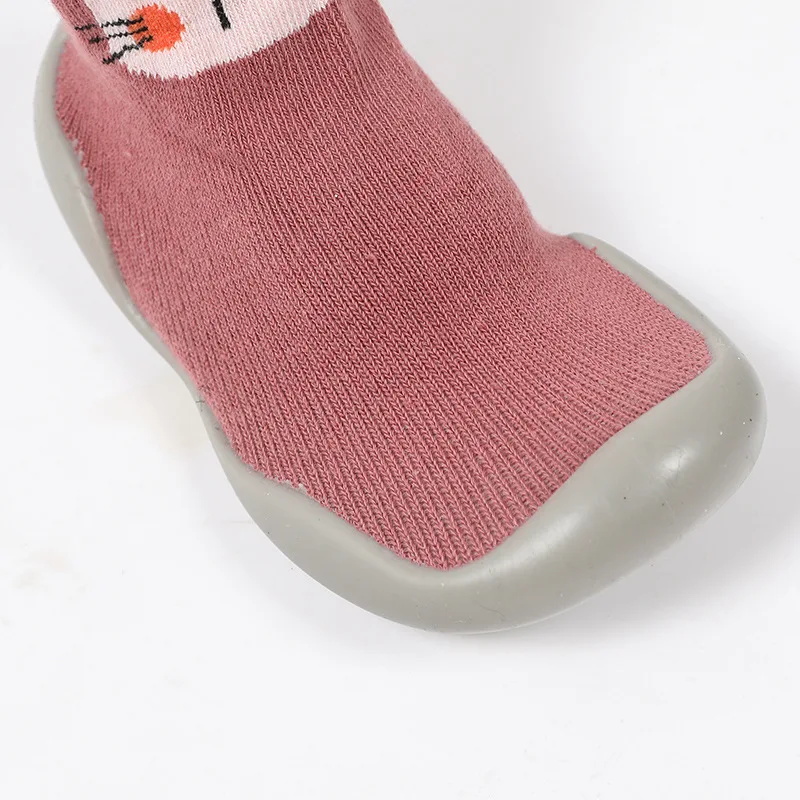
Soft, warm & anti-slip for safe first steps
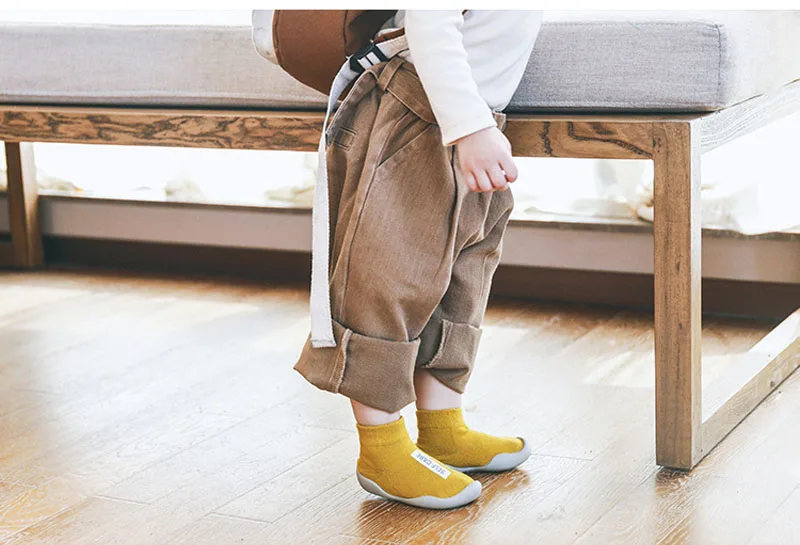
Easy to wear, stays on—no slipping off
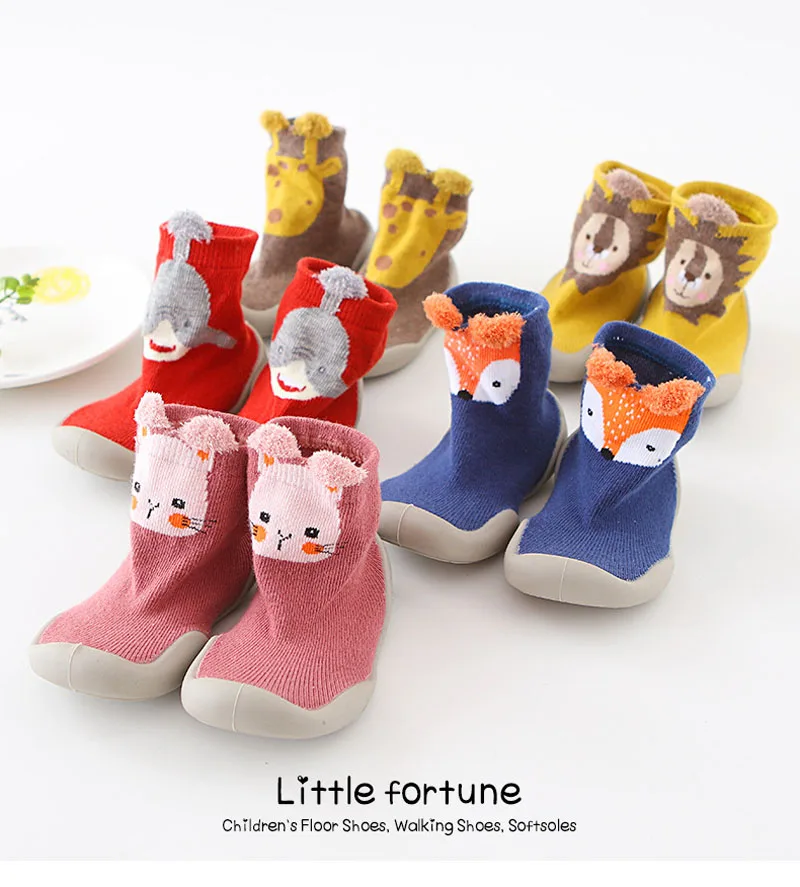
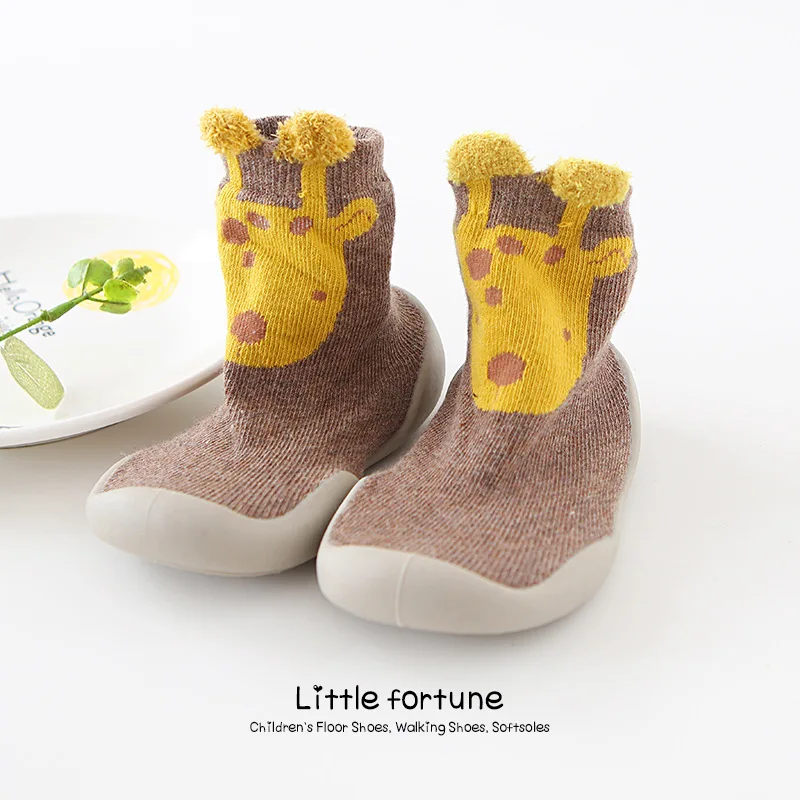
Cute shoe look, sock comfort perfect for daily use
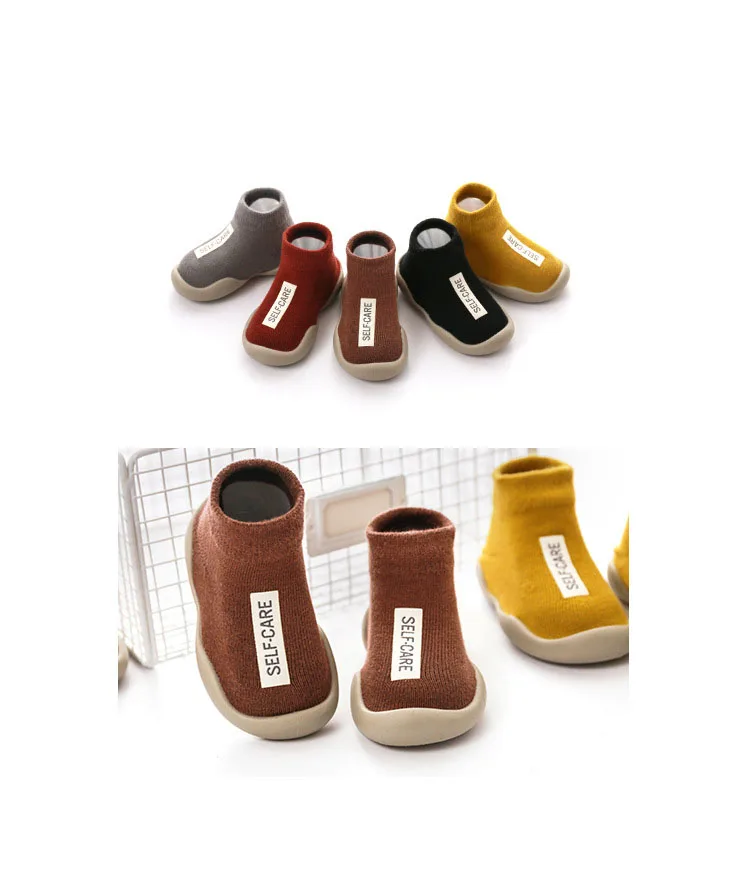
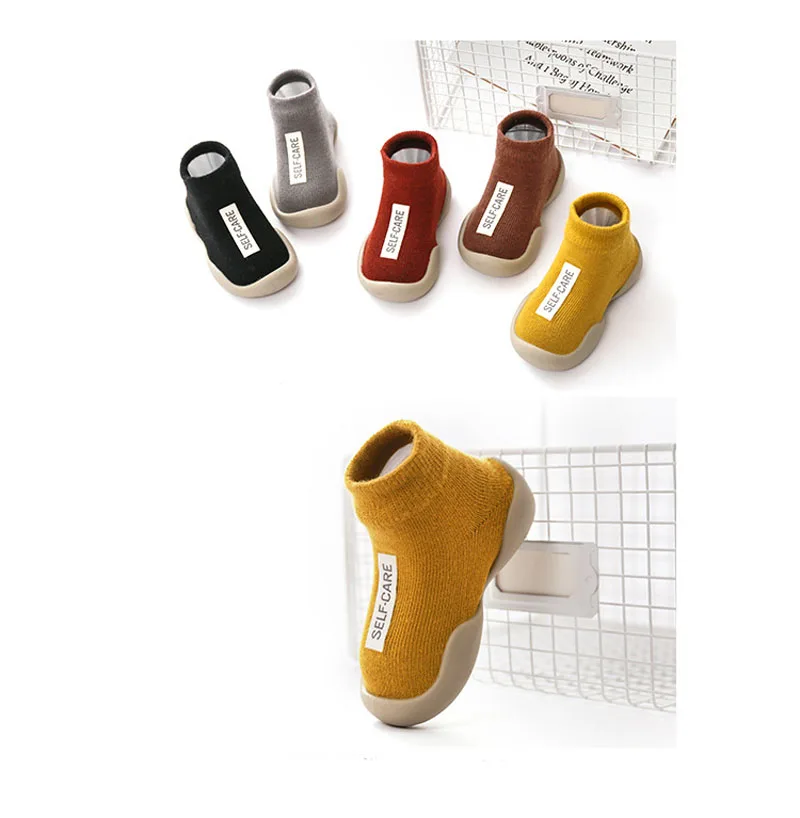
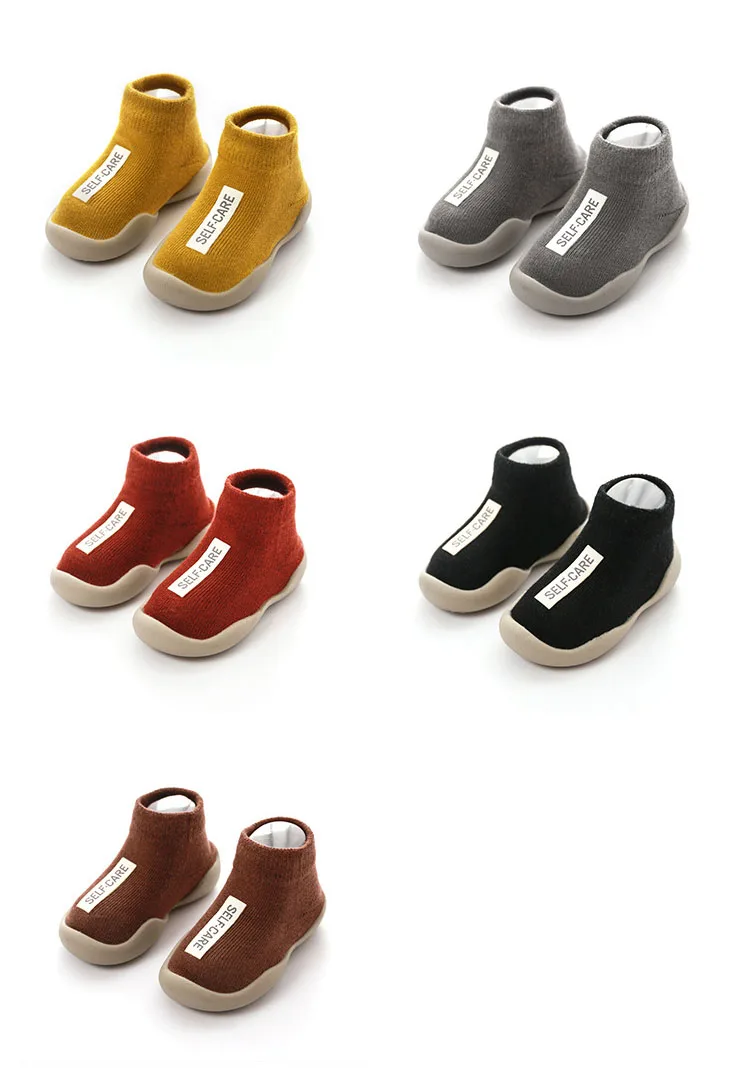
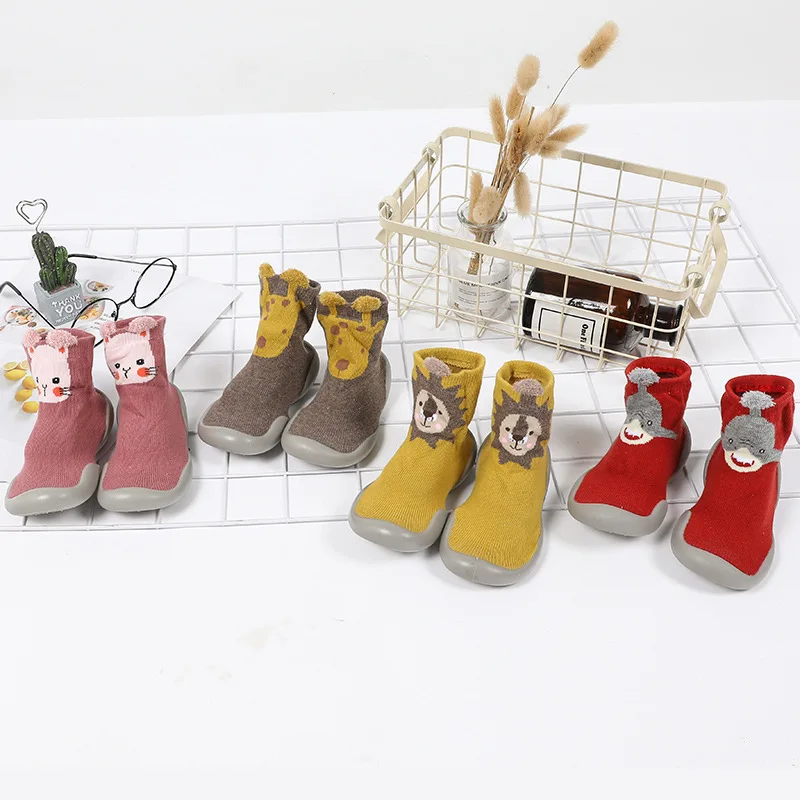
Color: 13


Shoe Size: 0-6 Months
Quantity







Product Description



Return & Warranty


Baby Sock Shoes


Have Fun and Explore with Your Babies
Discover our Baby Sock Shoes and Sock Collection, designed for comfort, safety, and everyday play. From soft, breathable socks to anti-slip baby sock shoes with flexible rubber soles, each pair supports crawling, standing, and first steps while keeping little feet cozy and secure.
Rubber Sole Sock Shoes Baby
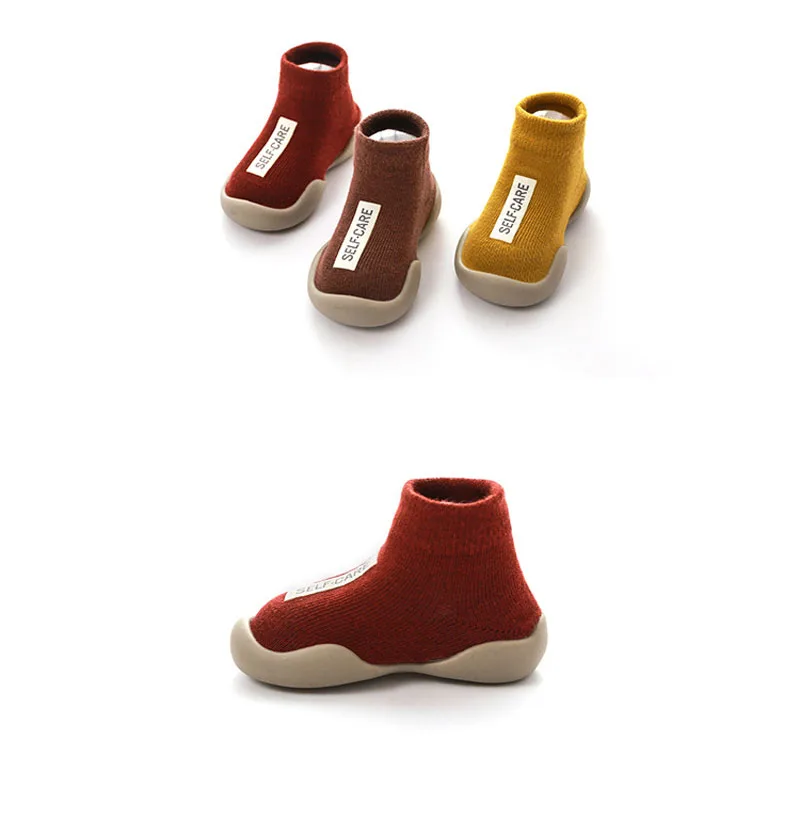
Soft sock comfort meets a non-slip sole to keep your baby safe, cozy, and confident with every tiny step. Designed like a sock but protects like a shoe, these baby sock shoes make early walking safer and more comfortable.
Flash sale - Free shipping on first order

Best Baby Sock Shoes for Early Walkers
Finding the right footwear for early walkers can be a challenge. Traditional shoes are often bulky, restrictive, and can get in the way of natural foot development. Barefoot walking is ideal—but not always safe on cold or slippery floors. That’s where our Baby Sock Shoes come in. Priced at just $15.85, they combine the comfort of a sock with the protection of a flexible, non-slip shoe—making them the smart choice for parents who want both safety and value.
The Bridge Between Barefoot and Shoes
Pediatricians and foot specialists often recommend barefoot walking for babies who are learning to stand and take their first steps. Why? Because it strengthens muscles, improves balance, and helps little ones understand how their feet move. But in real life, not every surface is safe. Floors can be cold, slippery, or dirty—making barefoot walking risky indoors.
Our baby sock shoes are designed to solve this. They allow for natural foot movement and “ground feel,” thanks to their ultra-flexible TPE rubber sole. That means your baby can grip the floor and build motor skills—just like being barefoot—but with an added layer of protection. The orthopedic-friendly design supports early development without adding weight or stiffness that could hold your baby back.


What Are Rubber Soft Baby Sock Shoes?
Rubber soft baby sock shoes are a modern solution for an age-old problem: how to keep a baby’s feet protected, supported, and safe while they learn to crawl, stand, and walk—especially indoors. They combine the softness of a sock with the stability of a shoe, offering an ideal balance between comfort and protection.
🧦 A Hybrid Design: Sock + Shoe
At first glance, they look like thick, cozy baby socks. But underneath, you’ll find a flexible rubber sole designed specifically to add grip and durability. This dual-function design allows your baby to move freely, without the stiffness or bulk of traditional baby shoes.
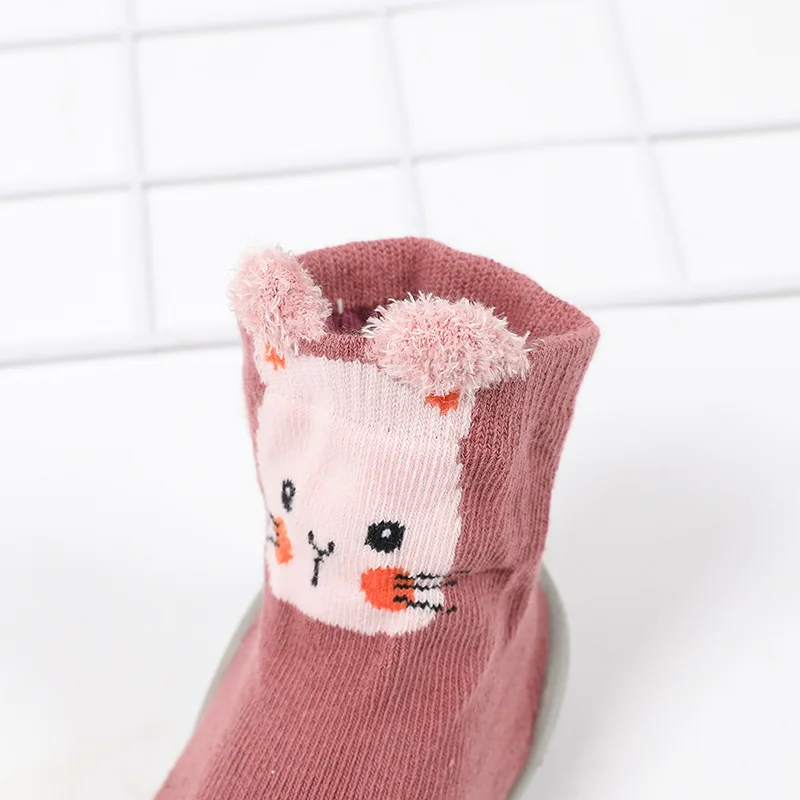
The upper is usually made of a cotton or knit fabric, much like a stretchy sock, which hugs the baby’s ankle and foot securely. The elastic edge prevents them from slipping off during play, while also ensuring they’re easy to slip on and remove—ideal for wiggly little feet.
🔍 Key Components of Rubber Soft Sock Shoes
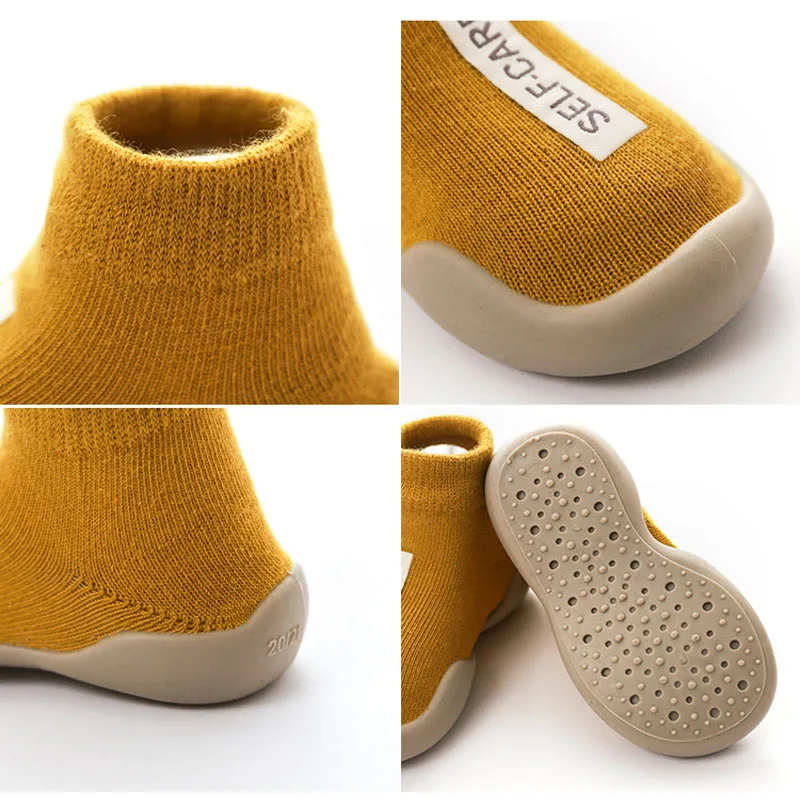
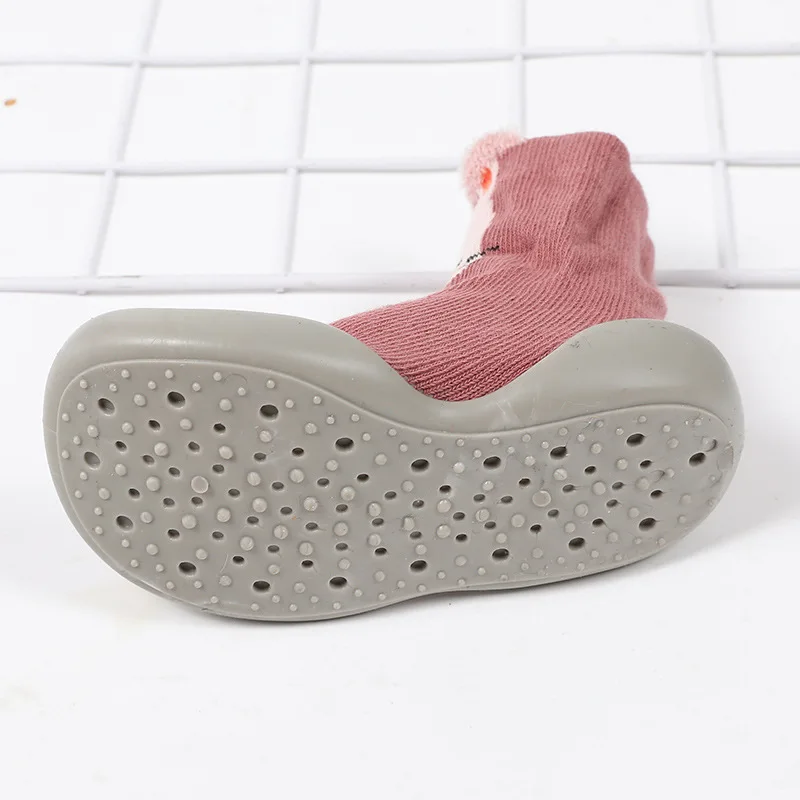
Rubber Sole: Thin, bendable, and designed to flex with every step. It adds just enough structure to protect your baby’s foot while still being soft enough to allow natural foot motion.
Cushioned Insole: Many designs include a removable or washable insole that adds extra comfort.
Elastic Sock Opening: Keeps the shoes in place without tight straps or velcro.
Soft, Breathable Upper Fabric: Allows air circulation, prevents overheating, and feels gentle on baby’s delicate skin.
In short, these shoes take the best parts of socks and shoes and merge them into a design that works for babies during one of the most important stages of development. They’re not just adorable—they’re practical, too.
In-Depth Look at Key Features
Rubber soft baby sock shoes aren’t just a trend—they’re built with thoughtful features that meet the real-world needs of both babies and parents. From the materials to the sole design, every element serves a purpose. Let’s break down what makes these shoes stand out.
🦶 Anti-Slip Rubber Sole for Safety
The standout feature is the soft, rubberized sole. It's designed with a textured grip pattern that provides traction on smooth indoor surfaces like hardwood, laminate, and tile. This is critical for babies who are just learning to walk, as they often lose their balance on slippery floors.
Why it matters:
Falls are one of the most common household accidents for toddlers. A secure grip builds a baby’s confidence as they explore, reducing slip-related falls.Bonus:
The rubber sole also adds a layer of insulation from cold floors, making them a great choice for cooler seasons.
🧦 Comfortable, Sock-Style Fit
These shoes offer a snug, elasticized fit similar to a regular sock. There are no zippers, buttons, or tight straps—just soft fabric that stretches gently over the foot.
Why it matters:
Traditional baby shoes can feel stiff and restrictive. Babies need to be able to flex and wiggle their toes to build strength and coordination.Design benefit:
The cuff helps the shoes stay in place, so parents don’t have to keep chasing lost socks or shoes.
👶 Supports Natural Foot Movement
The flexible design allows babies to bend, flex, and grip with their toes, just like they would when barefoot. This is vital in the early stages of learning to stand or walk.
Why it matters:
Shoes that are too structured can interfere with muscle development and balance. Pediatricians often recommend barefoot or barefoot-style shoes indoors—and this product delivers exactly that.
🌬️ Breathable and Skin-Friendly Materials
The upper portion is typically made from cotton or a blend of soft, breathable fabrics that help regulate temperature and prevent sweat buildup.
Why it matters:
Babies have sensitive skin. The wrong material can cause irritation, overheating, or even fungal infections.Added benefit:
These shoes are often machine washable, making them easy to clean and reuse.
🧼 Washable and Durable
Parents love products that can survive real use. Many versions of rubber sock shoes feature a removable insole and machine-washable fabric, so cleanup is easy after spills or accidents.
Why it matters:
Babies are messy. Having footwear that’s easy to clean extends its life and keeps it looking (and smelling) fresh.
🧳 Great for Travel and Daycare
These shoes are lightweight and easy to pack, making them perfect for trips, daycare bags, or keeping as a backup pair. Their secure fit also makes them ideal for sending to daycare without worry.
Why it matters:
Some baby shoes are bulky or require a lot of effort to put on. These simplify routines at home or on the go.
Detailed Sizing Guide and How to Measure
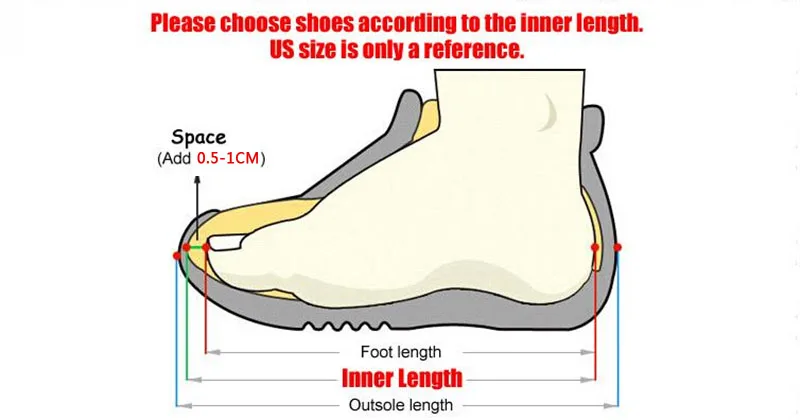
Choosing the right size for your baby’s feet is more important than many parents realize. A shoe that’s too tight can restrict growth and circulation, while one that’s too loose can cause slipping, tripping, or even foot discomfort. Rubber soft baby sock shoes are designed with comfort in mind, but getting the right fit starts with knowing how to measure and interpret the size chart.
🧮 How to Measure Your Baby’s Foot at Home
You don’t need any special tools—just a piece of paper, a pencil, and a ruler. Here’s a step-by-step guide:
Prepare a flat surface:
Place a sheet of paper on the floor against a wall.Position your baby:
Have your baby stand (or hold them standing if they can’t yet) with their heel touching the wall.Mark the toes:
Use a pencil to mark the tip of the longest toe on the paper.Measure the length:
Use a ruler to measure the distance from the edge of the paper (where the heel touched the wall) to the toe mark. This is the foot length.Add room for comfort:
Add 0.5 to 1 cm to your measurement. This gives enough room for growth and comfort—especially since babies grow fast.
📏 Baby Sock Shoe Size Chart
Here’s a commonly used size chart for rubber soft sock shoes, based on inner shoe length and approximate age:

📌 Tip: If your baby’s foot length is between two sizes, always size up. It’s better to have a little extra room than risk restricting movement.
👶 Signs You Have the Right Fit
The shoe stays on during active play.
There’s a small gap at the front (about a pinky’s width).
Your baby can move their toes freely.
There are no red marks or irritation after wear.
Having the right size ensures your baby gets the full benefit of the sock shoes’ design—maximum comfort, natural movement, and safety while learning to explore the world.
🚫 Common Sizing Mistakes to Avoid
Guessing by age only:
Not all babies follow the same growth pattern. Use measurements, not just age, to choose the size.Forgetting to measure both feet:
One foot may be slightly larger. Always use the larger foot for shoe sizing.Not checking regularly:
Baby feet grow fast—check sizing every 1–2 months, especially during growth spurts.
When Should Babies Start Wearing Sock Shoes?
Many parents wonder when is the right time to introduce shoes—and more specifically, sock shoes—into their baby's daily routine. The short answer: when your baby begins to crawl, pull to stand, or take first steps indoors, it’s the perfect time to start using rubber soft baby sock shoes.
🗓️ Key Milestones That Signal Readiness
Crawling (Around 6–10 Months)
Babies start exploring their environment by crawling, often on hard or cold floors. Sock shoes offer extra warmth and grip without restricting movement, which is ideal for this stage.Pulling Up & Cruising (Around 9–12 Months)
At this point, babies begin standing with support—on furniture, walls, or your hands. Bare feet are great for balance, but if the floor is cold or slippery, sock shoes can provide safe indoor traction.First Independent Steps (Around 12–18 Months)
Walking begins in short bursts, often with stumbles. Anti-slip sock shoes help build confidence by preventing slips while still allowing natural foot flexion and toe-gripping.Walking Confidently Indoors (18–24 Months and beyond)
As toddlers walk more and more indoors, lightweight footwear becomes essential. Sock shoes continue to offer the comfort of socks, but with the added safety of grippy soles.
👣 Why Sock Shoes Are Ideal for Early Walkers
Unlike traditional shoes that may restrict foot motion, sock shoes are designed for flexibility and function. Pediatricians recommend barefoot walking at home for early walkers, but that’s not always practical—especially on tile, wood, or laminate. Sock shoes are a perfect alternative because they:
Mimic barefoot movement without sacrificing protection
Reduce the risk of slipping while babies practice balance
Encourage natural muscle development in the feet and legs
Fit securely without stiff soles or tight fasteners
🏠 Best Indoor Environments for Sock Shoes
Rubber soft baby sock shoes are especially useful in:
Homes with tile, hardwood, or laminate floors
Daycare centers or nurseries where footwear is required
Indoor playgrounds with smooth or polished flooring
Cooler climates where socks alone don’t offer enough warmth
Apartments or homes where noise from walking should be minimized
Top Benefits for Parents and Babies
Rubber soft baby sock shoes are more than just a stylish addition to your baby’s wardrobe—they're practical tools designed to support development, improve safety, and simplify daily routines. Let’s break down the most important benefits for both babies and their caregivers.
👶 1. Encourages Healthy Foot Development
Babies are born with soft, developing feet. These shoes allow natural movement, flexing, and toe-spreading—all essential for strengthening muscles and improving balance.
Soft, flexible soles support barefoot-style walking.
No rigid arch support or stiff structure to hinder growth.
Promotes correct posture and coordination during early walking stages.
🛡️ 2. Reduces Risk of Slips and Falls Indoors
Safety is a major concern when babies start standing or walking. Hardwood and tile floors can be dangerously slick. The anti-slip rubber soles on sock shoes add traction without bulk, helping prevent minor slips that could lead to bumps or bruises.
Ideal for smooth indoor surfaces.
Helps boost your baby’s confidence while learning to walk.
Useful in homes, playrooms, or daycare environments.
🧦 3. Comfortable for All-Day Indoor Wear
The sock-like fit makes these shoes incredibly comfortable for babies to wear for long periods. The soft, stretchy fabric keeps feet warm without overheating and doesn’t cause pressure or leave red marks.
Great for naps, indoor play, or lounging.
No need to take them off constantly—they’re cozy and safe.
Helps regulate temperature better than thick socks alone.
🧹 4. Easy to Clean and Maintain
Unlike leather or synthetic shoes that may stain or absorb odors, most rubber sock shoes are machine-washable. Many also come with removable insoles to make cleaning even easier.
No special cleaning tools required.
Can be washed alongside baby clothes.
Quick to dry and ready to use again.
⏱️ 5. Saves Time During Daily Routines
With no laces, zippers, or velcro, these shoes slip on easily—ideal for wriggly babies or busy mornings.
Elastic cuffs make putting them on a 5-second task.
They stay on better than socks, reducing mid-day outfit changes.
Easy for daycare staff or grandparents to manage too.
🎁 6. Makes a Thoughtful and Practical Gift
Parents appreciate useful gifts. These shoes are not only affordable and functional but also come in cute, gender-neutral designs, making them ideal for baby showers, holidays, or birthdays.
One size fits a clear age range, so gifting is simple.
Pairs well with matching baby outfits or accessories.
Available in multi-packs or gift bundles on many baby retail sites.
🌍 7. Lightweight and Perfect for Travel
If you’re traveling with your baby, rubber sock shoes take up almost no space in your bag. Their flexibility means they can be folded or rolled, and they’re perfect for flights, hotel rooms, or visits to relatives where you want to keep baby’s feet warm and protected indoors.
👨👩👧 8. Parent-Approved Across the Board
Most parents who try rubber sock shoes become repeat buyers. The balance of comfort, function, and ease of use makes them a practical favorite for any household with a toddler or infant.

Sock Shoes vs Other Baby Footwear
Choosing the right footwear for your baby can be overwhelming—there are countless styles, from traditional crib shoes to soft booties, pre-walker sneakers, and now, sock shoes. To help simplify your decision, here’s a clear breakdown of how rubber soft baby sock shoes compare to other common baby footwear options.
👟 Sock Shoes vs Regular Socks
Regular Socks:
No grip
Easily slide off
Provide warmth but not protection
Offer no structure for standing or walking
Sock Shoes:
Feature anti-slip rubber soles for traction
Stay securely on baby’s feet
Offer slight protection from hard or cold floors
Support early walking without restricting movement
Verdict: Regular socks are okay for newborns, but as soon as a baby starts crawling or cruising, sock shoes offer a major upgrade in both function and safety.
👟 Sock Shoes vs Hard-Soled Baby Shoes
Hard-Soled Shoes:
Often stiff and heavy
Can limit natural toe movement
Designed more for appearance than function
May delay proper walking technique if used too early
Sock Shoes:
Ultra-lightweight and flexible
Allow natural flexing, toe-gripping, and arch development
Ideal for indoor use and early walking phases
Comfortable for long wear without restricting movement
Verdict: Pediatricians typically recommend avoiding hard-soled shoes until babies are walking confidently outdoors. Sock shoes are a much better fit for early developmental stages.
🔄 Why Sock Shoes Are the Most Versatile Option
If you're looking for one type of baby footwear that checks all the boxes—safe, soft, secure, and supportive—sock shoes win in nearly every category for babies who are crawling, cruising, or just starting to walk indoors.
They’re not a gimmick or a luxury—they’re a functional, well-designed tool that helps both babies and parents navigate an important phase of growth safely and comfortably.
Choosing the Right Pair: What to Look For
Not all baby sock shoes are created equal. While the general design stays consistent—a flexible rubber sole with a sock-style upper—the quality, comfort, and durability can vary significantly between brands. Whether you're buying for your own child or as a gift, here’s what you should consider to pick the best pair.
🧱 1. Sole Thickness and Grip Pattern
The rubber sole is the heart of a baby sock shoe. It should be thick enough to protect feet from cold or rough floors but flexible enough to bend with every step.
Look for:
Anti-slip texture or tread design
Soles that flex easily when bent
Materials labeled BPA-free, soft rubber, or silicone
Avoid:
Flat, slippery soles without grip
Hard soles that don’t bend
Tip: If the sole stays flat when you try to bend it, it’s probably too stiff for early walkers.
🧦 2. Fabric Quality and Breathability
The upper sock material should feel soft and stretchy, but also be durable and breathable.
Look for:
Cotton or cotton blends (ideal for sensitive skin)
Breathable mesh or knit designs for warm climates
Double-stitched seams for durability
Avoid:
Synthetic fabrics that trap heat or cause sweating
Loose threads or poorly finished seams
A good pair will feel like a quality sock—snug, soft, and not too tight around the ankle.
🧼 3. Easy Care and Maintenance
Babies spill, drool, and step in all kinds of messes. Your chosen sock shoes should be easy to clean.
Look for:
Machine-washable labels
Removable insoles (for deep cleaning)
Fast-drying materials
Avoid:
Shoes that require hand washing only
Soles that trap water or dirt
A low-maintenance design saves you time and keeps shoes fresh for daily use.
👣 4. Fit and Sizing Options
Brands vary in their sizing, so choose a pair that offers a detailed size chart and clear instructions for measuring your baby’s foot.
Look for:
Sizes based on both age and foot length
A sizing guide that recommends adding 0.5–1 cm for growth
Options for babies from 0–6 months up to 2–4 years
Avoid:
“One-size-fits-all” products (they rarely fit well)
Shoes without clear sizing help or measurements
👶 5. Ankle and Heel Support
While babies don’t need structured arch support, they do need shoes that stay on comfortably. The ankle area should hold the shoe in place without squeezing or leaving red marks.
Look for:
Elastic or ribbed cuffs that grip gently
A snug heel area that prevents slipping off
Tall enough cuffs to stay secure during crawling or walking
Avoid:
Wide openings that sag
Tight cuffs that leave marks or cause irritation
🛍️ 6. Brand Reputation and Customer Support
Finally, consider buying from a brand that has positive reviews and good customer service. If a pair doesn’t fit or wears out quickly, it’s important to have support for returns or replacements.
Look for:
Verified purchase reviews
Clear shipping and return policies
Fast response from customer support
Choosing the right sock shoes doesn’t have to be complicated. Focus on comfort, fit, and grip—and always prioritize quality materials over cheap alternatives. A good pair should support your baby’s first steps and give you peace of mind as they explore.
When Not to Use Baby Sock Shoes
While rubber soft baby sock shoes are ideal for many situations—especially indoors—there are times when they’re not the best choice. Knowing when to avoid them ensures your baby’s feet stay properly supported and protected in all environments.
🚫 1. Avoid Outdoor & Rough Surfaces
Baby sock shoes are made for indoor use. Pavement, gravel, concrete, or grass can damage the thin sole and cause discomfort or injury.
Best choice: Use baby sneakers or outdoor soft-sole shoes when going outside.
🌧️ 2. Don’t Use on Wet or Slippery Floors
Sock shoes aren’t waterproof. Wet grass, puddles, rainy sidewalks, or freshly cleaned floors can reduce grip and increase slipping risk.
Best choice: Switch to waterproof or moisture-resistant baby shoes in wet conditions.
Rubber sock shoes are amazing within their purpose—lightweight, flexible, and safe for indoor use. But like any product, they work best when used in the right situations. Knowing their limits helps you use them more effectively while keeping your baby’s feet happy and healthy.
How to Clean and Maintain Rubber Soft Sock Shoes
Babies are messy—there’s no way around it. That’s why having footwear that’s easy to clean is a must. One of the biggest advantages of rubber soft baby sock shoes is how low-maintenance they are. With proper care, a good pair can last through growth spurts, spills, and daily wear.
Let’s go over the best practices for keeping these shoes clean, fresh, and safe for your baby.
Rubber sock shoes are amazing within their purpose—lightweight, flexible, and safe for indoor use. But like any product, they work best when used in the right situations. Knowing their limits helps you use them more effectively while keeping your baby’s feet happy and healthy.
How to Clean and Maintain Rubber Soft Sock Shoes
Babies are messy—there’s no way around it. That’s why having footwear that’s easy to clean is a must. One of the biggest advantages of rubber soft baby sock shoes is how low-maintenance they are. With proper care, a good pair can last through growth spurts, spills, and daily wear.
Let’s go over the best practices for keeping these shoes clean, fresh, and safe for your baby.
🧼 1. Machine Washing: The Easiest Option
Most rubber soft sock shoes are machine-washable, making cleanup quick and stress-free.
✅ Steps for Machine Washing:
Remove the insole (if it comes out).
Place the shoes in a mesh laundry bag to prevent wear or stretching.
Use a gentle cycle with cold or lukewarm water.
Wash with baby-safe detergent (fragrance-free and hypoallergenic).
Avoid bleach or fabric softeners, as these can break down the material or irritate sensitive baby skin.
✋ 2. Hand Washing: For Delicate or Specialty Designs
If your shoes have detailed prints, delicate knit fabric, or non-removable parts, hand washing is safer.
✅ Steps for Hand Washing:
Fill a basin with warm water and mild baby soap or detergent.
Soak the shoes for a few minutes.
Use a soft brush or cloth to scrub gently.
Rinse thoroughly with clean water.
Squeeze out excess water without twisting.
Hand washing helps preserve designs and elasticity over time.
🌬️ 3. Drying Tips: Air Dry Only
Never use a dryer—excessive heat can damage the rubber sole or shrink the sock fabric.
✅ Best Drying Practices:
Lay the shoes flat on a towel in a well-ventilated area.
Keep them out of direct sunlight to prevent color fading.
Avoid hanging by the sock opening (this may stretch the cuff).
Most pairs air dry within a few hours depending on room temperature and humidity.
🧽 4. Spot Cleaning Between Washes
If your baby steps in something small or the shoes pick up dust, a quick spot clean is all you need.
✅ Spot Cleaning Method:
Dampen a soft cloth with warm water.
Add a drop of baby-safe soap.
Gently wipe the affected area.
Pat dry with a clean towel.
🧊 5. Odor Control and Freshness
Because the shoes are breathable and washable, odor isn’t a big issue—but if they start to smell:
Remove insoles and wash separately.
Sprinkle a little baking soda inside and leave it overnight, then shake out.
Use a gentle baby-safe fabric spray if needed (never harsh deodorants).
🔁 6. How Often to Wash
For daily use: Wash once a week or when visibly dirty.
For occasional use: Wash after every few wears, especially if worn for long periods or at daycare.
Always wash before the first use to remove factory residues or dust.
Frequently Asked Questions about Baby Sock Shoes
Are baby sock shoes good for babies learning to walk?
How do I choose the right size for my infant?
Can baby sock shoes be worn outdoors?
Are these baby sock shoes machine washable?
All products


What Our Customers Say
NEWSLETTER
Exclusive Offers Straight to Your Inbox
By pressing the button “Subscribe”, you confirm that you have read and are agreeing to our Terms of Service regarding the storage of the date submitted through this form.