


Wide Toe Box Shoes Toddler
$95.99$124.7923% off
Hurry up! Free shipping on first order
Color: black
Shoe Size: 1
Quantity


SHARE:
Wide Toe Box Shoes Toddler
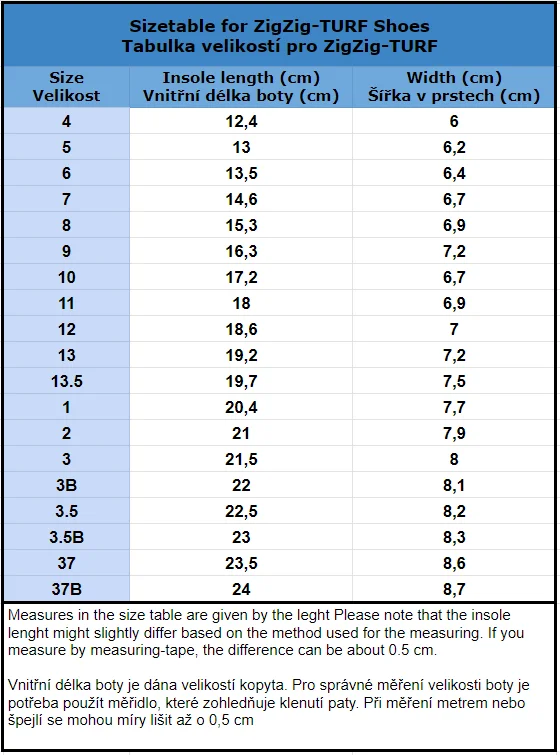
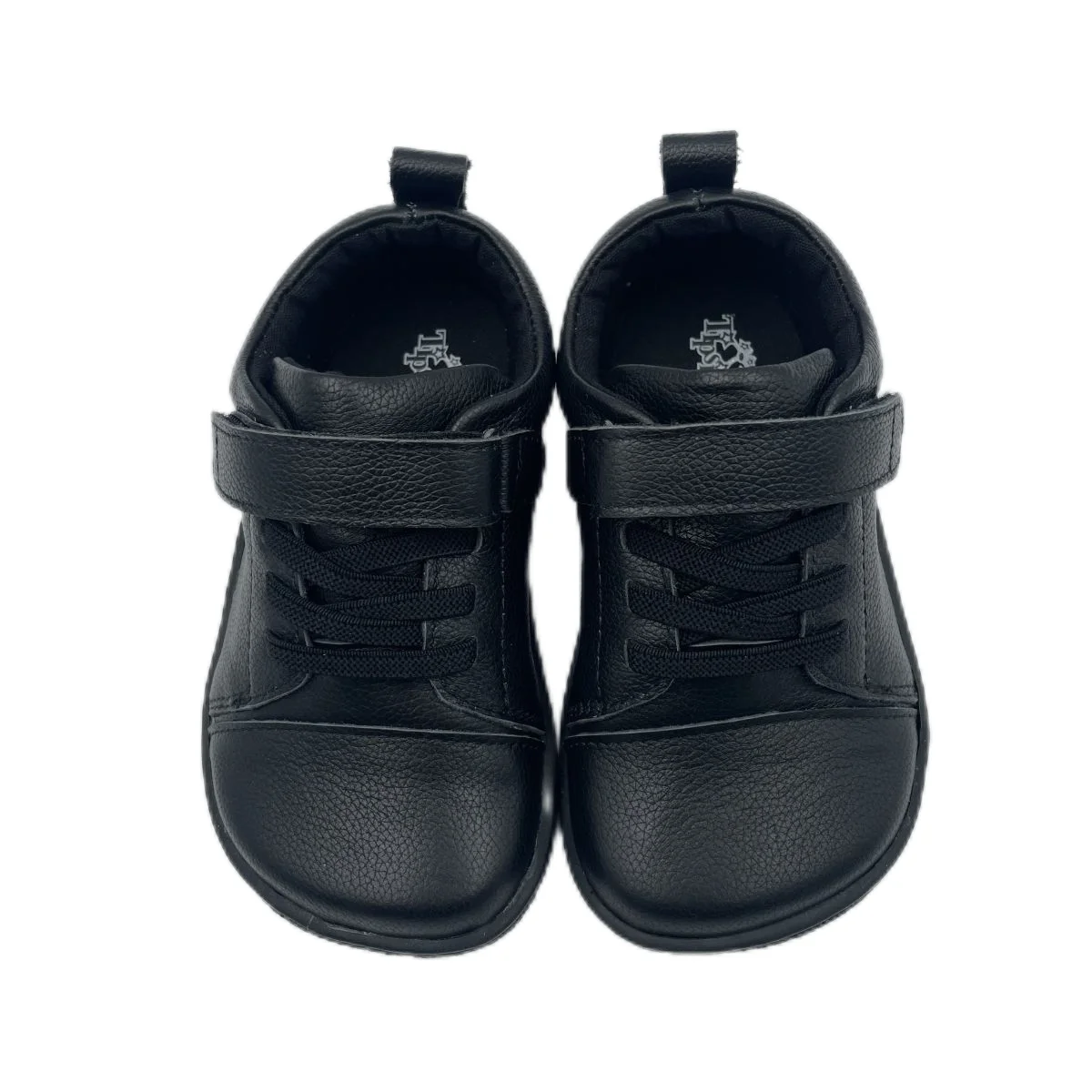


Toddlers grow fast, and so do their feet. But many parents don’t realize how much traditional toddler shoes can restrict natural foot movement. Most mainstream footwear is built with narrow toe boxes that squeeze the toes together, limiting development and causing long-term issues. As toddlers begin to walk and explore the world, giving their feet room to move and grow is critical. That’s where wide toe box shoes come in — designed to match the natural shape of a toddler’s foot, these shoes offer the space and flexibility young feet need for proper development, balance, and comfort.
What Is a Wide Toe Box and Why It Matters
A wide toe box is the front part of a shoe designed with extra space to allow the toes to spread naturally. Unlike standard shoes that taper inward, a wide toe box follows the natural alignment of a toddler’s foot, which is widest at the toes — not the ball of the foot.
This extra space is not just about comfort; it’s about healthy development. When toddlers have room to spread their toes, they develop better balance, coordination, and muscle strength. The wider design reduces unnecessary pressure on growing bones and joints, supporting a natural gait from the start. In contrast, tight or narrow toe boxes can limit toe movement and restrict natural growth, potentially leading to foot problems that last into adulthood.
Wide toe box shoes help toddlers move with more stability and less discomfort — ideal for their active, exploratory stage.
Common Foot Issues Caused by Narrow Shoes
Many toddler shoes are designed more for appearance than function, often with narrow fronts that don’t reflect the real shape of a child’s foot. Over time, this poor fit can cause several issues:
-
Toe Overlap and Misalignment: When toes are squeezed together, they can start to overlap or become misaligned. This can affect walking patterns and balance.
-
Bunions and Pressure Points: While bunions are more common in adults, early pressure on the toe joints from tight shoes can increase the risk of future deformities.
-
Loss of Balance and Coordination: Toddlers are learning to walk and run. Cramped toes can interfere with grip and toe splay, which are essential for balance.
-
Blisters and Red Spots: Tight shoes often rub against the skin, leading to irritation, especially during long wear.
The key is to prevent these problems early by giving toddlers the room they need to move naturally — which is exactly what wide toe box shoes offer.
Key Benefits of Wide Toe Box Shoes for Toddlers
Wide toe box shoes are more than just a comfort upgrade — they support the way toddlers are meant to move and grow. Here are the key advantages:
-
Natural Toe Splay: Toddlers need to spread their toes for balance and grip. A wide toe box allows this movement, helping build strong, stable foot muscles.
-
Improved Balance and Posture: With more space in the front of the shoe, toddlers can plant their feet properly, which improves how they stand and walk.
-
Reduced Risk of Foot Deformities: Shoes that mimic the natural foot shape help prevent issues like hammer toes, bunions, and arch collapse over time.
-
More Comfort During Play and Movement: Toddlers are constantly on the move. Extra space means fewer pressure points, less friction, and happier feet.
-
Supports Long-Term Foot Development: Early shoe choices impact how a child’s foot forms. Wide toe box shoes give developing bones and joints the room they need.
What to Look for in a Good Toddler Shoe with a Wide Toe Box
Not all toddler shoes labeled “wide” offer true foot-friendly design. To make sure you're getting a quality product, look for these key features:
-
True Anatomical Shape: The shoe should mirror the natural shape of a toddler’s foot — widest at the toes, not the ball.
-
Flexible, Thin Sole: Toddlers need to feel the ground to develop proper foot strength and coordination. A flexible sole allows for natural movement.
-
Zero-Drop Design: This means there’s no height difference between the heel and toe, promoting a natural walking posture and encouraging proper balance.
-
Adjustable Closures: Velcro straps or elastic laces make it easier to get the right fit and accommodate chubby or wide feet.
-
Breathable Materials: Soft, breathable uppers (like mesh or leather) keep feet cool and reduce irritation.
-
Secure Heel Fit: While the front should be roomy, the heel must stay snug to prevent slipping and provide stability.
These features work together to ensure a toddler’s foot can grow and function naturally, without being restricted or reshaped by poorly designed shoes.
The Best Wide Toe Box Shoes for Toddlers
If you're shopping for wide toe box shoes, it's important to choose styles that combine proper fit, support, and durability — without sacrificing comfort or function. Here's what to consider when browsing the best options for your toddler:
Everyday Wear
Look for lightweight, breathable shoes with flexible soles and roomy fronts. These are perfect for daycare, indoor play, or walks with the family. Prioritize soft materials and adjustable closures to accommodate fast-growing feet.
Outdoor and Active Play
For more rugged use, like outdoor adventures or playground time, choose shoes with a grippy sole, extra toe protection, and durable construction — all while maintaining a wide toe box. Breathability and flexibility are still key to avoid restricting foot movement.
First Walkers
For toddlers just starting to walk, opt for ultra-light, zero-drop shoes with wide fronts and minimal structure. These mimic barefoot movement while offering just enough protection. Ensure the heel is secure, so they don’t slip off mid-step.
If you're offering these styles in your store, this is a great section to subtly guide parents toward your product range — highlighting how your shoes meet all these criteria. Without overselling, it positions your offerings as a natural solution to their toddler’s needs.
Tips for Measuring and Fitting Toddler Feet
Getting the right fit is just as important as choosing the right shoe style. Here’s how parents can make sure their toddler’s wide toe box shoes truly support healthy development:
1. Measure Feet at Home
Use a ruler or printable foot measuring guide. Have the toddler stand flat on a piece of paper, trace both feet, and measure from heel to the longest toe. Always go by the larger foot when sizing.
2. Check for Width, Not Just Length
Toddlers with chubby or wide feet need room across the forefoot. The shoe’s shape should match the natural outline of the foot — not curve inward at the toes.
3. Use the Thumb Test
Once the shoe is on, make sure there’s about a thumb’s width of space between the longest toe and the end of the shoe. This allows for growth and toe movement.
4. Observe Movement
Let your toddler walk around. The shoe should stay secure at the heel without slipping, while the toes should have space to wiggle freely without hitting the front.
5. Recheck Every Few Months
Toddler feet grow quickly — sometimes a full size every 2–4 months. Regular checks prevent unknowingly tight shoes from causing issues.
These simple steps help ensure the shoes not only fit now but also support the natural growth of your toddler’s feet.
Conclusion
Toddler feet are soft, flexible, and rapidly developing — and they need space to grow naturally. Narrow, restrictive shoes can interfere with that growth, leading to long-term issues with balance, comfort, and foot shape. Wide toe box shoes offer a healthier alternative by allowing the toes to spread, improving stability, and promoting proper muscle and joint development from the very beginning.
When parents choose shoes that reflect the natural shape of their child’s foot — wide at the front, flexible, and supportive — they’re investing in long-term foot health. Whether for first steps or everyday play, a properly designed wide toe box shoe can make all the difference.
If you're looking for toddler footwear that supports growth, movement, and comfort, explore our collection of wide toe box shoes built specifically for developing feet.