


Little Kids Indoor Soccer Shoes
$68.99$89.6923% off
Hurry up! Free shipping on first order
Color: Yellow
Shoe Size: 28
Quantity


SHARE:
Purchase Notes & Size Guide
-
EU sizes are for reference only and may not match standard sizing.
Please select your size based on insole length (cm) for the best fit. -
How to choose the correct size:
-
Measure your foot length
-
Add 0.5–1 cm to get the ideal insole length
-
Example: If your foot length is 23 cm, choose an insole length of 23.5–24 cm
-
-
Measurement tolerance:
Due to different measuring methods, a 0.5 cm difference may occur. This is normal. -
Need help choosing a size?
If you are unsure, please tell us your foot length (cm), and we will recommend the correct size for you.
Size Chart (Insole Length)
-
EU 28 – 18.5 cm
-
EU 29 – 19 cm
-
EU 30 – 19.5 cm
-
EU 31 – 20 cm
-
EU 32 – 20.5 cm
-
EU 33 – 21 cm
-
EU 34 – 21.5 cm
-
EU 35 – 22 cm
-
EU 36 – 22.5 cm
-
EU 37 – 23 cm
-
EU 38 – 23.5 cm
-
EU 39 – 24 cm
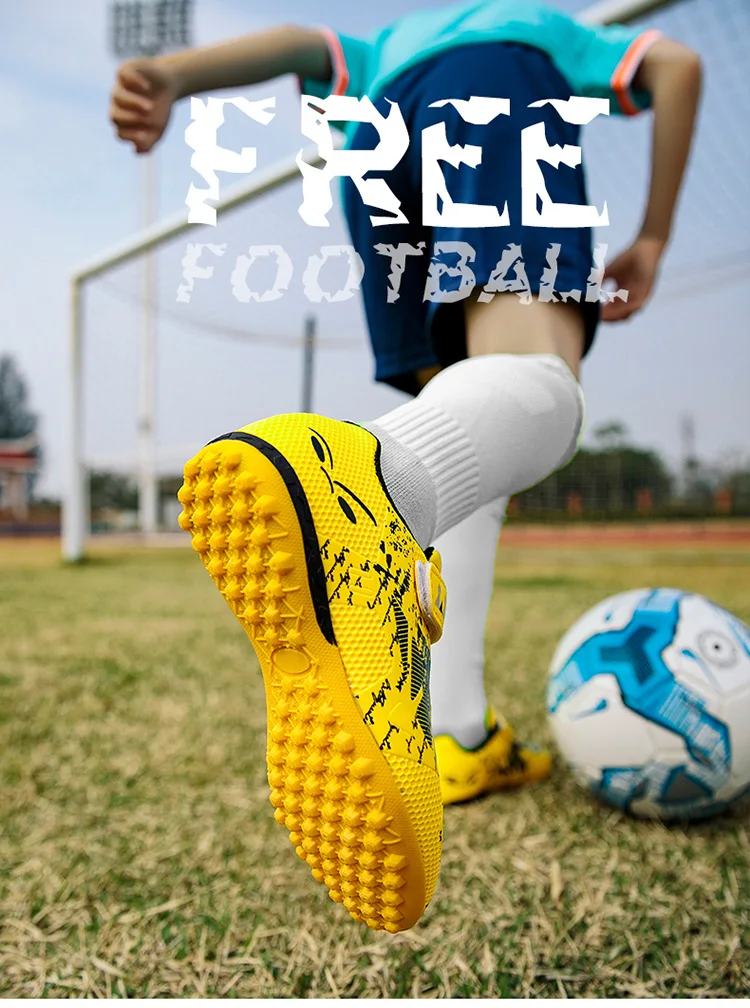
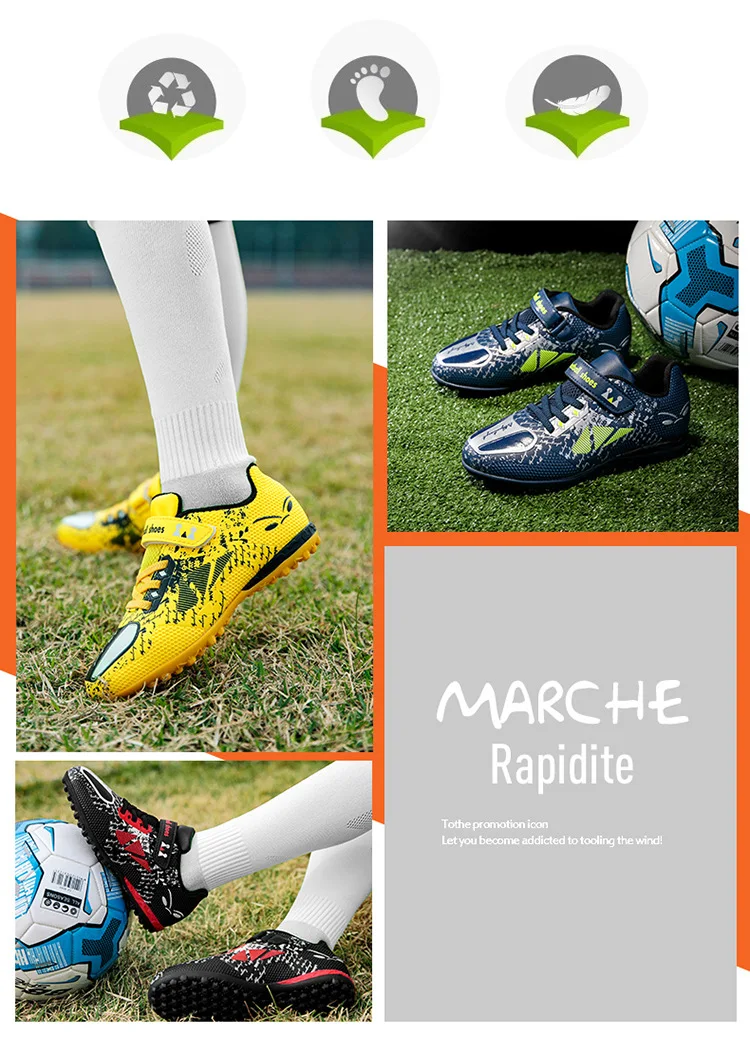
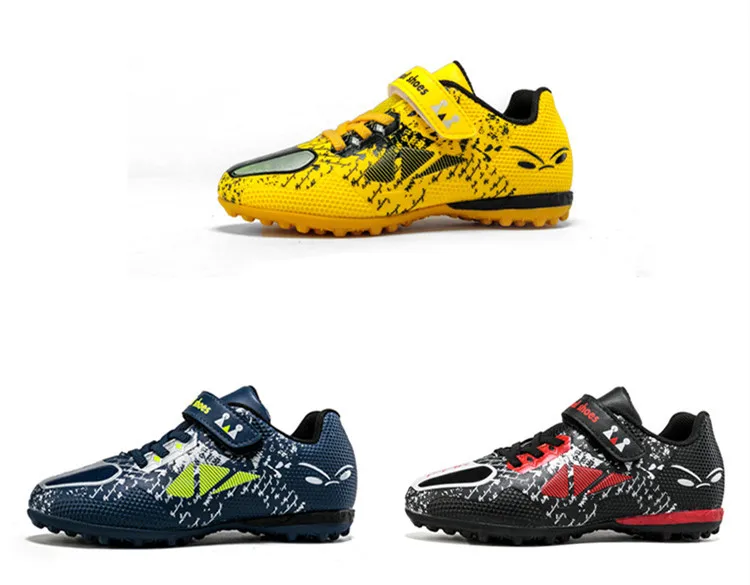
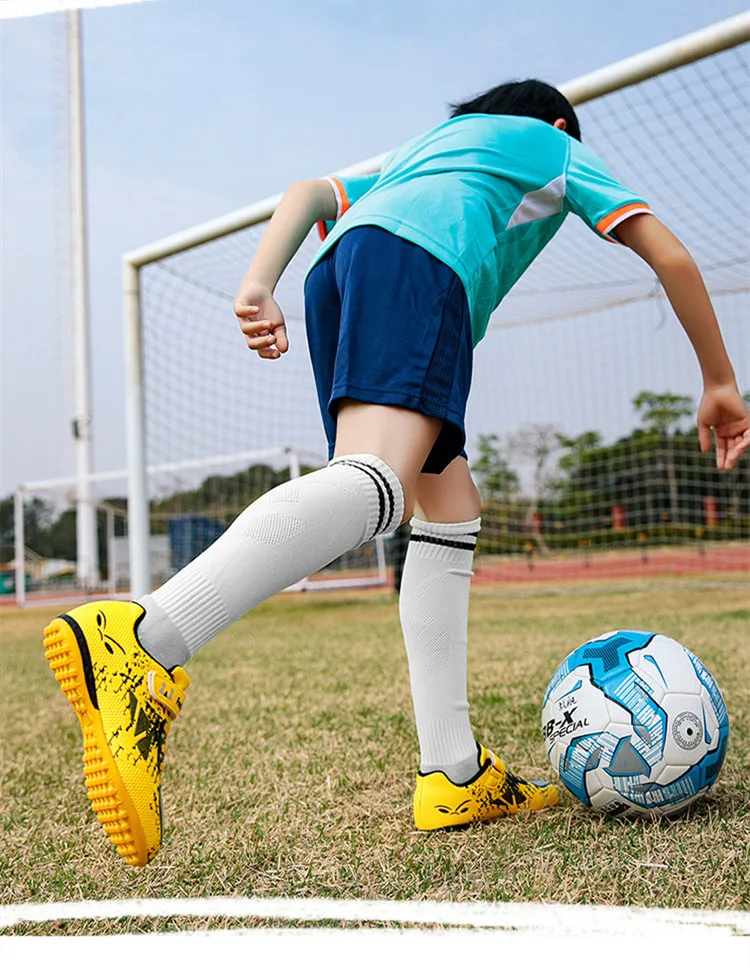
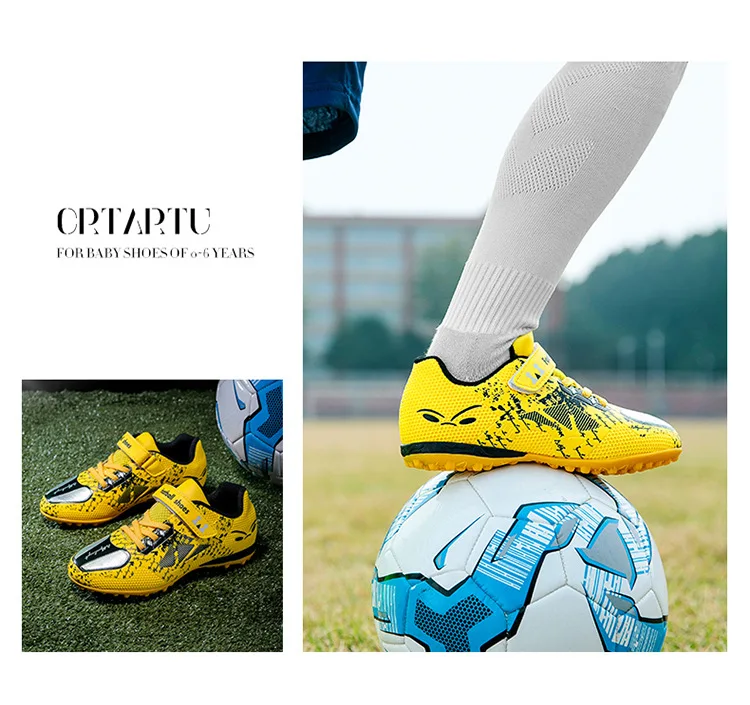
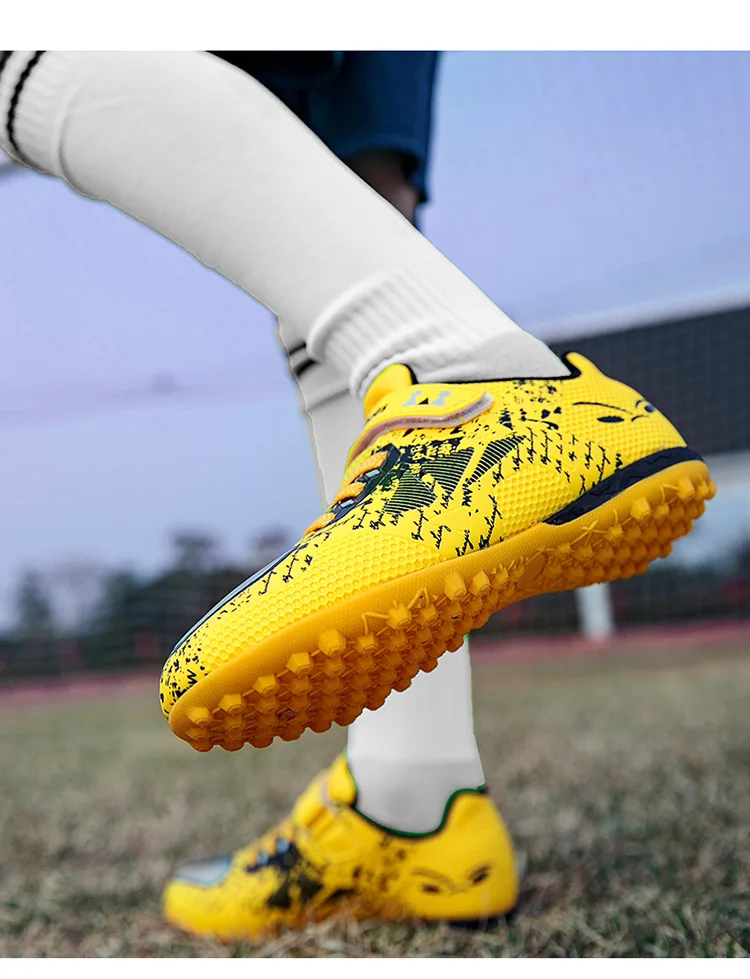
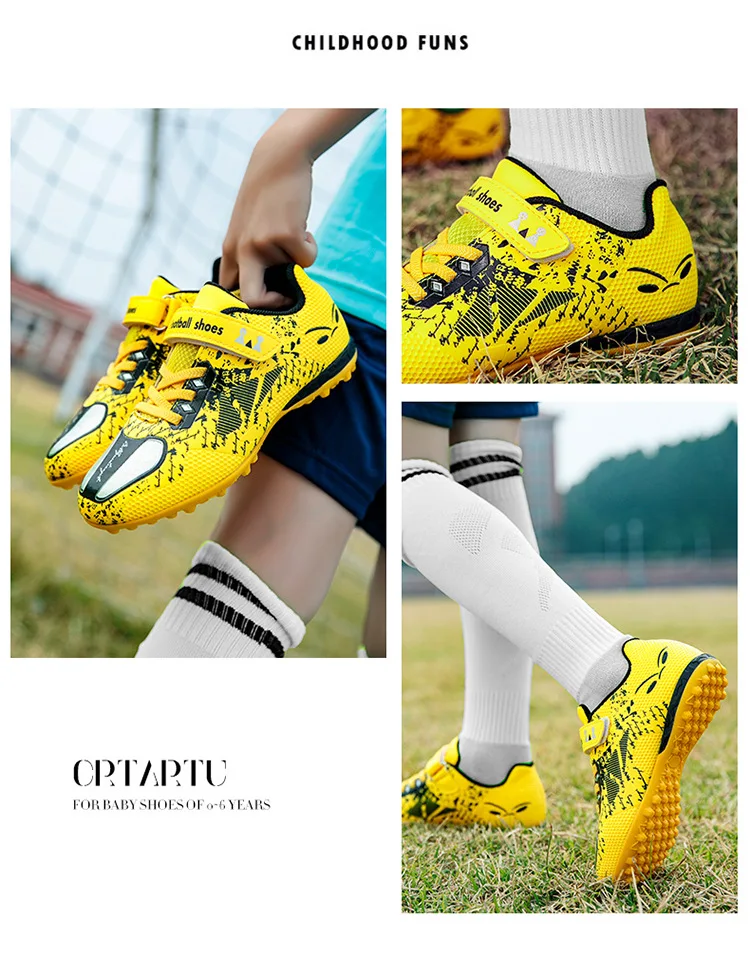
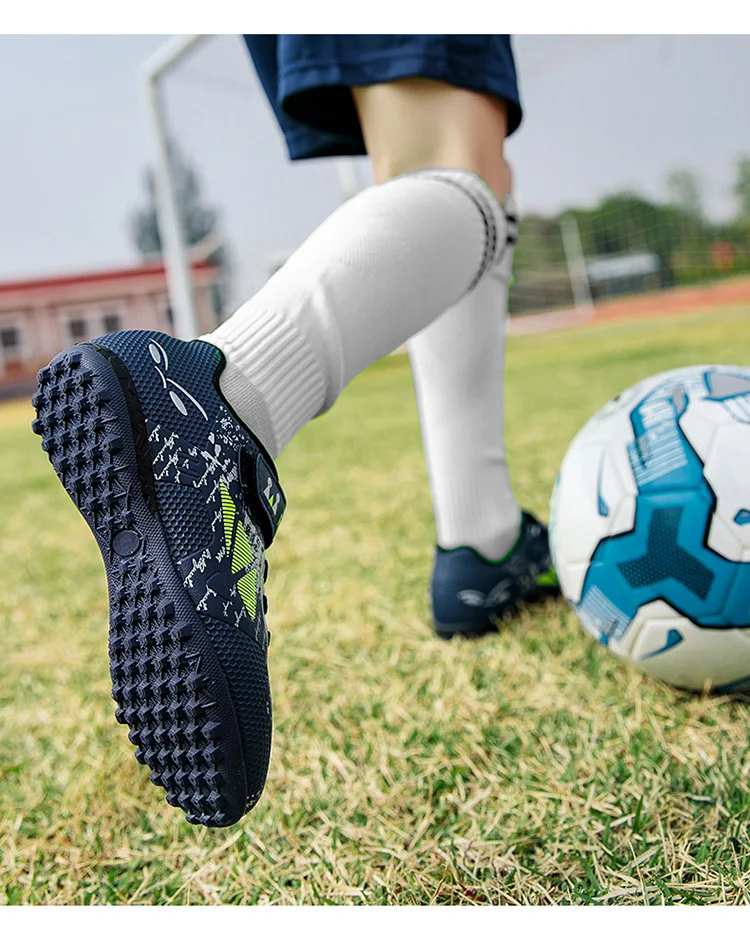

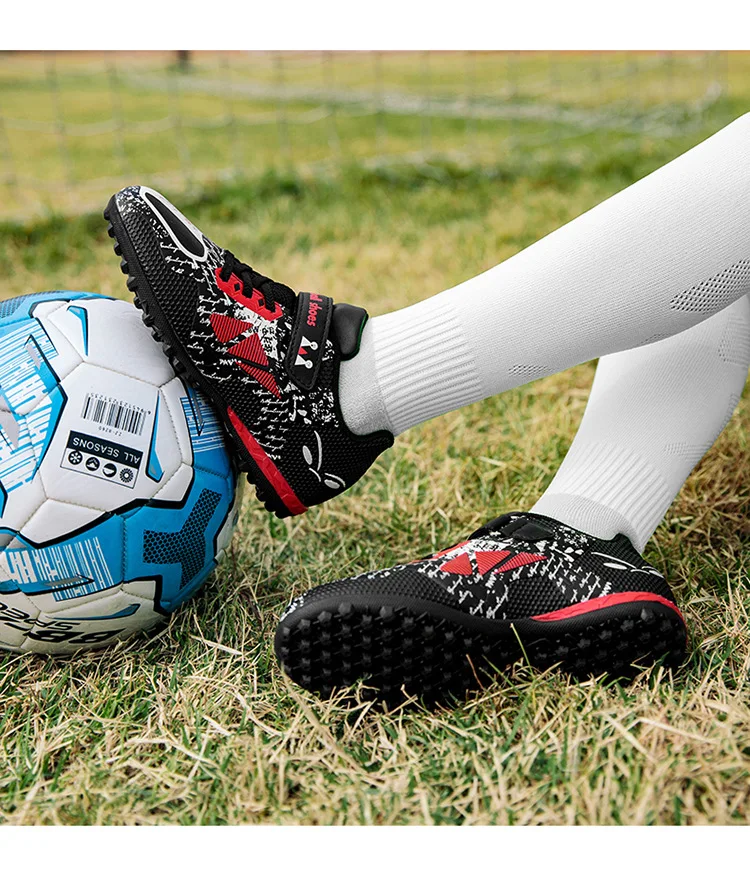
Little Kids Indoor Soccer Shoes
Little kids starting indoor soccer need the right shoes not just for performance but also for safety and comfort. Regular sneakers or outdoor cleats aren’t made for the fast-paced movement and smooth flooring of indoor courts. Without proper footwear, kids risk slipping, discomfort, and even injuries. Choosing the right indoor soccer shoes supports their development, keeps them safe, and helps build confidence on the field. Knowing what to look for can make the difference between a frustrating season and one full of fun and growth.
Understanding Indoor Soccer Shoe Design
Indoor soccer shoes are specially made to suit the fast, controlled gameplay on flat indoor surfaces like gym floors or futsal courts. Unlike outdoor cleats, they don’t have studs. Instead, they feature a flat, grippy rubber sole that helps kids move quickly without slipping.
The outsole is usually made of non-marking rubber, which means it won’t leave scuff marks on the floor. These soles provide solid traction to help with sudden stops, quick turns, and rapid acceleration — all common in indoor soccer.
The upper part of the shoe is often made from synthetic leather, mesh, or soft materials that offer a balance of durability, breathability, and comfort. Many shoes have a low-profile design, giving kids a better feel for the ball and helping improve control and precision in play.
Every element of indoor soccer shoes — from the sole to the shape — is built for speed, stability, and control on indoor courts.
Fit and Comfort
Proper fit is one of the most important factors when choosing indoor soccer shoes for little kids. Children’s feet grow quickly, so it’s essential to find a shoe that offers enough room for growth without being too loose. A snug, supportive fit helps prevent blisters, slipping, and strain during movement.
Look for shoes with a slightly rounded toe box and a flexible upper material. Synthetic or mesh uppers allow the shoe to move naturally with the foot while keeping it cool and comfortable. Padding around the heel and tongue adds comfort and prevents rubbing.
Most kids’ indoor soccer shoes have cushioned insoles and midsoles to reduce impact on hard surfaces. Some also feature shock absorption in the heel area, which helps protect young joints and bones during play.
It’s best to avoid shoes that require a long break-in period. Instead, choose models that feel soft and flexible right out of the box to ensure kids can focus on the game — not sore feet.
Traction and Safety on Indoor Surfaces
Indoor soccer courts are smooth and can become slippery, especially during fast-paced games. That’s why traction is a top priority when choosing shoes for little kids. Indoor soccer shoes are designed with flat, non-marking rubber soles that grip the floor without damaging it.
These soles often feature patterns — like herringbone or circular designs — to enhance traction in all directions. This helps kids stay balanced while making quick cuts, pivots, and sprints.
Shoes that lack proper grip can lead to falls or twisted ankles. For young players still developing balance and coordination, a secure footing is critical. It's also important to make sure the outsole is flexible enough to allow natural movement while still being stable.
Non-marking soles are usually required in indoor facilities, so always check for that label before buying. Good traction and safety features give kids the confidence to move freely and play their best.
Durability and Quality
Little kids can be tough on shoes, especially in high-energy sports like indoor soccer. Choosing a pair made with durable materials helps the shoes last through a full season — or at least until the next growth spurt.
Look for reinforced stitching around the toe area and sides. This is where indoor soccer shoes often face the most wear due to repeated kicking, running, and dragging. Toe caps or extra overlays in the front also add protection and help prevent early breakdown.
The outsole should be made from high-quality rubber that doesn’t wear down too quickly on hard indoor courts. A well-constructed sole will maintain grip and shape even with regular use.
Quality doesn’t always mean expensive, but it does mean well-built. Shoes that hold up over time reduce the need for replacements and keep kids comfortable and supported throughout practices and games.
Age-Appropriate Design
When selecting indoor soccer shoes for little kids, it’s important to choose a design that suits their age and ability. Young children need lightweight shoes that won’t weigh them down or cause fatigue during games. A lighter shoe allows for better mobility and control, especially for kids still developing coordination.
Closures also matter. Many shoes for young children come with Velcro straps instead of traditional laces. Velcro is easier for kids to manage on their own and reduces the risk of tripping over untied laces during play. Some models combine elastic laces with a single Velcro strap to offer a secure but kid-friendly fit.
Another key factor is flexibility. Kids' shoes should bend easily at the forefoot, which helps them move naturally. Stiff shoes can cause discomfort and limit movement on the court.
Lastly, appearance may not affect performance, but fun colors and cool designs can make kids more excited to wear their shoes — and that means fewer struggles getting ready for practice.
Budget and Brand Options
While it’s tempting to go for the cheapest option — especially since kids quickly outgrow shoes — it’s better to balance cost with quality. Indoor soccer shoes for little kids typically range from $30 to $60, though premium models can go higher. In most cases, you don’t need the most expensive pair, but extremely cheap shoes may lack durability, support, or proper traction.
Well-known athletic brands like Adidas, Nike, and PUMA offer reliable indoor soccer shoes designed specifically for young players. These brands usually feature better materials and construction, which can help the shoes last longer and perform better. They also offer different closure types and wide sizing options to match various needs.
For budget-conscious buyers, brands like Vizari, Joma, and Diadora provide good alternatives at lower prices without sacrificing basic features.
It's also a good idea to shop during off-seasons or check for sales, as indoor soccer shoes often go on discount when demand drops.
Conclusion
Choosing the right indoor soccer shoes for little kids isn’t just about style — it’s about safety, comfort, and supporting their early development in the sport. The best shoes offer a secure fit, good traction, and durability to handle the demands of indoor play. Prioritizing features like non-marking soles, flexible materials, and age-appropriate closures ensures your child stays confident and injury-free on the court. Whether you're buying from a trusted brand or a budget-friendly option, focusing on quality and fit will help your young player enjoy the game and perform their best.