


Shoes For Autistic Kids
$83.99$109.1923% off
Hurry up! Free shipping on first order
Color: black
Shoe Size: 28
Quantity


SHARE:

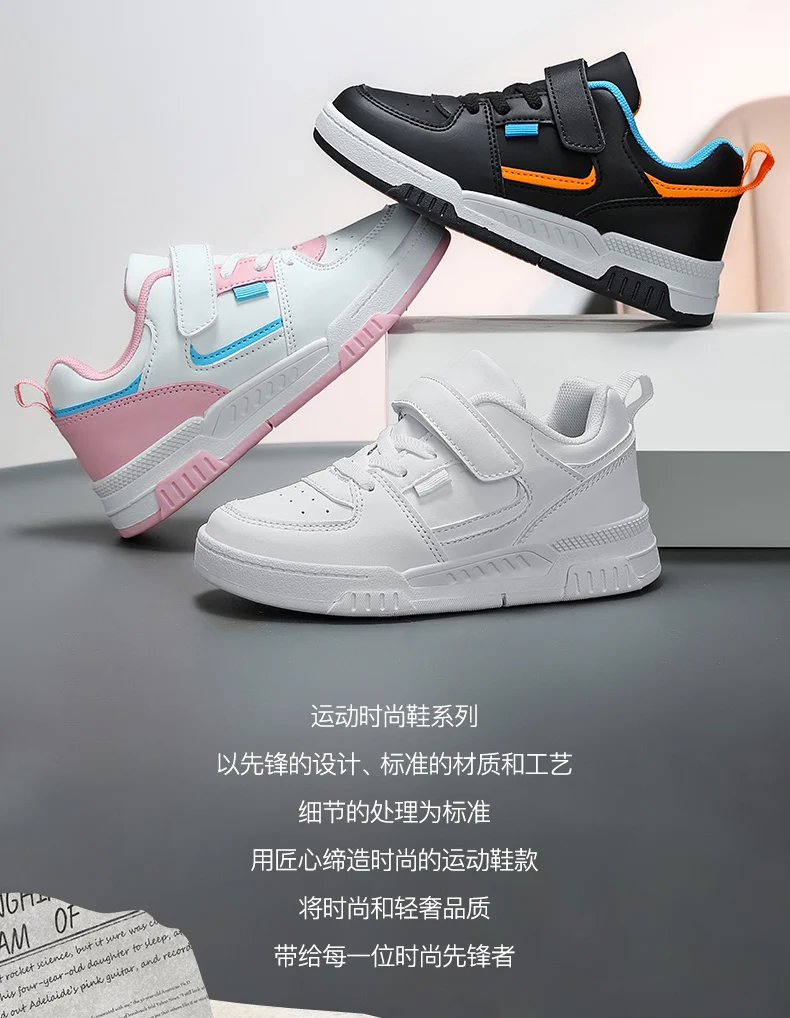
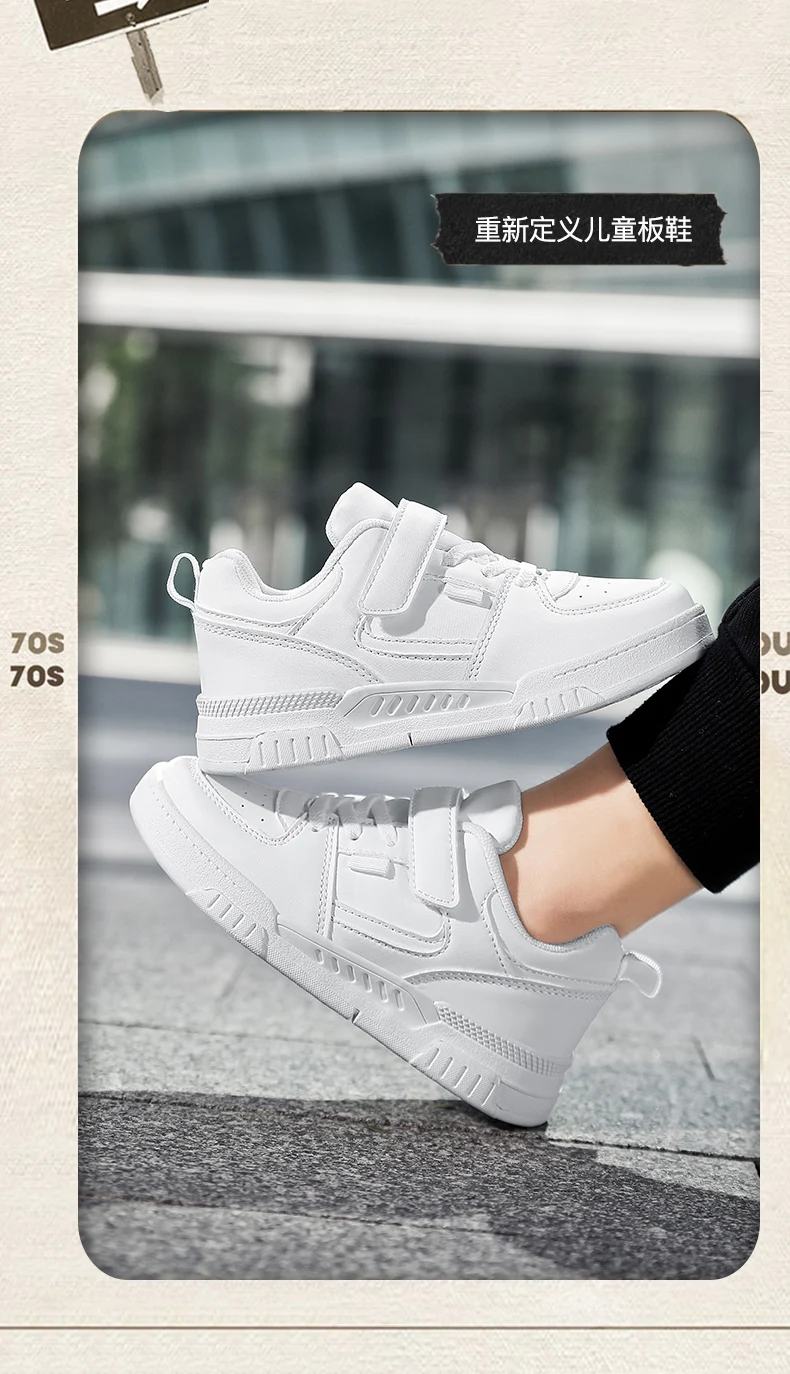
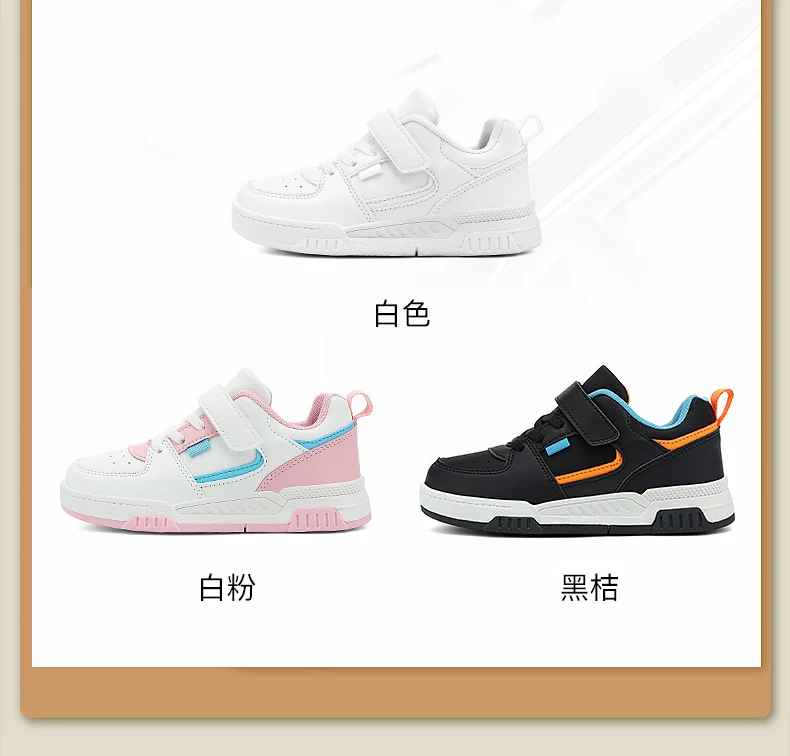



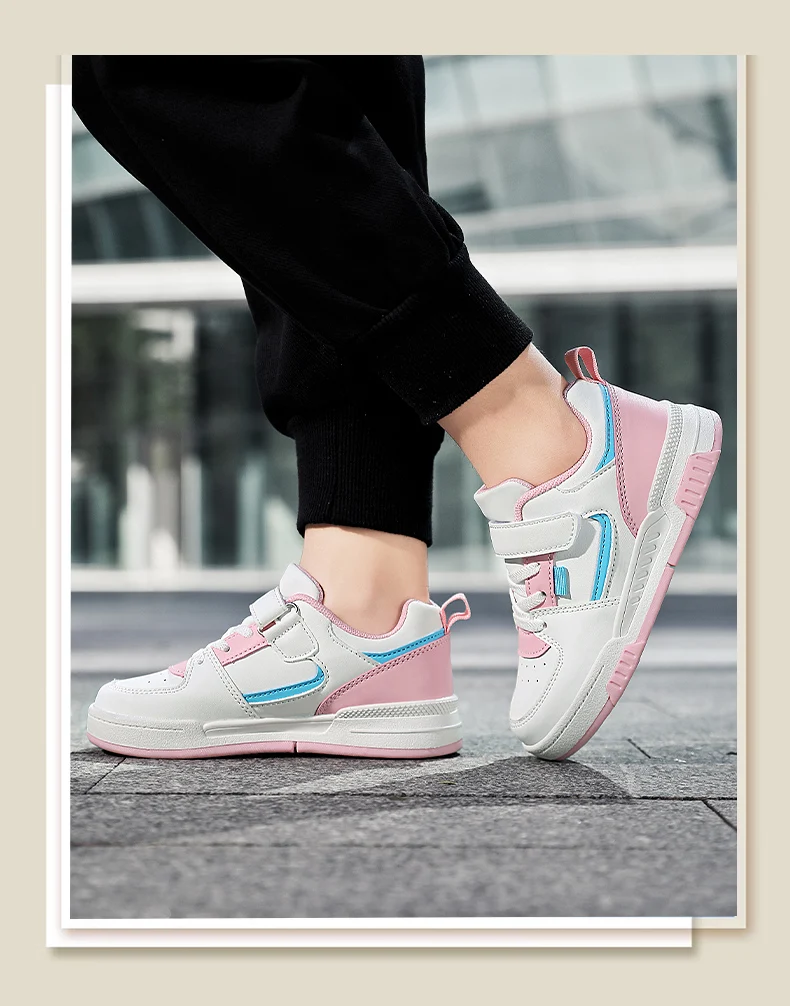
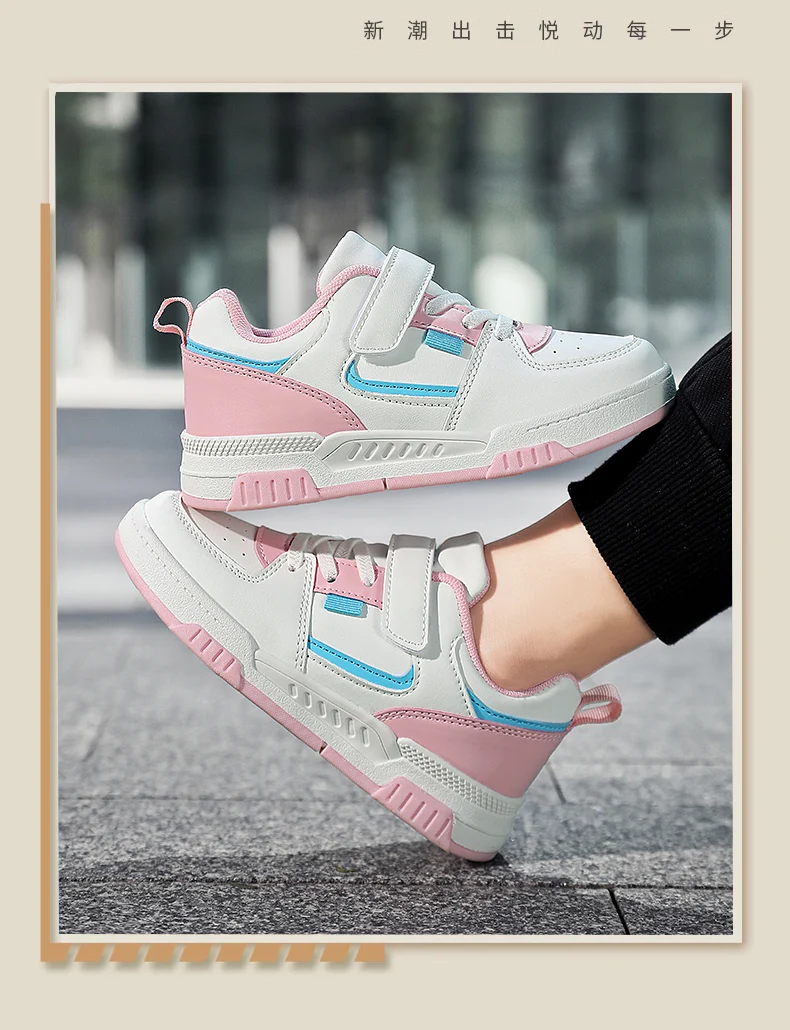
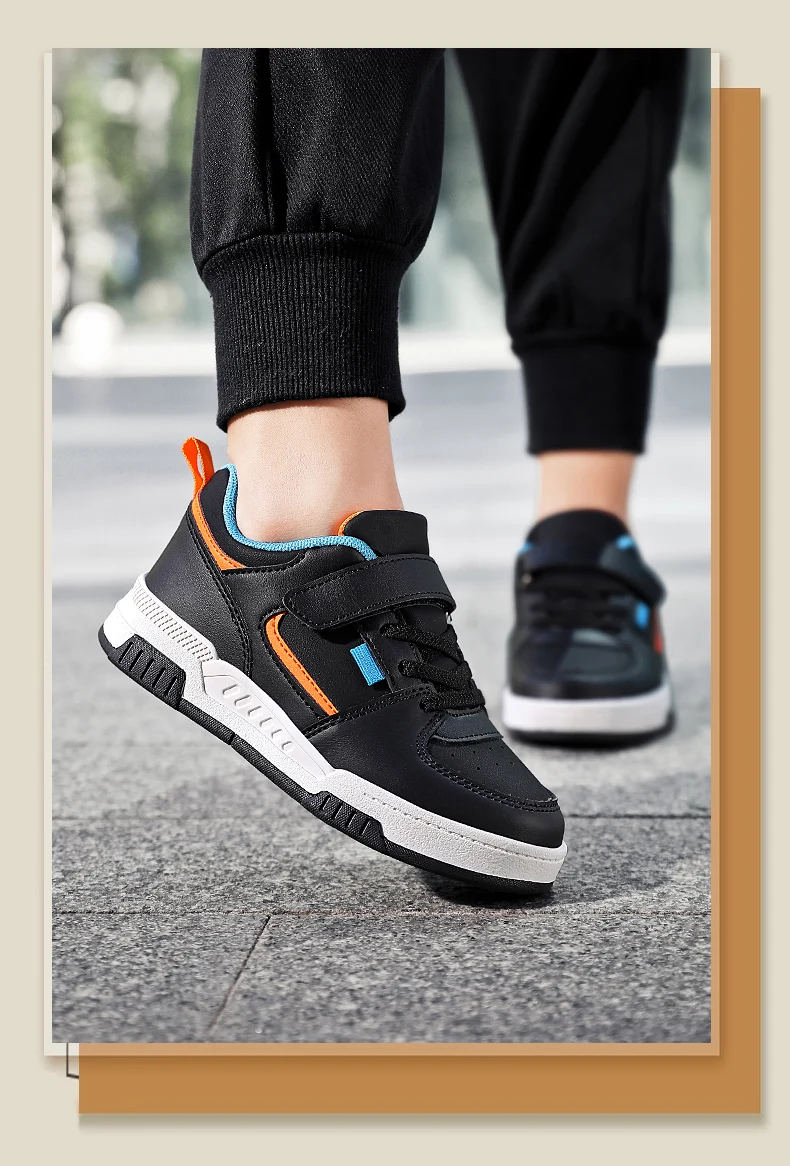
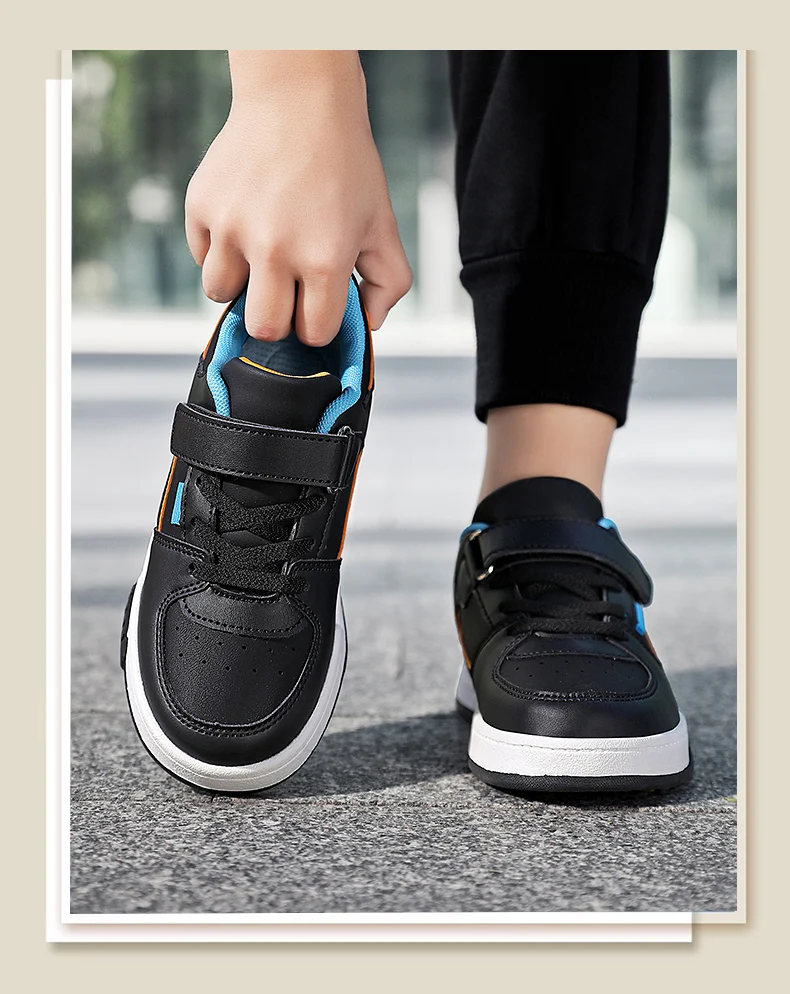
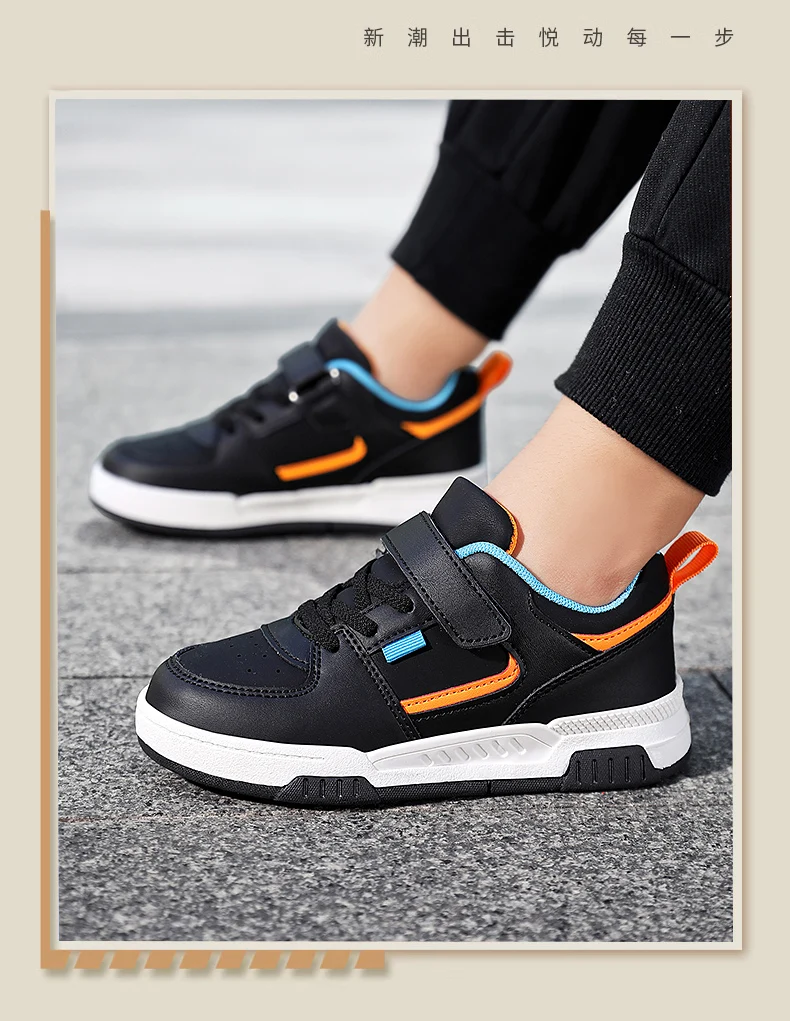
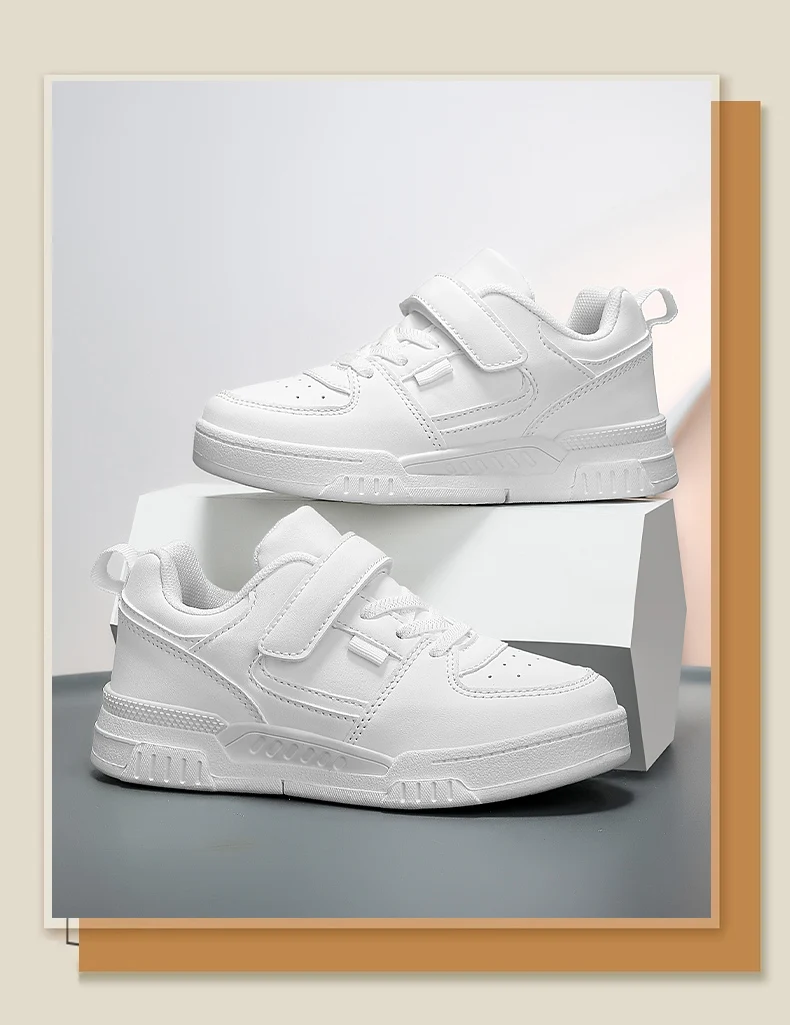
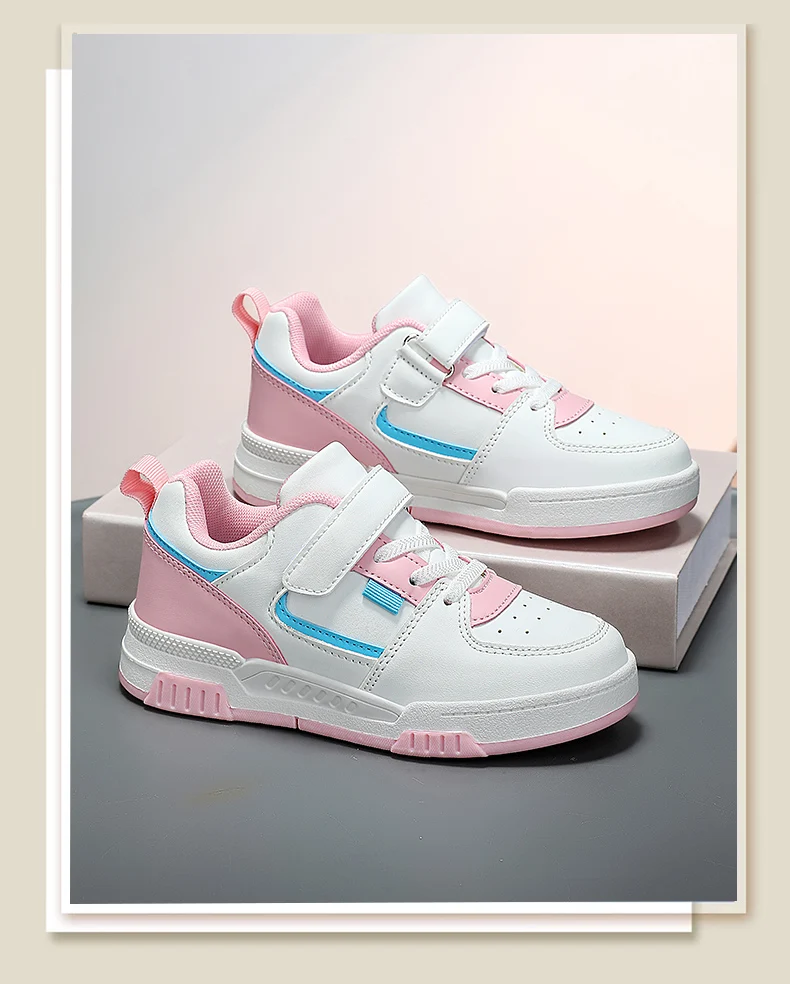
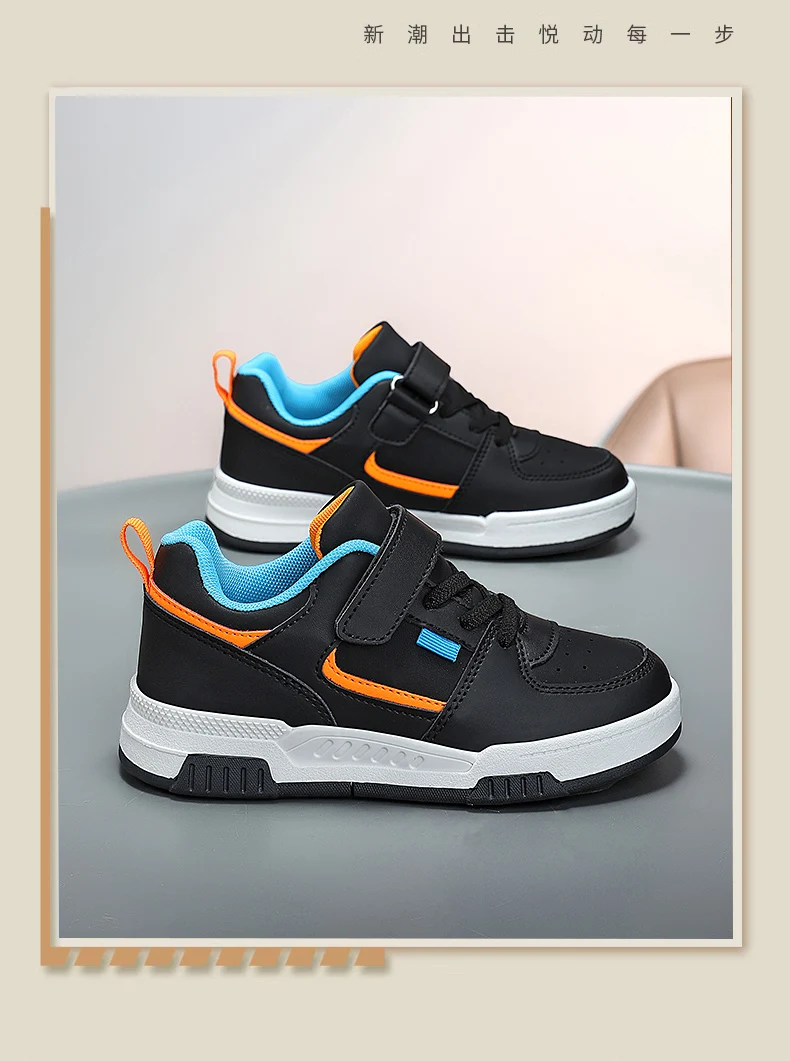
Shoes For Autistic Kids
Choosing shoes for autistic children isn't just about size or style — it's about ensuring comfort, reducing sensory triggers, and supporting independence. Many children on the autism spectrum experience heightened sensitivity to touch, texture, and pressure, which makes footwear a critical factor in their daily comfort and well-being.
For parents of kids aged 7 to 13, understanding what features to prioritize can make shoe shopping less stressful and more successful. From closure types to materials and fit, the right shoes can make a significant difference in a child’s ability to move confidently and comfortably.
Understanding Sensory Needs in Autistic Kids
Many autistic children have sensory processing differences that make them more sensitive to certain textures, pressures, and physical sensations. This means that even something as simple as a seam inside a shoe or a stiff material can cause significant discomfort or distress.
For kids aged 7 to 13, this discomfort might not always be easy to express in words — instead, they might avoid wearing certain shoes, pull at them constantly, or refuse to wear them altogether. That’s why choosing shoes with minimal internal seams, soft linings, and flexible uppers is essential.
The goal is to reduce irritation and allow the child to focus on school, play, and social activities without being distracted or overwhelmed by uncomfortable footwear. Sensory-friendly shoes should feel light, non-restrictive, and secure without being tight or stiff.
Key Features to Look for in Shoes for Autistic Children
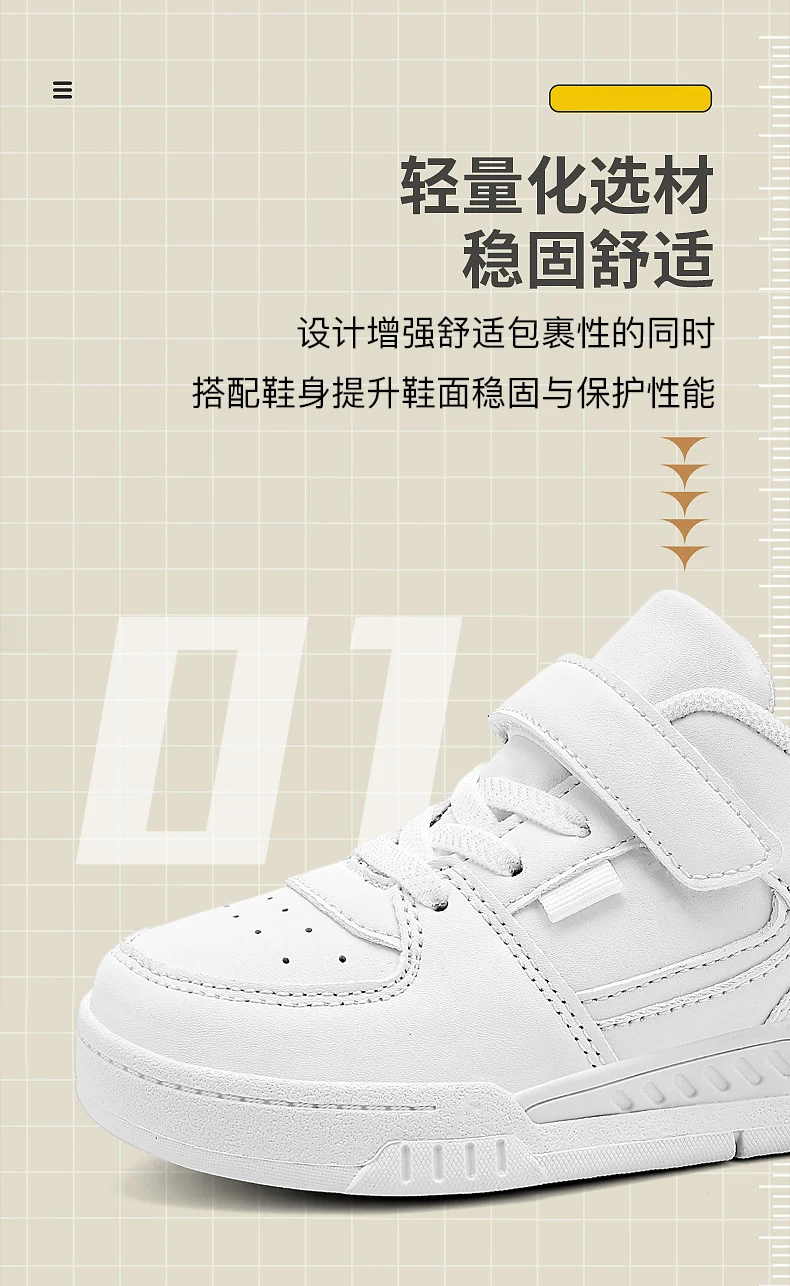
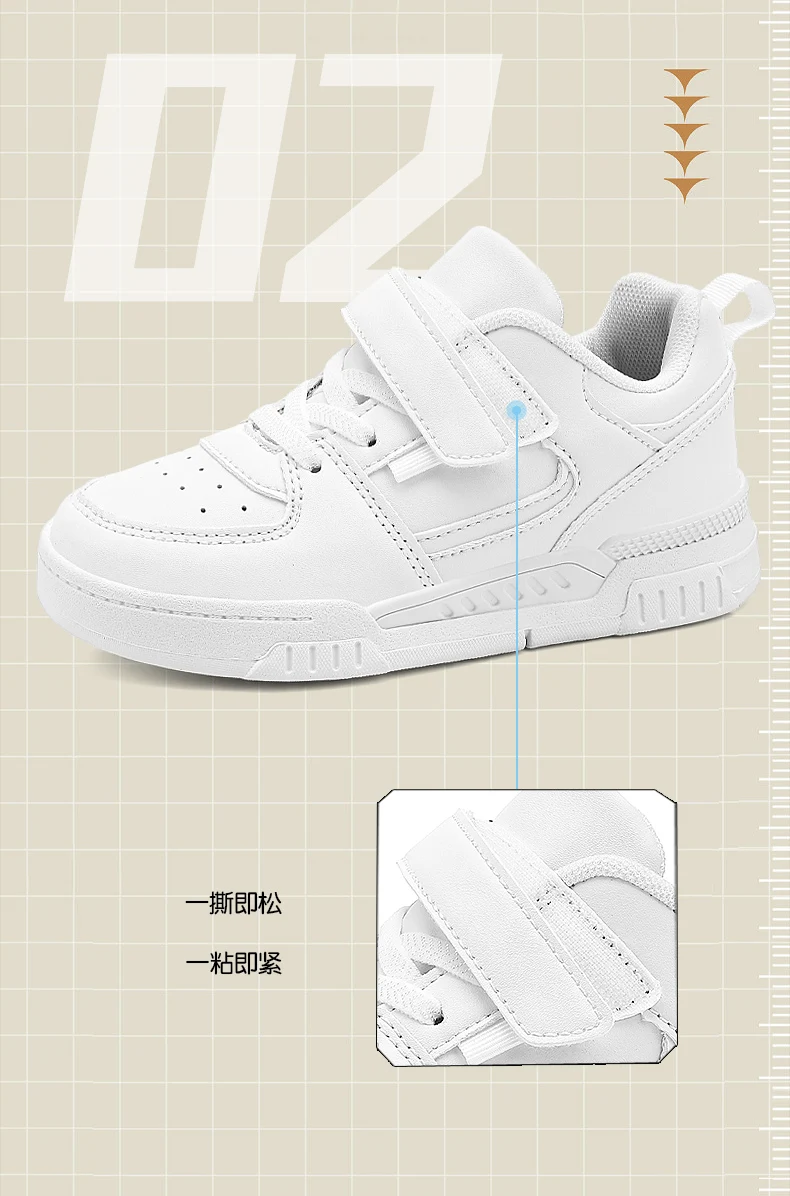
Hook & Loop Closures (Velcro)
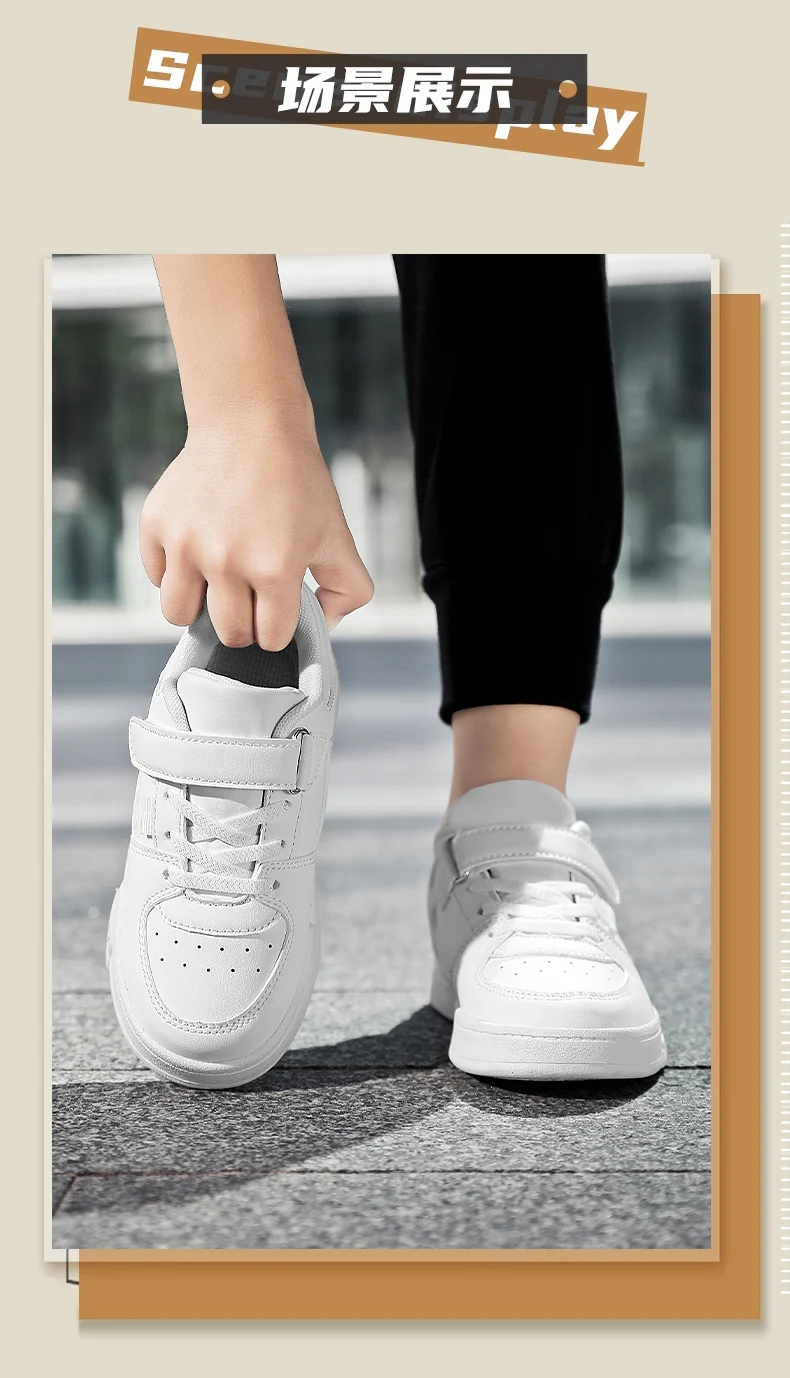
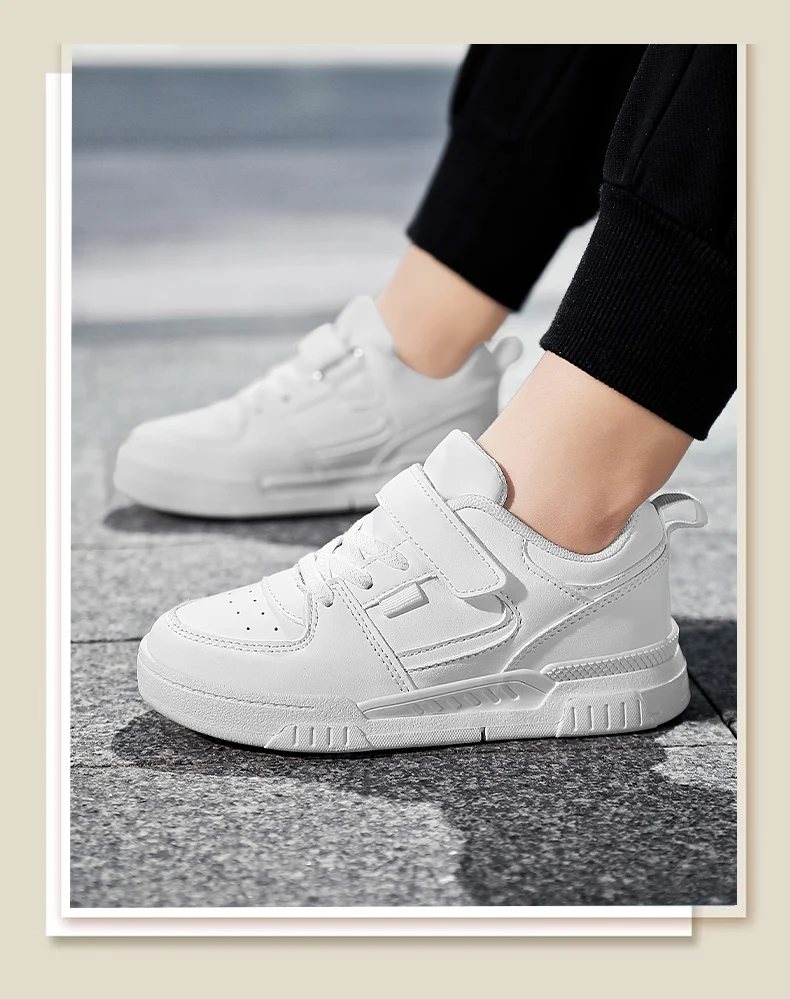
Velcro closures make shoes easy to put on and take off without needing help. This encourages independence and eliminates the struggle of tying laces, which can be frustrating for many children.
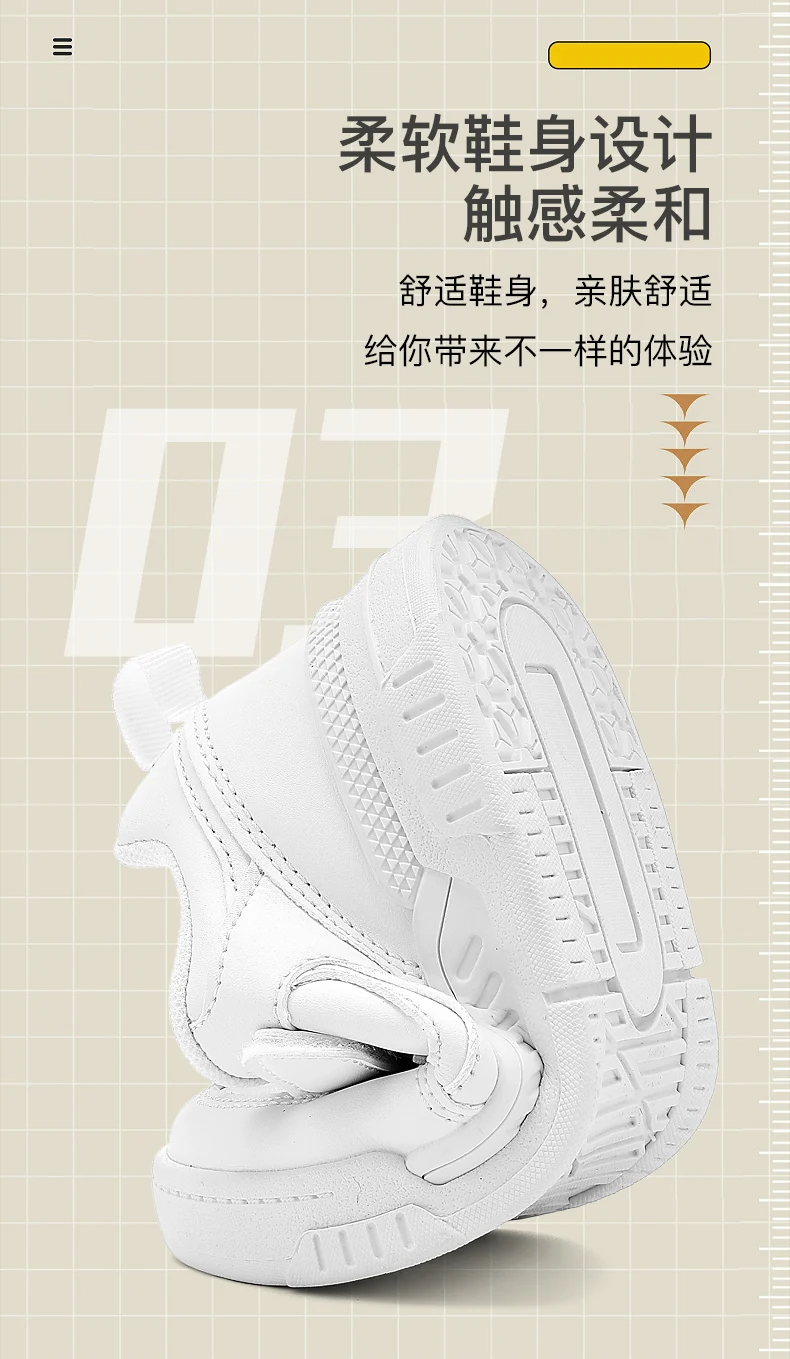
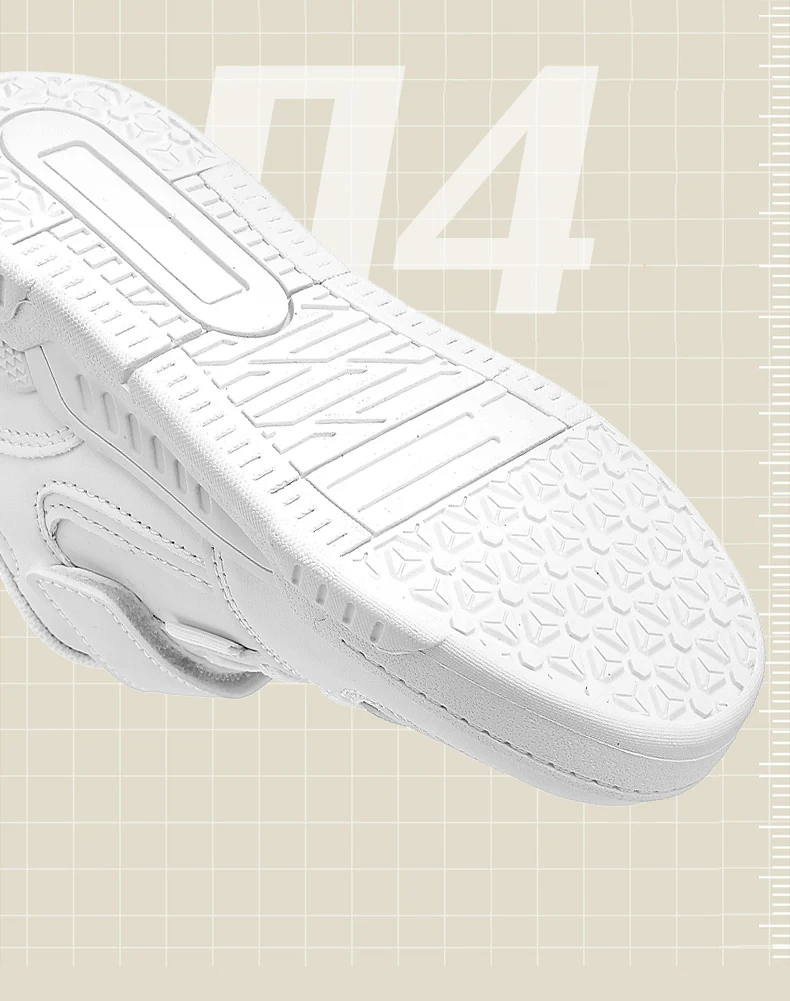
Anti-Slip Soles
Shoes with textured, non-slip outsoles (such as TPR soles) help prevent slipping, especially on smooth or wet surfaces. This adds an important layer of safety for active kids who may not always be aware of hazards underfoot.
Breathable Linings
Mesh linings improve airflow, reducing overheating and moisture buildup. This helps keep feet cool and dry, which is important for children who are sensitive to temperature changes or sweat.
Lightweight, Flexible Construction
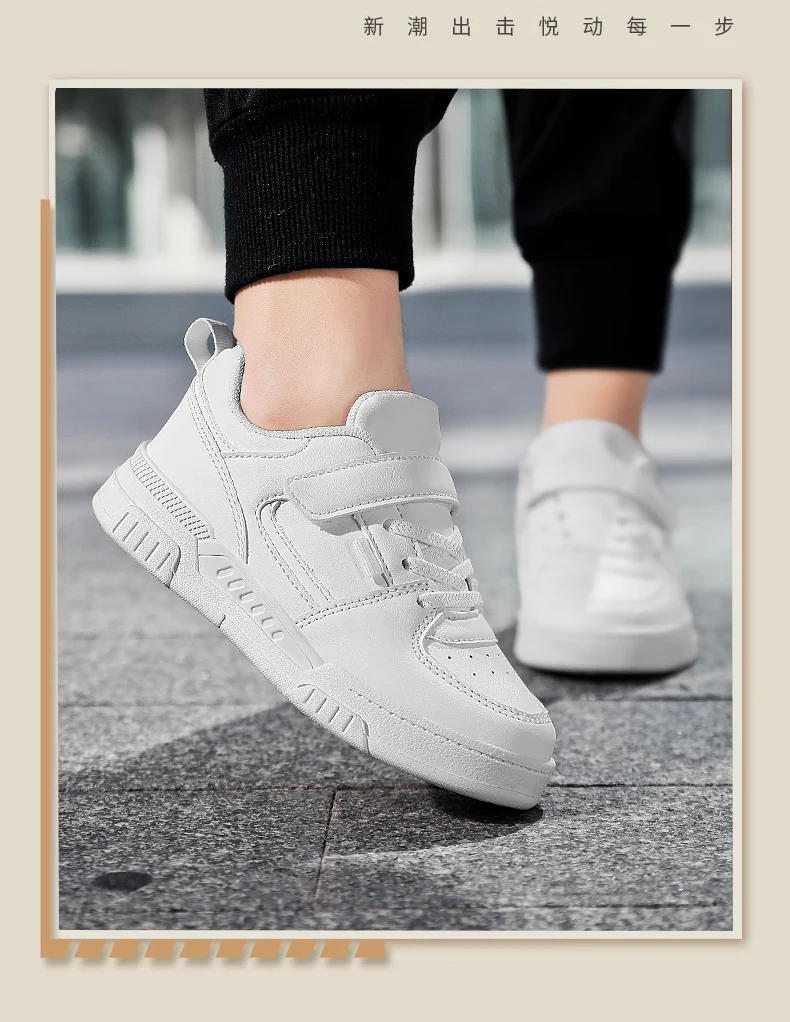
Shoes that are lightweight and bend easily move better with the foot, allowing natural motion. A flexible structure is less likely to cause discomfort or pressure points, while still offering enough support for daily activity.
True-to-Size Fit
A proper fit is key. Shoes that are too tight can cause discomfort or pressure sensitivity, while shoes that are too loose may cause instability. Always check sizing guides and look for shoes that stay secure without squeezing.
Fit and Function Over Fashion
Proper Fit Supports Movement
A snug but comfortable fit gives children the stability they need for daily activities. Shoes that are too tight may increase sensitivity or even lead to refusal to wear them. On the other hand, loose shoes can cause tripping or discomfort due to shifting during movement.
Avoid Rigid or High-Cut Shoes
High-top shoes or rigid styles may seem supportive but can feel too restrictive for kids with tactile sensitivities. Shoes that do not go above the ankle allow for more freedom of movement and less irritation around sensitive areas.
Room to Move, But Not Too Much
The ideal fit gives some toe wiggle room while keeping the heel secure. This balance allows children to stay comfortable throughout the day — from school to outdoor play — without needing to adjust their shoes constantly.
Material Matters: What to Choose and Avoid
PU Leather Uppers
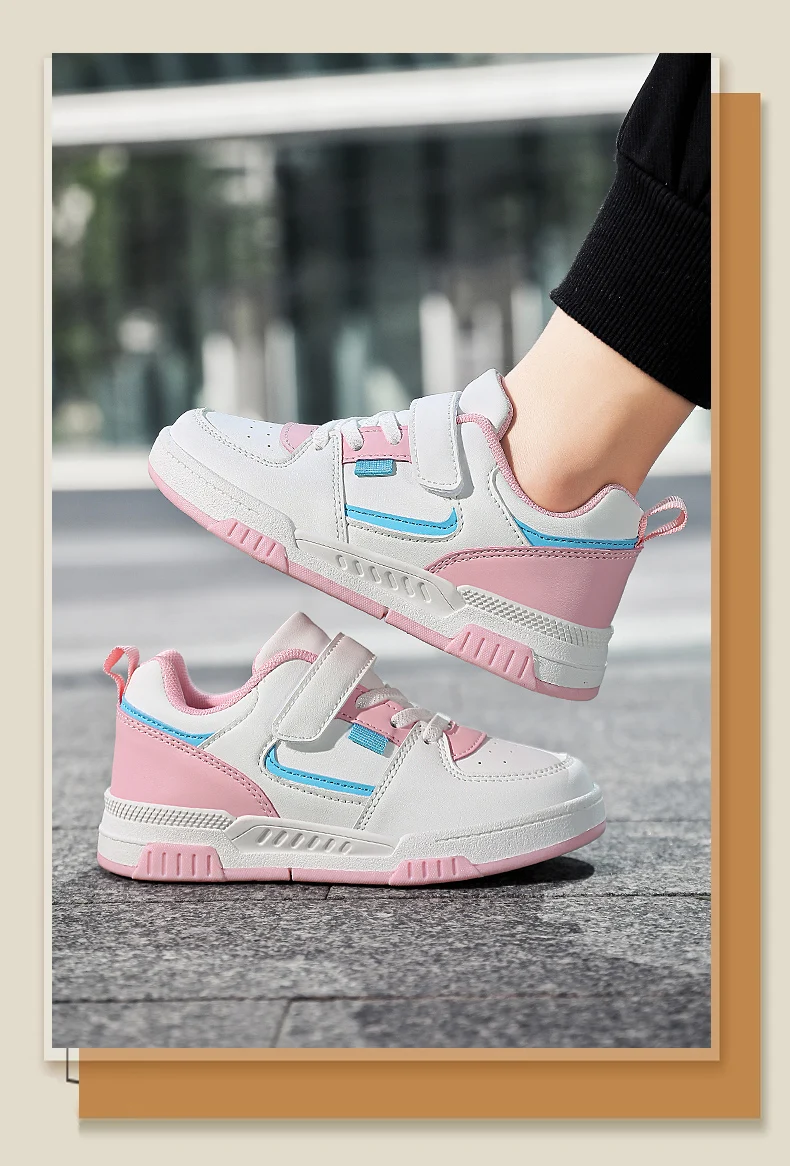
PU (polyurethane) leather offers a smooth, soft surface that doesn’t irritate the skin. It's flexible enough to adapt to foot movement but structured enough to provide support. It’s also durable and easy to wipe clean, which is helpful for everyday use.
EVA Insoles
EVA (ethylene-vinyl acetate) is a lightweight and cushioned insole material. It absorbs impact, reduces foot fatigue, and provides a soft base — all important for children who may be more sensitive to hard surfaces.
Mesh Lining
Shoes with mesh lining promote breathability. This is especially useful for year-round wear, keeping feet cool in warm weather and reducing sweat build-up, which can be a source of irritation.
Avoid Hard Seams and Stiff Fabrics
Seams that press into the foot or stiff materials that don’t move with the foot can trigger discomfort or sensory overload. Stick to smooth interiors and flexible outer materials whenever possible.
Ease of Use for Parents and Kids
Easy-On, Easy-Off Design
Hook & loop (Velcro) closures make shoes quick to fasten and adjust. This allows kids to practice putting on their own shoes, which builds confidence and independence. For parents, it also means less time spent tying laces or fixing fit issues.
Low-Maintenance Materials
Shoes made with wipe-clean materials like PU leather and mesh linings reduce the effort needed for cleaning. This is especially helpful for kids who play outdoors or are prone to spills, keeping shoes looking fresh with minimal upkeep.
Design That Encourages Independence
Kids between 7 and 13 are learning to do more on their own. Shoes that are simple to put on correctly — and feel good from the first wear — help support those steps toward independence, especially for autistic children who thrive with predictability and ease.
Conclusion
For autistic children, shoes are more than just part of an outfit — they’re a daily tool for comfort, confidence, and mobility. Parents should look for sensory-friendly features like smooth linings, cushioned insoles, and hook & loop closures that make life easier for both child and caregiver. Materials like PU leather, EVA, and breathable mesh strike the right balance between structure and softness. With the right fit and functional design, shoes can support your child’s development and reduce daily stress — one comfortable step at a time.