


5 Pairs Non Slip Socks For Toddlers
$14.99$19.4923% off
Hurry up! Free shipping on first order
Size: S 0-1Y 9-11cm
Quantity


SHARE:
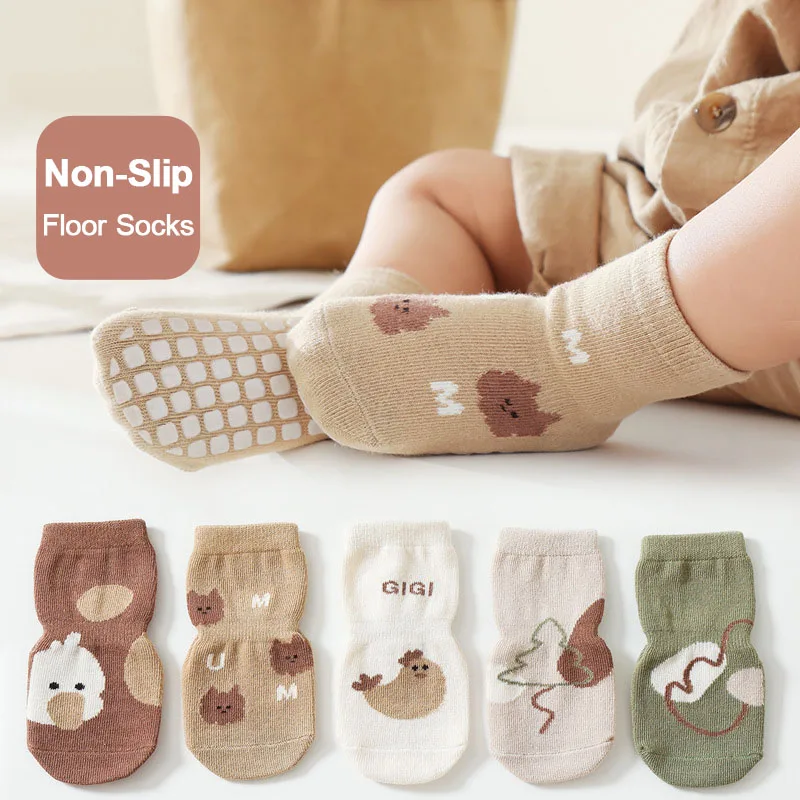
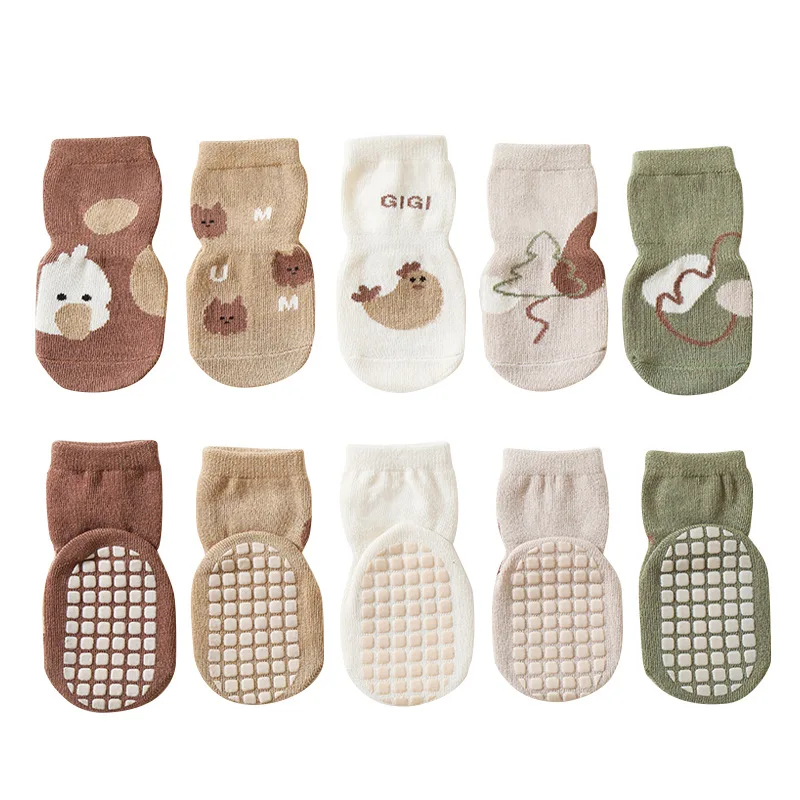
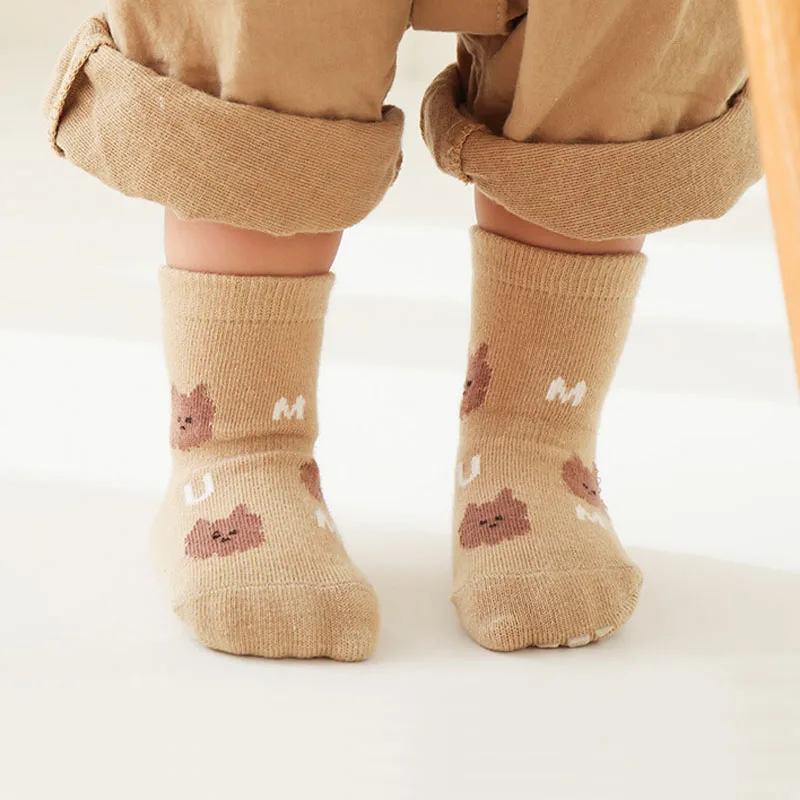
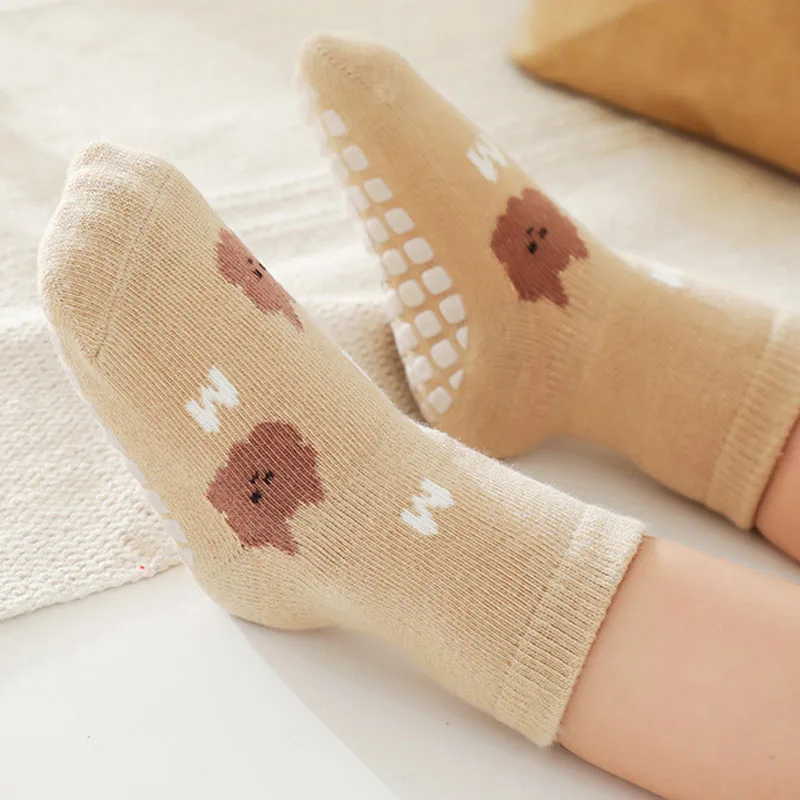
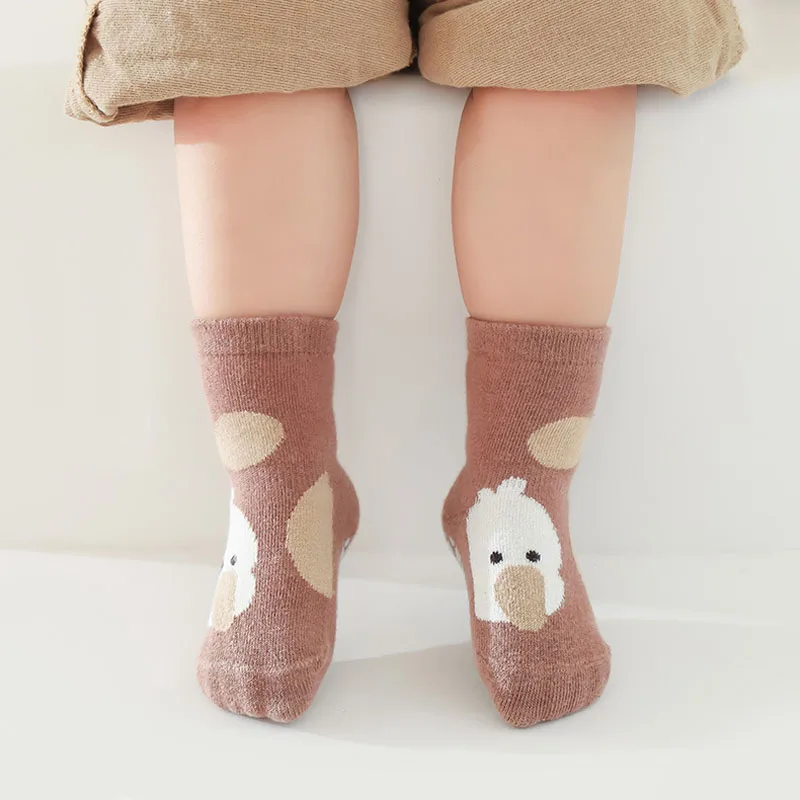
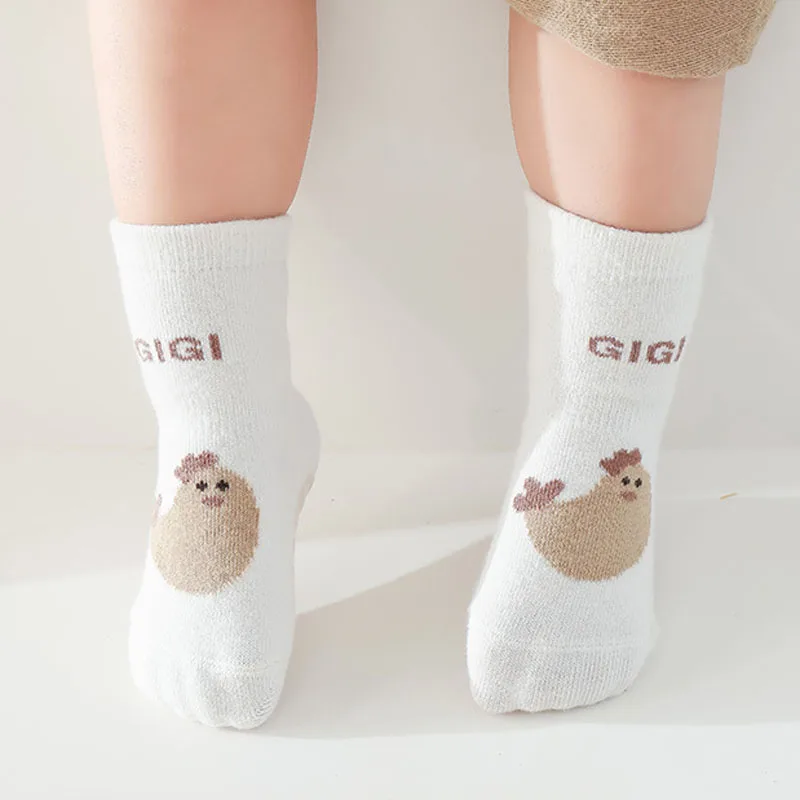
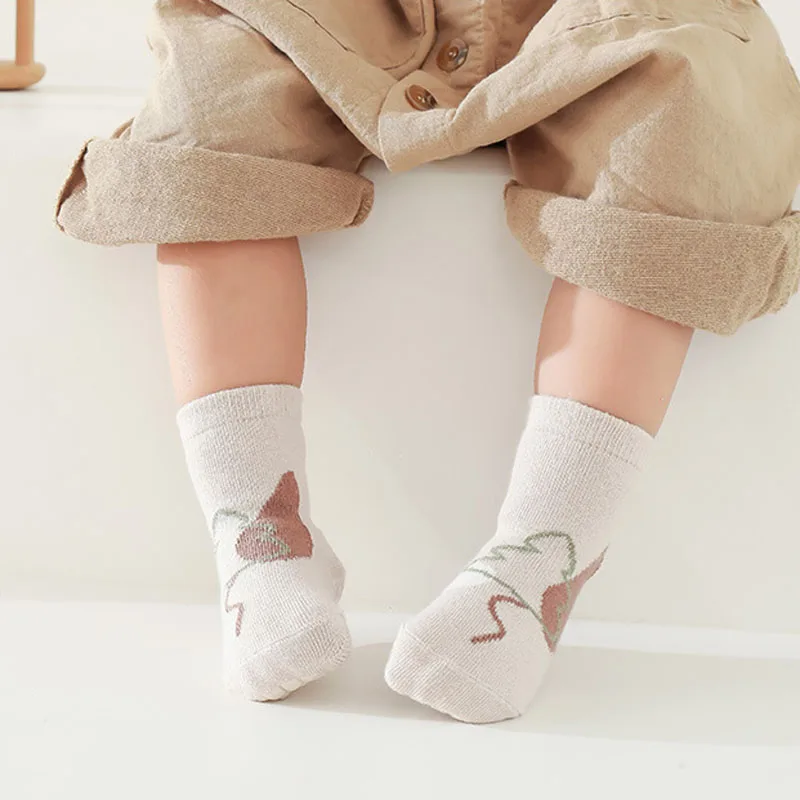
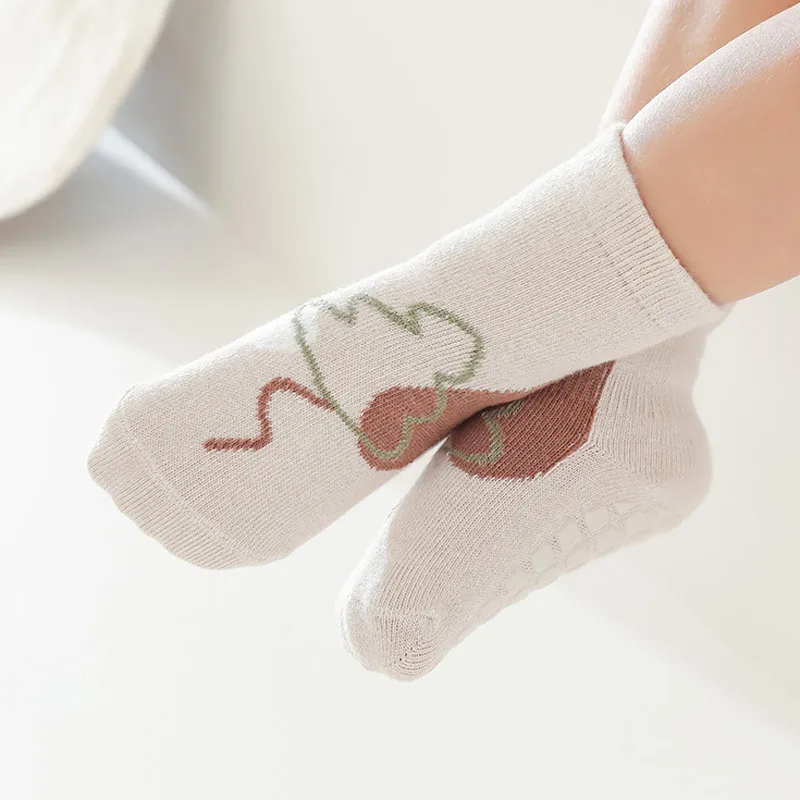
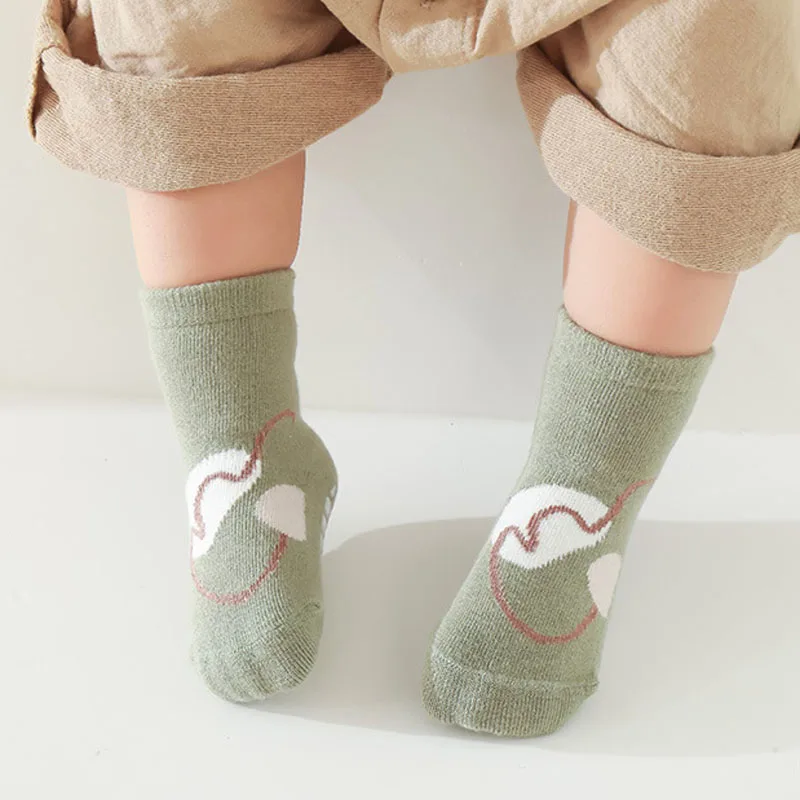
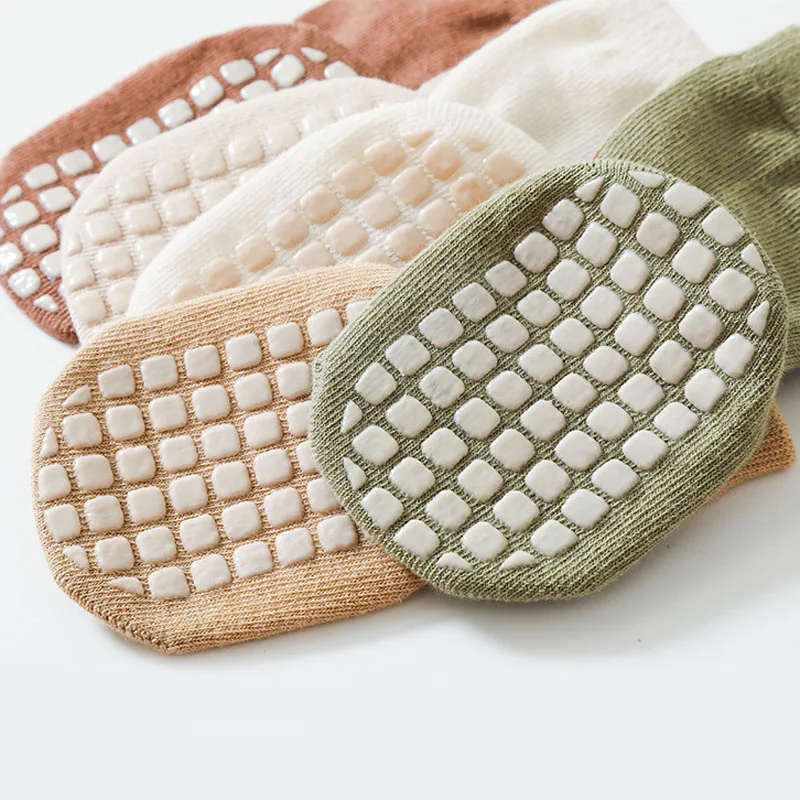
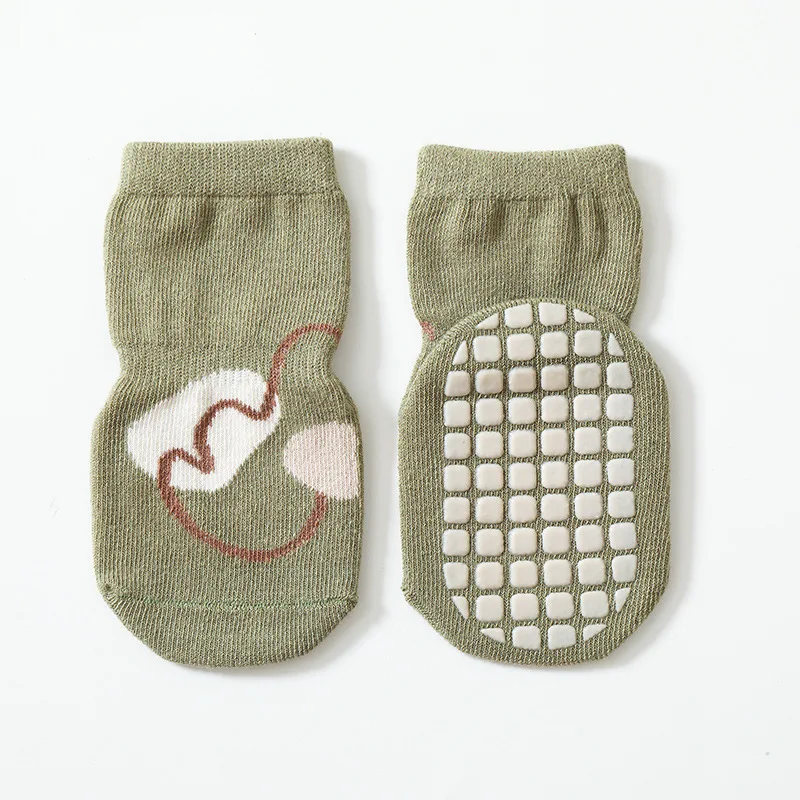
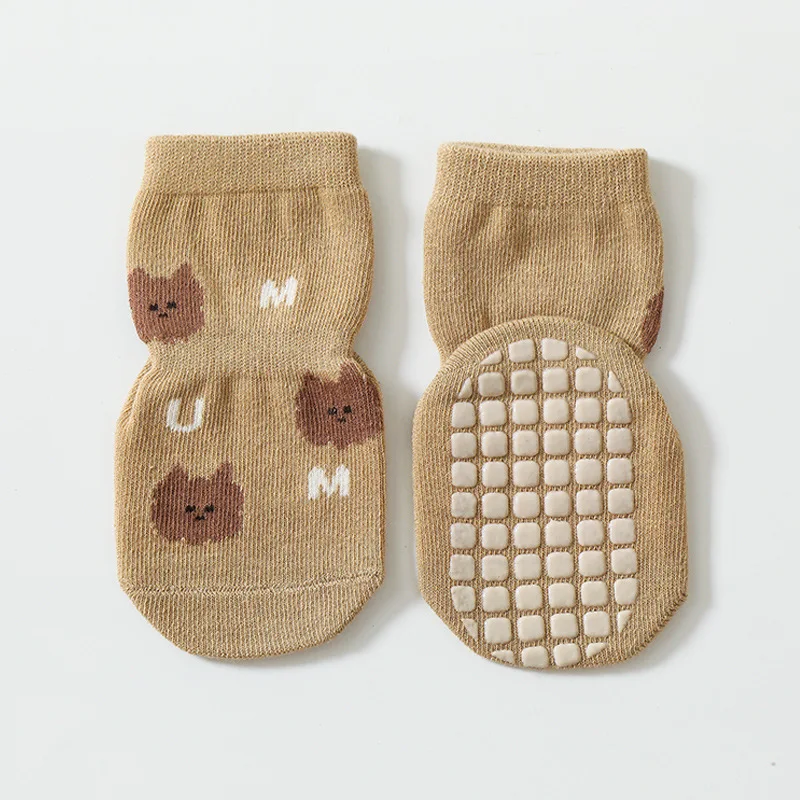
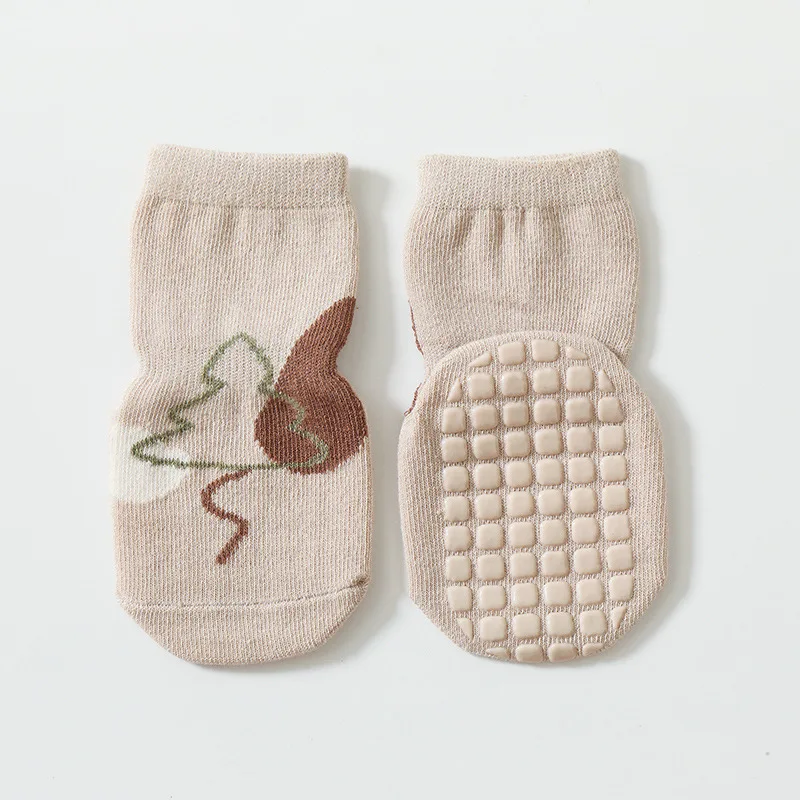
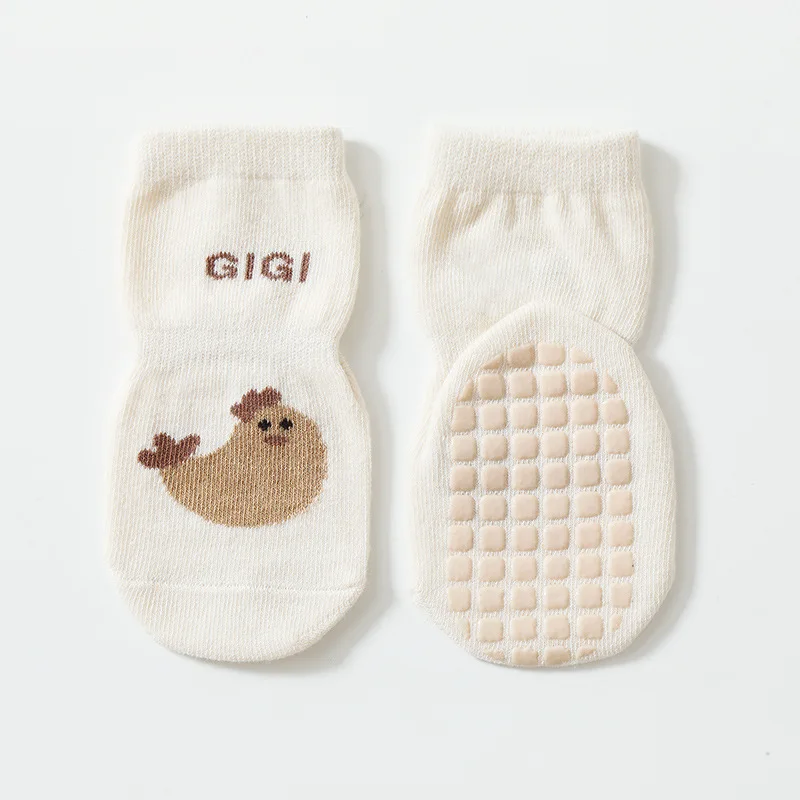
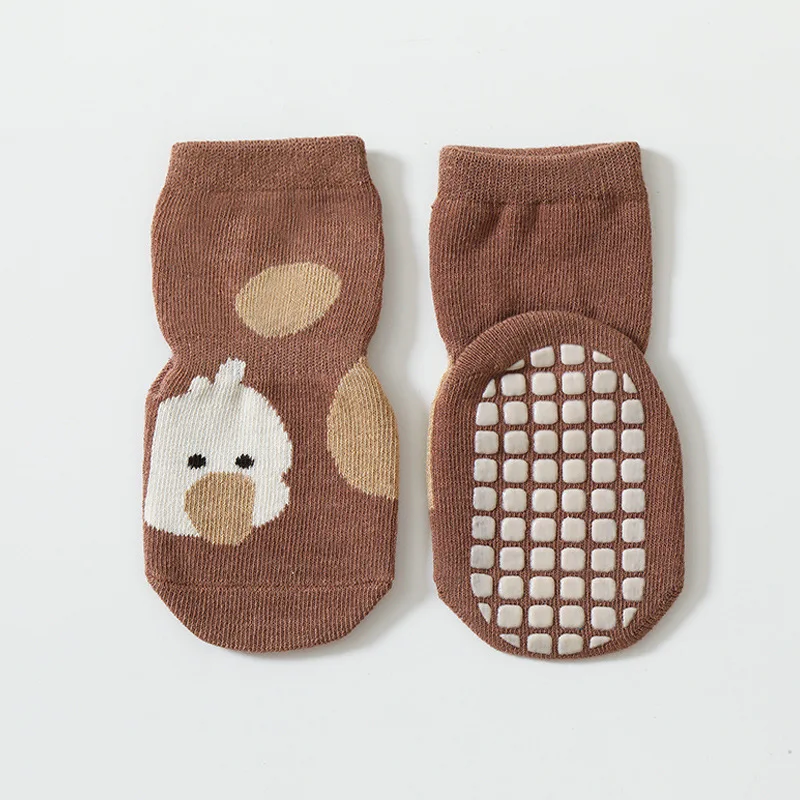
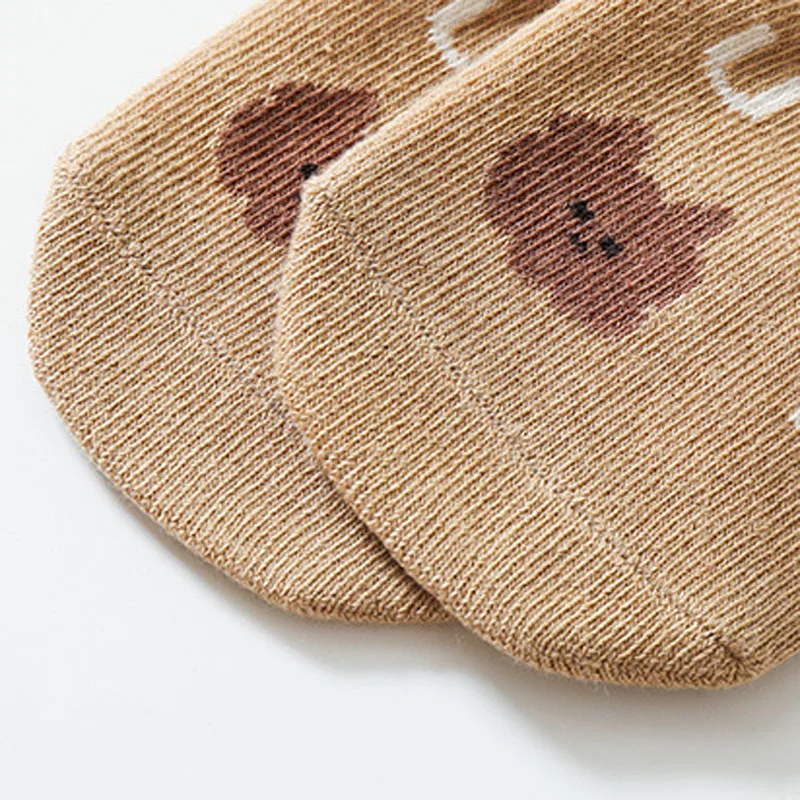
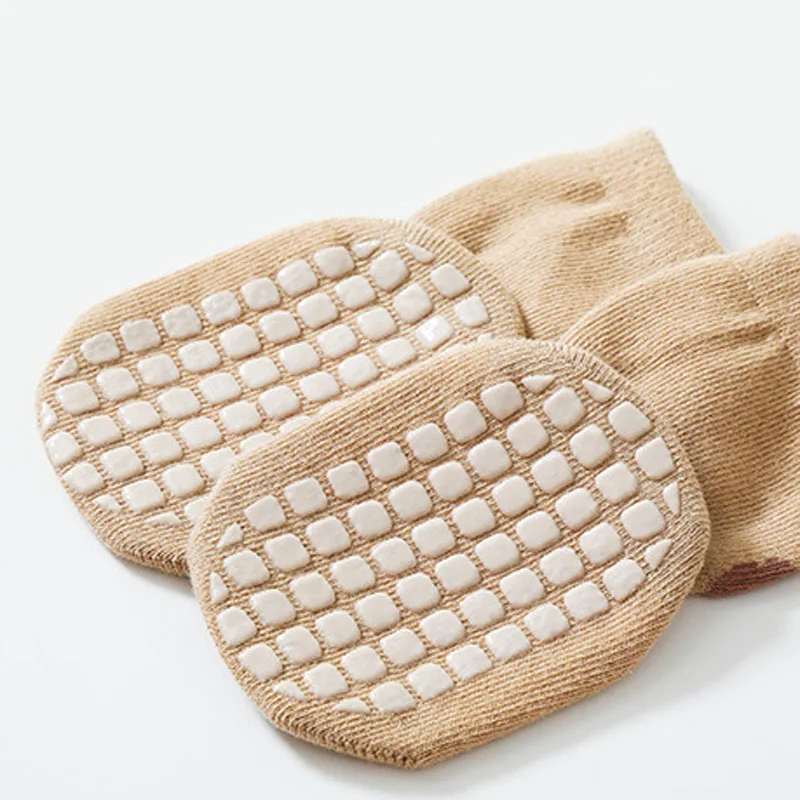
Keep your child safe and comfortable at home with this 5-pair set of kids non-slip floor socks. Designed with anti-skid grips on the sole, these socks help prevent slipping on smooth floors while keeping feet warm and cozy. Perfect for everyday indoor wear.
⭐ Key Features
-
5 Pairs Value Pack – More socks for daily rotation
-
Non-Slip Grip Sole – Helps prevent slips on tile & wooden floors
-
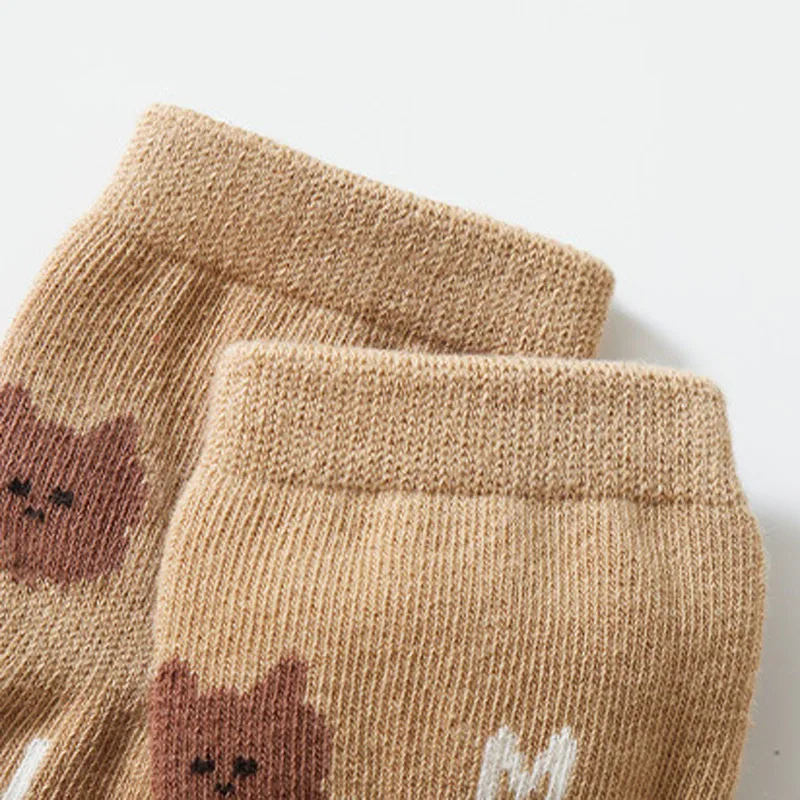
Soft & Comfortable Fabric – Gentle on kids’ skin
-
Warm & Breathable – Ideal for indoor wear
-
Stretchy Fit – Stays in place without squeezing
📋 Specifications
-
Product Type: Kids Floor Socks
-
Quantity: 5 Pairs
-
Sole: Non-slip rubber grips
-
Material: Cotton blend
-
Fit: Stretchable, comfortable
-
Season: All seasons
-
Suitable For: Toddlers & kids
-
Use: Home, daycare, indoor play
SIZE CHART
Size Age Fit Foot Length
S 0-1Years 9-11cm (3.54-4.33in)
M 1-3Years 11-13cm (4.33-5.12in)
L 3-5Years 13-15cm (5.12-5.91in)
The Parent’s Guide to Buying Safe and Comfortable Non-Slip Socks for Toddlers
When toddlers start to walk, every step brings new excitement—and new risks. Smooth floors and regular socks can turn into slipping hazards, making parents constantly worried about falls and injuries. That’s where non-slip socks come in. These specially designed socks add grip to little feet, helping children explore their environment safely. But not all non-slip socks are created equal. From comfort to durability, there are key details parents should know before buying. In this guide, we’ll break down what makes the best non-slip socks for toddlers and how to choose the right pair for your child.
Why Regular Socks Aren’t Enough
Standard socks may keep little feet warm, but they often do more harm than good when it comes to toddler mobility. Most regular socks are made with smooth fabric bottoms that provide little to no traction, especially on hardwood, tile, or laminate flooring. This increases the risk of slips and falls—one of the most common causes of injuries in young children learning to walk.
Unlike older children or adults, toddlers are still developing balance and coordination. Their steps are unsteady, and their center of gravity is lower, which means even minor slips can lead to hard falls. Regular socks don’t account for this phase of movement and lack the grip technology to support safe walking.
Non-slip socks, on the other hand, are specifically made with silicone or rubber grip patterns on the soles. These textured grips give toddlers better traction on smooth surfaces, helping them stay stable as they explore. For active kids who love to run, climb, and test their limits, grip socks reduce unnecessary risks without sacrificing comfort.
Key Features to Look for in Non-Slip Toddler Socks
Not all non-slip socks are made the same. When choosing the right pair for your toddler, there are several important features to look out for that affect safety, comfort, and durability.
1. Grip Quality and Coverage
Look for socks with well-distributed silicone or rubber grips on the soles. The best designs cover the entire bottom of the sock, from heel to toe, ensuring traction no matter how your toddler lands their foot. Avoid socks with only small or decorative grip patches—they don’t provide consistent protection.
2. Material and Breathability
Toddlers’ feet can sweat quickly, especially when they’re constantly on the move. Choose socks made from breathable materials like cotton blends or bamboo, which help regulate temperature and reduce odor. Moisture-wicking fabrics also help prevent skin irritation and discomfort.
3. Stretch and Fit
Elasticity matters. The socks should stretch enough to slide on easily but still hug the foot securely without slipping off. A snug but not tight fit keeps the sock in place during active play and prevents bunching inside shoes.
4. Ankle Support and Height
Socks that rise slightly above the ankle offer better hold and are less likely to slide down. Some parents prefer crew-length or mid-rise socks for added support and to avoid pressure lines around the ankles.
5. Durability After Washing
Frequent washing can wear out lower-quality socks fast. Check product descriptions or reviews for socks that maintain their grip and shape after multiple washes. Reinforced toes and heels are also a sign of a longer-lasting product.
How Non-Slip Socks Support Toddler Development
Non-slip socks aren’t just about preventing falls—they play an active role in supporting your toddler’s growth and mobility. As children learn to stand, balance, and take their first steps, the right kind of sock can make a big difference in their confidence and coordination.
1. Encourages Independent Movement
Grippy socks give toddlers the stability they need to move around freely without assistance. When kids feel secure on their feet, they’re more likely to explore, try new movements, and strengthen their muscles. This independent exploration is essential for motor skill development.
2. Supports Proper Foot Mechanics
Barefoot walking is often recommended for early development because it allows toddlers to feel the ground and use the small muscles in their feet. Good non-slip socks mimic that natural grip while still providing a layer of protection. The textured sole allows toddlers to feel stable without restricting movement or flexibility.
3. Reduces Hesitation and Fear of Falling
Toddlers are quick to remember a bad fall. A smooth sock that caused a slip may make a child more cautious, slowing down their learning progress. Non-slip socks help remove that fear, letting them walk and play with more confidence.
4. A Safer Alternative for Indoor Play
Since toddlers often play indoors—on wood, tile, or other slick surfaces—non-slip socks serve as a safer alternative to shoes inside the home. They protect little feet without limiting movement like hard-soled shoes can.
Sizing and Fit Tips for Toddlers
Getting the right fit for non-slip socks is just as important as choosing the right design. Socks that are too tight can restrict movement and circulation, while ones that are too loose can bunch up, fall off, or even cause trips.
1. Know Your Toddler’s Shoe Size
Most toddler socks are sized by shoe range (e.g., 12–24 months or sizes 4–6). Always refer to the brand’s size chart, as sizing can vary between manufacturers. If your toddler is between sizes, size up—but make sure the sock still fits snugly.
2. Check the Elastic Band
A good sock should stay in place without leaving deep marks around the ankle. Elastic should hold the sock up but still allow easy on-and-off without struggle. Avoid socks that dig in or cause irritation, especially for toddlers with sensitive skin.
3. Look for Stretch Without Sag
The sock should stretch enough to allow natural foot movement but return to shape after wear. If the sock loses shape after one or two wears or washes, it’s too loose. A well-fitted sock keeps the grip pattern aligned with the bottom of the foot, where it’s needed most.
4. Monitor for Growth Spurts
Toddlers grow quickly, and it’s important to check sock fit often. A tight sock might not be obvious at first but could cause discomfort or pressure over time. Rotate older pairs out of use regularly and restock as your child grows.
5. Test the Fit Indoors
Before your toddler runs around the house in new socks, test the fit indoors for slipping, bunching, or heel movement. If the heel keeps sliding down or the sock twists, try a different size or brand.
How to Care for Non-Slip Socks
Proper care helps non-slip socks maintain their grip and comfort over time. Since toddlers use these socks frequently and often get them dirty fast, washing and storing them correctly ensures they stay effective and last longer.
1. Wash in Cold or Warm Water
Always check the label, but most non-slip toddler socks do best in cold or warm water on a gentle cycle. High heat can weaken the elastic and damage the grip material, especially if it’s silicone-based.
2. Turn Them Inside Out Before Washing
To protect the grip patterns and reduce wear, turn the socks inside out before washing. This also helps clean dirt and sweat from the inside where it builds up most.
3. Avoid Fabric Softeners
Fabric softeners can leave a coating that reduces the effectiveness of the grips. Skip the softener to keep the traction strong.
4. Air Dry When Possible
Air drying is best to prevent the silicone or rubber grips from cracking or peeling. If using a dryer, tumble dry on low and avoid high heat. Excess heat can shorten the life of both the fabric and grip material.
5. Store in a Clean, Dry Place
Store socks flat or rolled in a dry drawer to avoid stretching out the elastic. Avoid hanging them, which can cause the cuffs to stretch over time.
6. Replace When Grip Wears Out
Even high-quality socks will eventually lose grip with frequent use. If the grip is visibly peeling, cracking, or no longer helping with traction, it’s time to replace the pair.
Conclusion
Non-slip socks are more than a convenience—they’re a smart safety essential for toddlers learning to walk, play, and move independently. Unlike regular socks, they’re designed to support balance, prevent slips, and keep little feet protected across a variety of indoor surfaces. But choosing the right pair means paying attention to grip quality, fit, material, and care instructions.
For parents who want peace of mind and toddlers who need confidence with every step, investing in well-made non-slip socks is a simple but effective choice. With the right pair, your child can enjoy safe exploration while staying comfortable every step of the way.