


Kids Shoes With Wide Toe Box
$65.00$93.5931% off
Hurry up! Free shipping on first order
Color: A008-Black Grey
Shoe Size: 25
Quantity


SHARE:
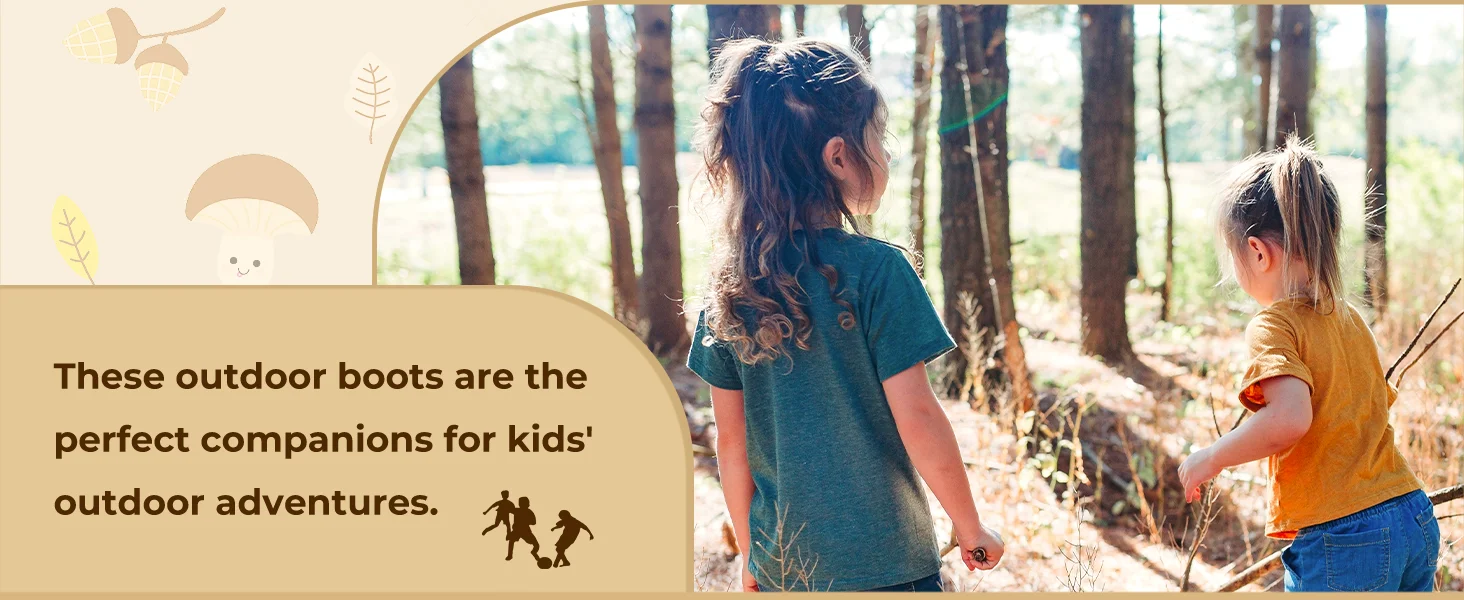
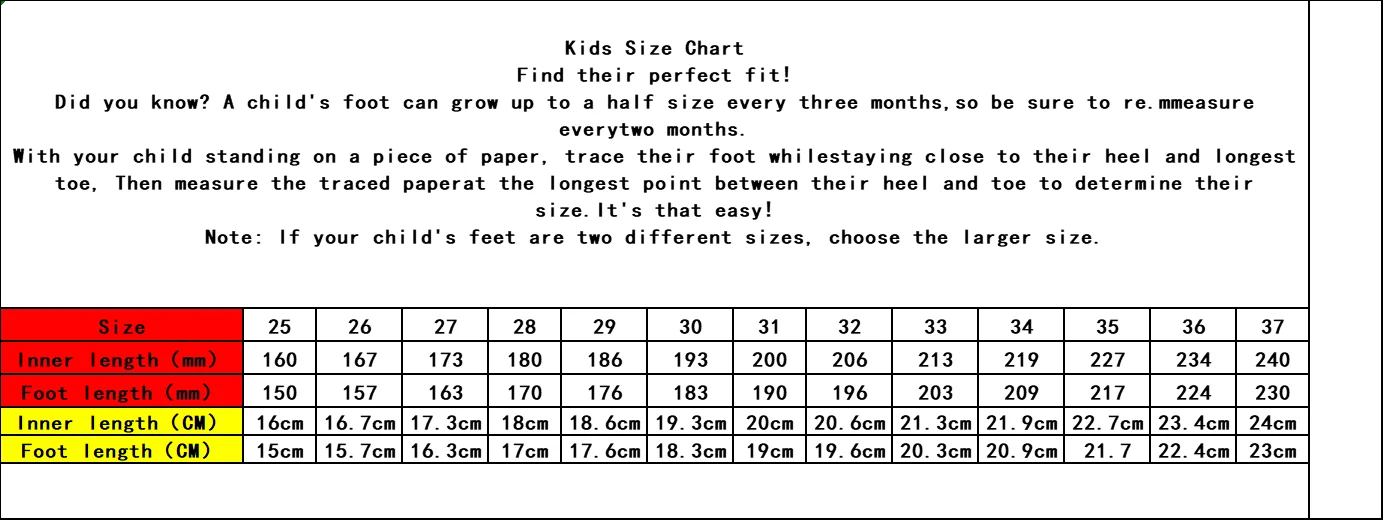
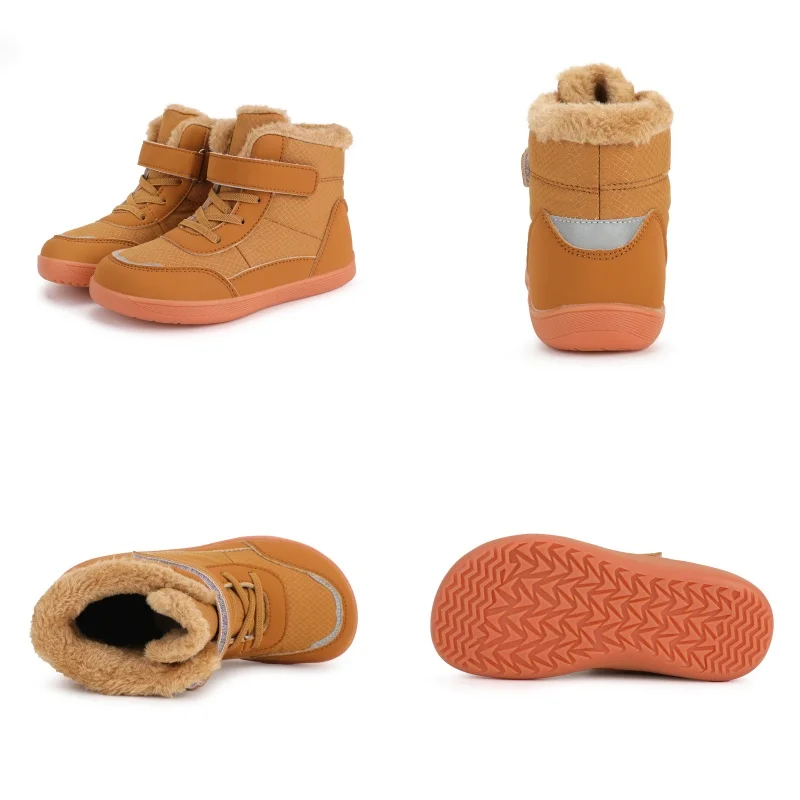
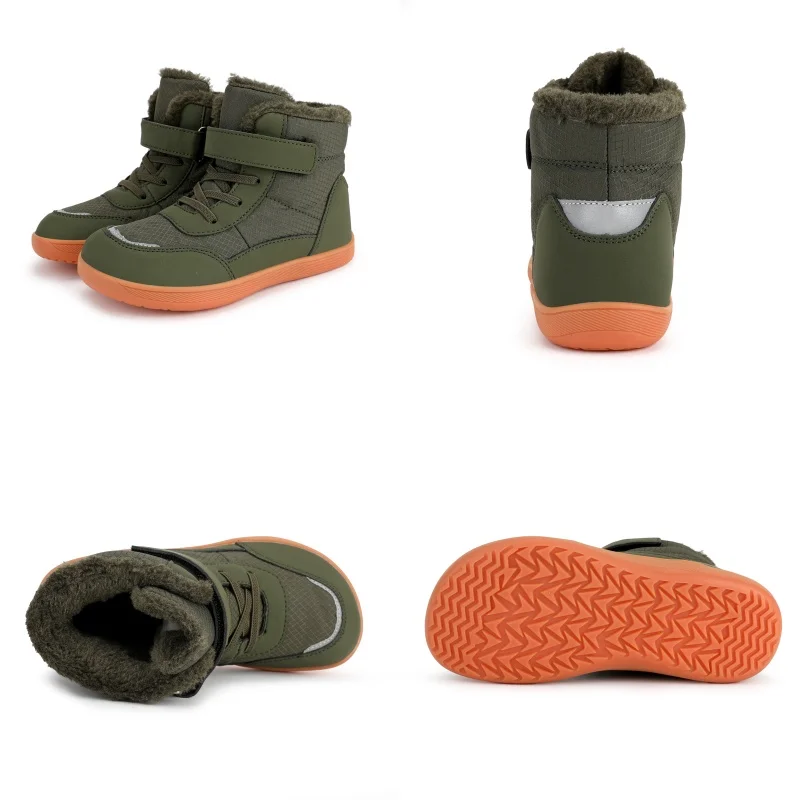
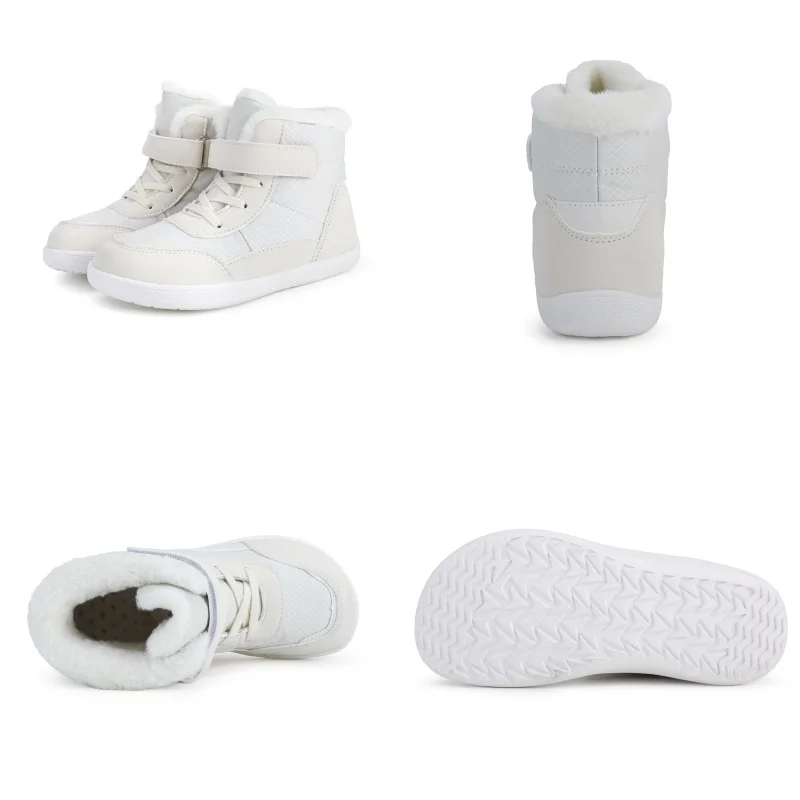
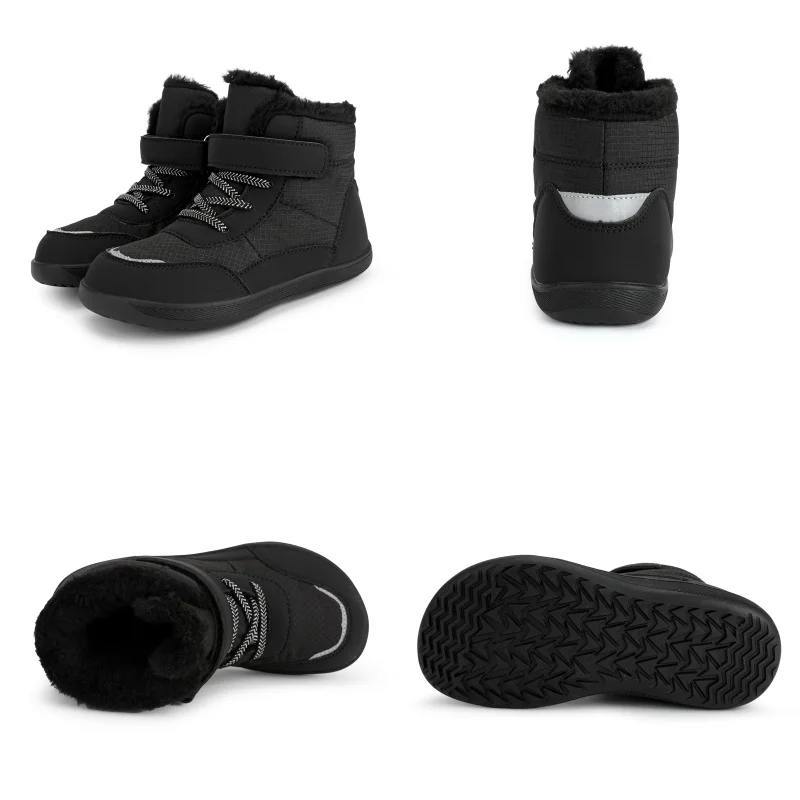
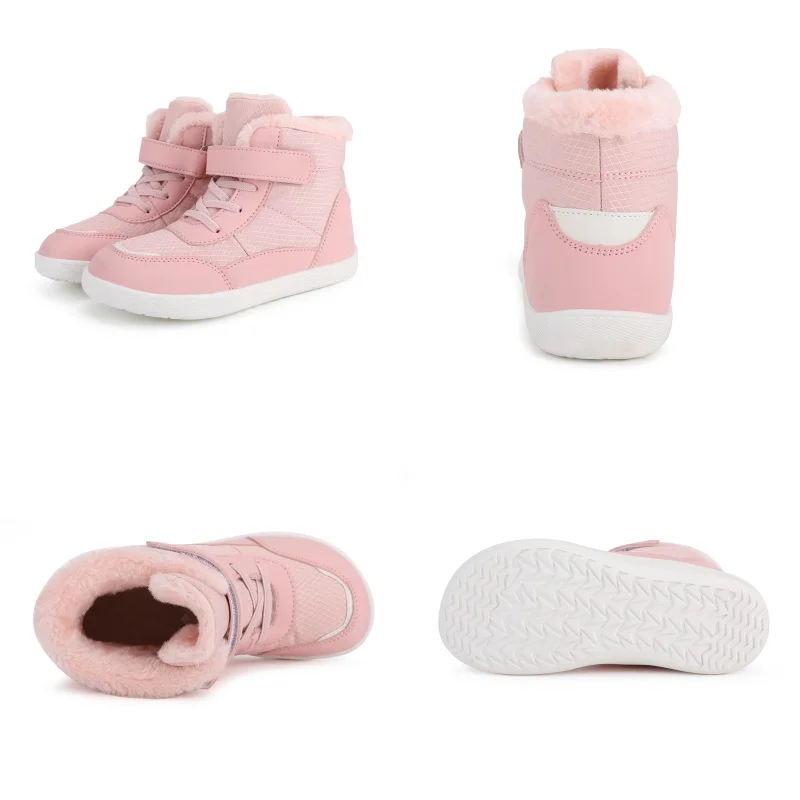
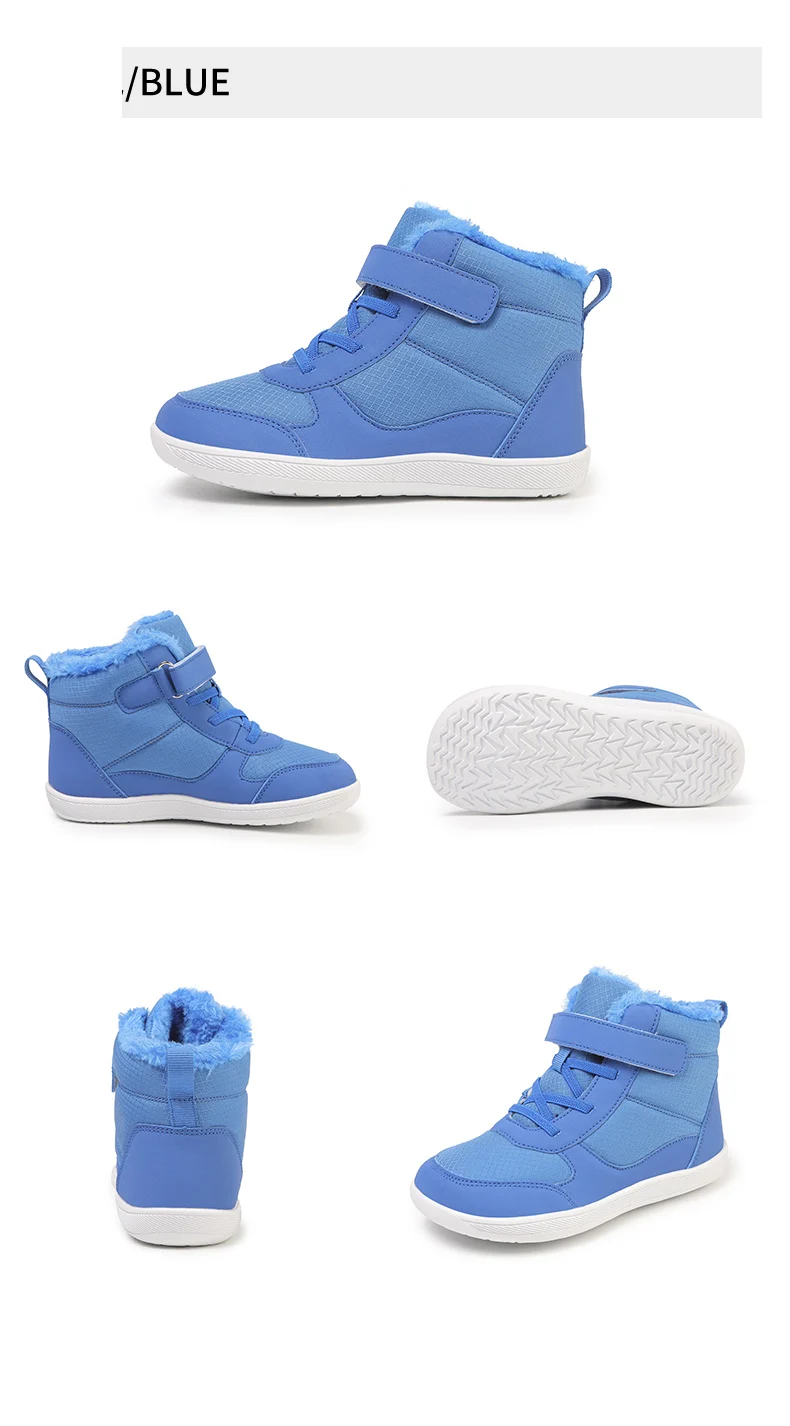
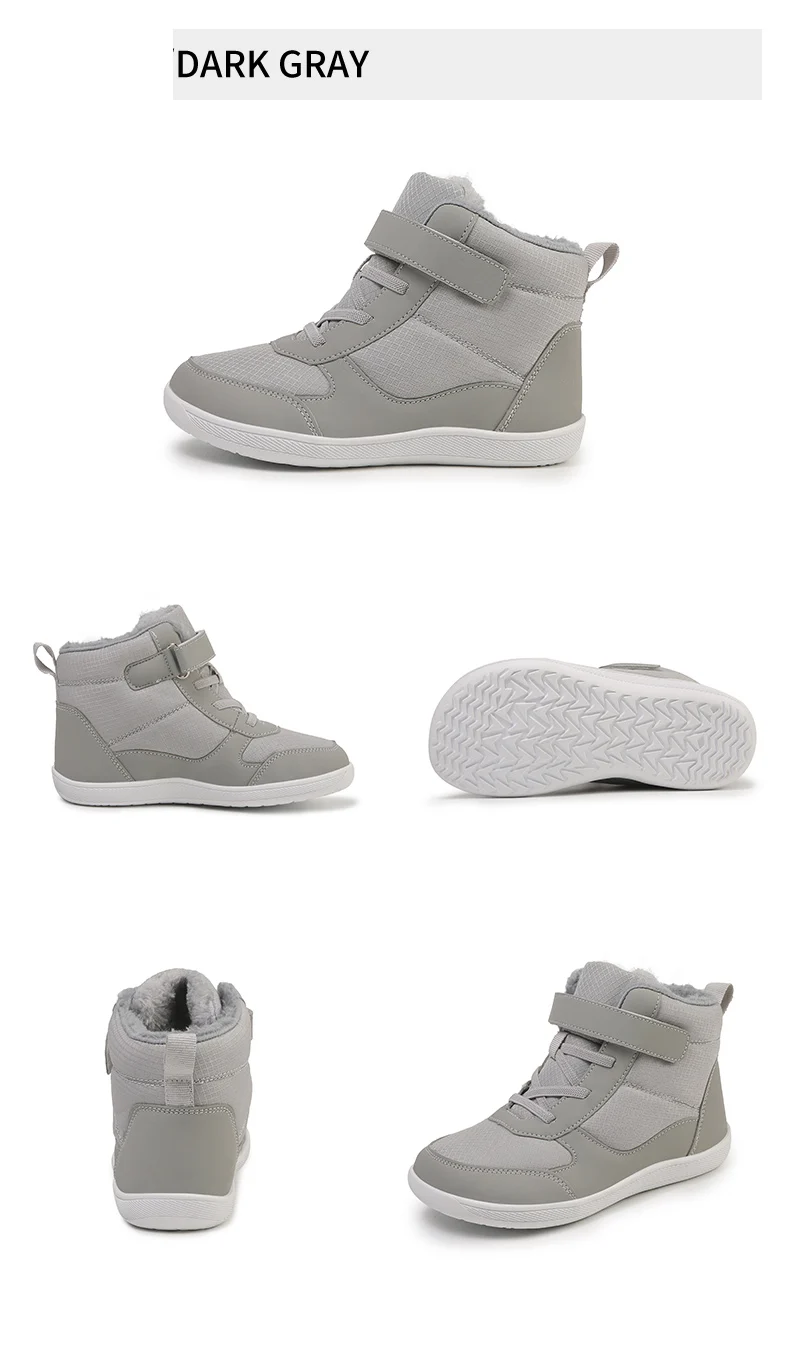
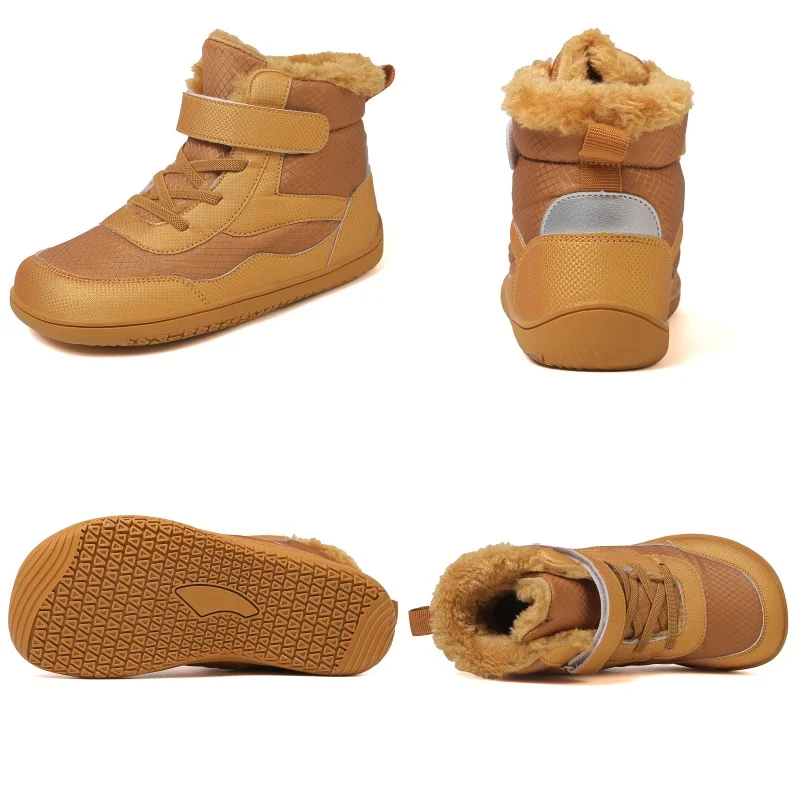
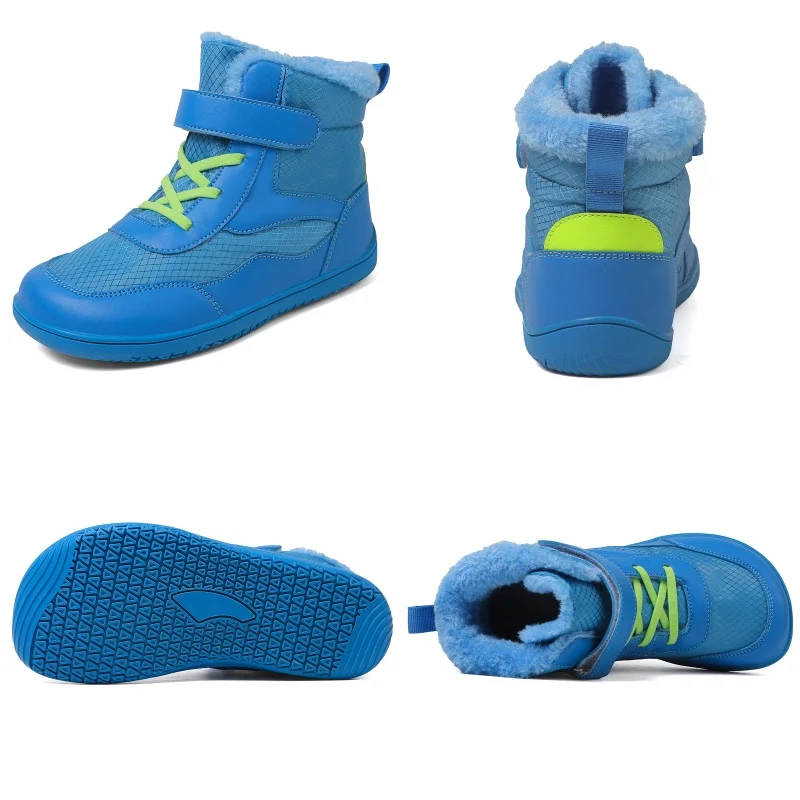
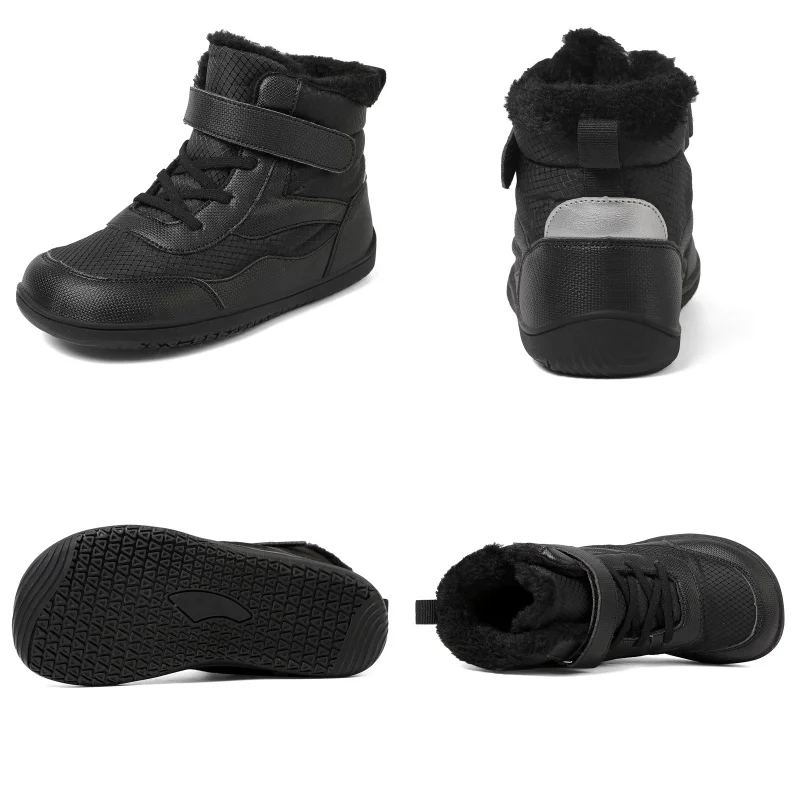
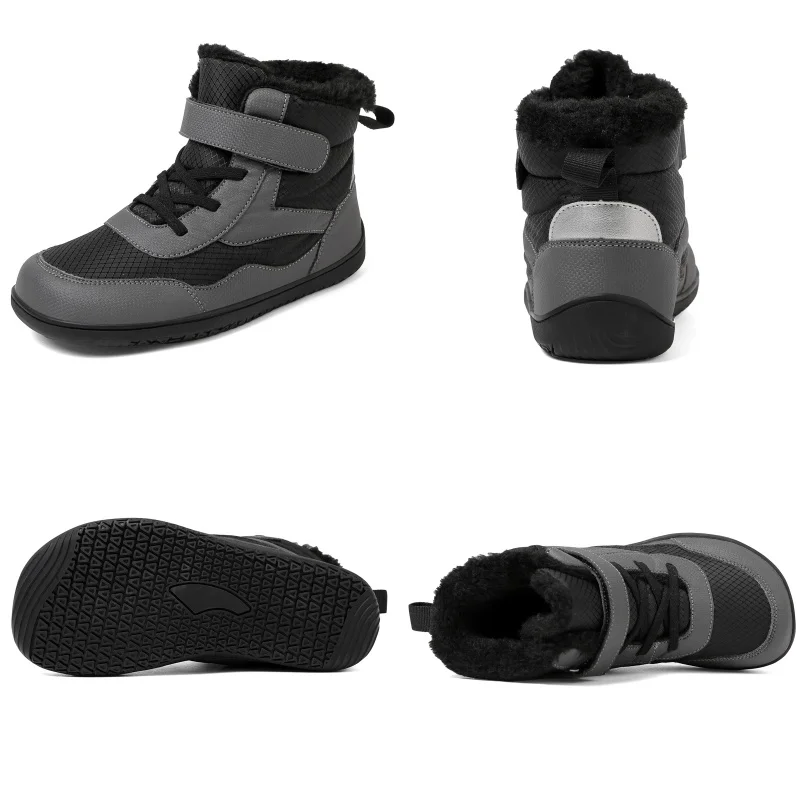
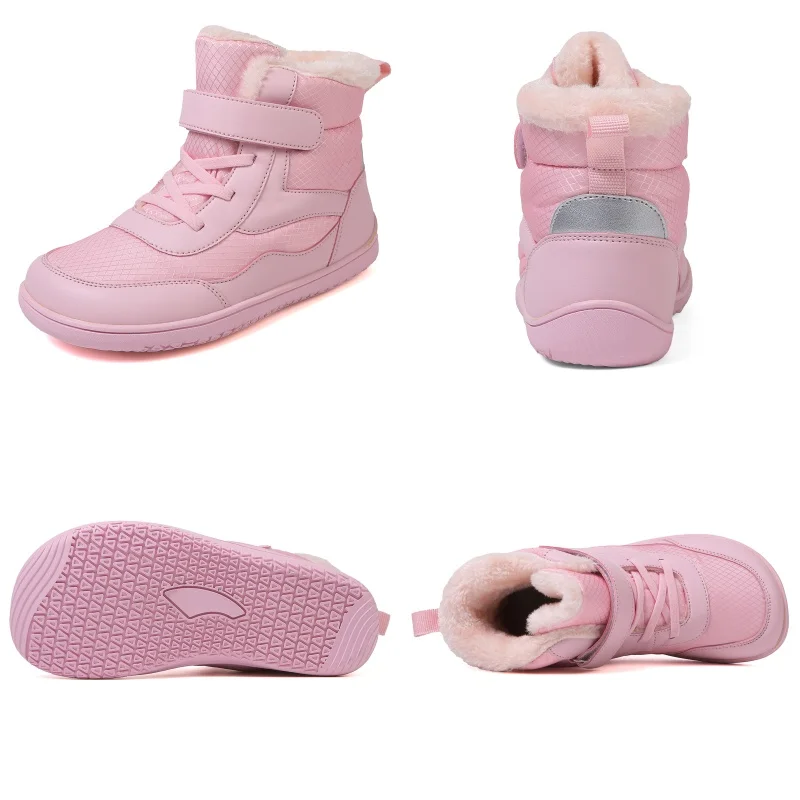
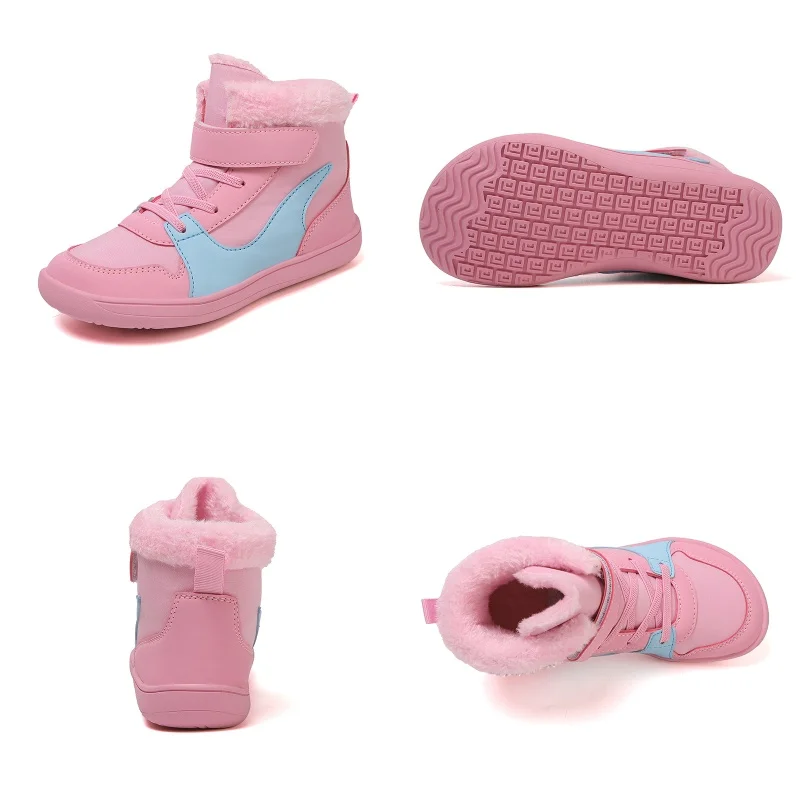
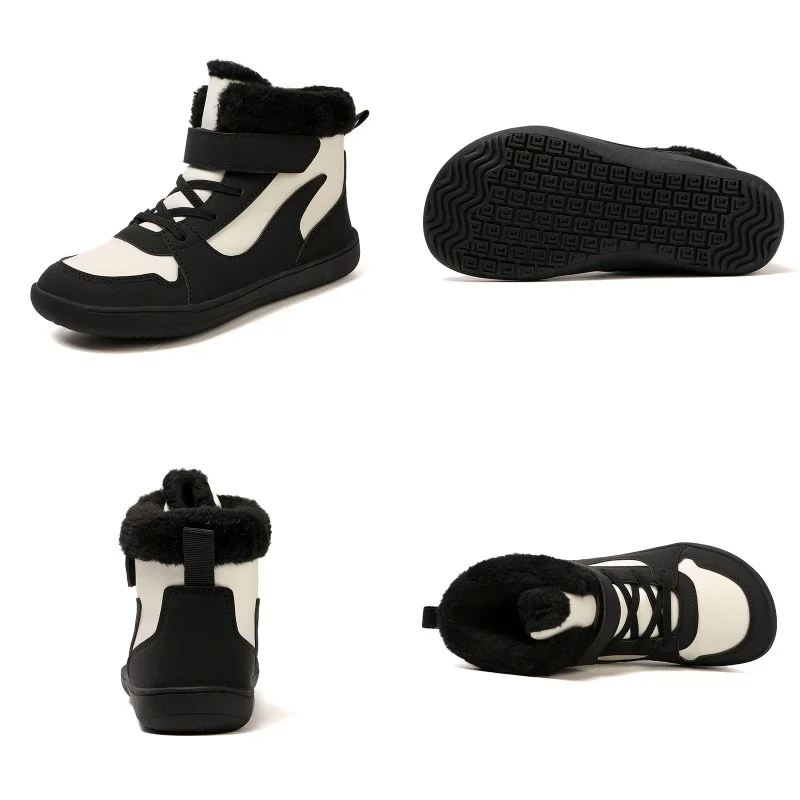
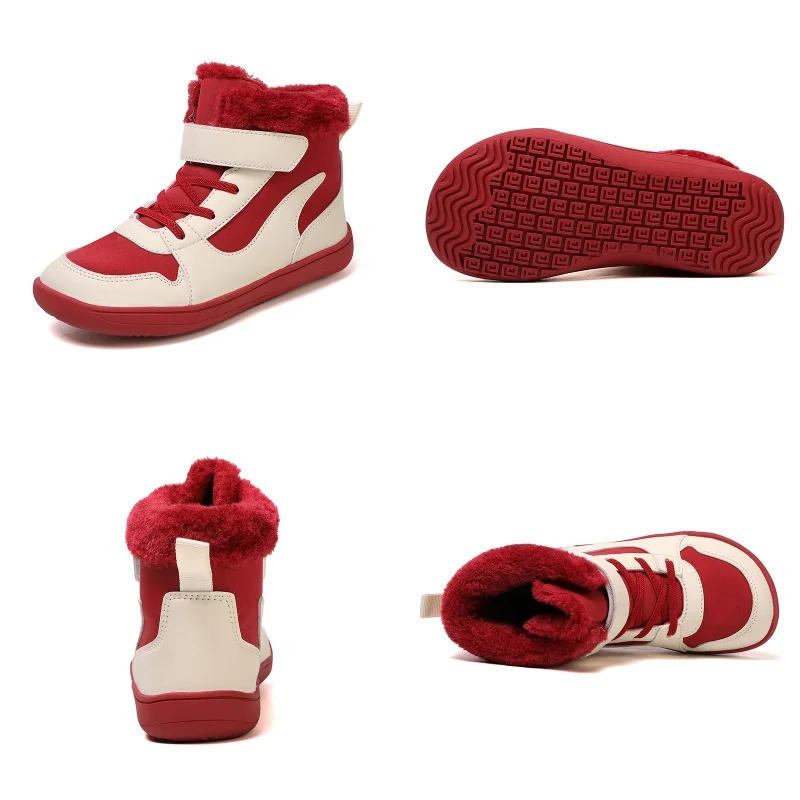
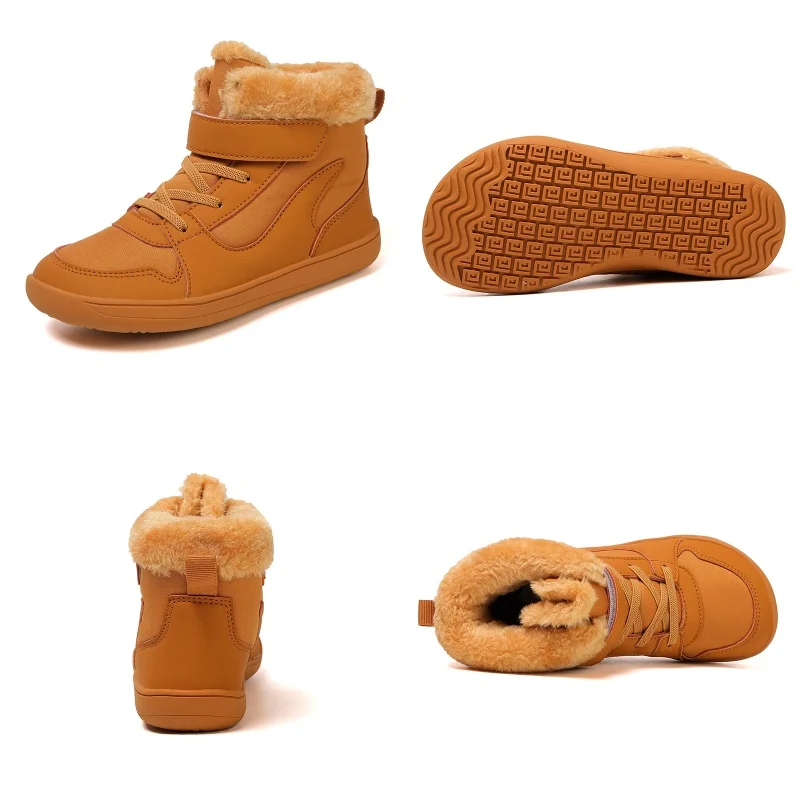
Kids Shoes With Wide Toe Box
Foot development during childhood plays a critical role in lifelong posture, mobility, and overall health. Choosing the right shoes isn't just about size—it's also about shape. Many mainstream children's shoes are designed with narrow toe boxes that squeeze toes together, which can interfere with natural foot growth. For kids with wider feet, foot conditions, or even just naturally splayed toes, this can lead to discomfort, improper walking patterns, and long-term structural issues. Shoes with a wide toe box provide the space needed for toes to spread naturally, supporting balance, proper alignment, and healthy bone development.
The Role of Toe Box Shape in Foot Development
The toe box is the front part of a shoe where the toes sit. In growing children, this area plays a bigger role than many realize. Young feet are still forming — the bones, muscles, and tendons are flexible and responsive to pressure. A narrow toe box can compress the toes, limit movement, and interfere with natural foot alignment. Over time, this can contribute to problems like toe crowding, reduced arch support, and even joint misalignment.
Children's feet are naturally wider at the toes, allowing them to grip, balance, and develop strength. A properly designed wide toe box mimics this natural shape, allowing toes to splay and function freely. This not only helps with balance and coordination but also supports the development of strong arches and healthy walking patterns.
Wearing shoes that restrict toe movement can lead to long-term concerns such as bunions, hammer toes, and flat feet. In contrast, a wide toe box gives growing feet the room they need to develop without unnatural constraints.
Signs Your Child Needs a Wide Toe Box Shoe
Recognizing when your child might benefit from a wide toe box shoe is key to preventing discomfort and supporting healthy growth. Some signs are visible, while others show up in your child’s behavior or through recurring foot issues.
Physical signs to watch for:
-
Red marks or indentations on the sides of the feet or toes after wearing shoes
-
Toes overlapping or curling under each other inside the shoe
-
Worn-out areas or stretching in the front of the shoe
Behavioral signs include:
-
Complaints of foot pain, especially around the toes
-
Refusal to wear certain shoes or wanting to go barefoot often
-
Frequent tripping or awkward walking patterns
Common foot conditions that may require a wide toe box:
-
Flat feet – more space helps avoid unnecessary pressure on the arch and toes
-
Wide feet – standard shoes may feel tight even if the length is correct
-
Bunions or toe deformities – require shoes that don’t add pressure or crowd the toes
Parents should also keep in mind that kids’ feet grow rapidly and often unpredictably. A shoe that fit well a few months ago might now be too tight, especially in the toe area.
Key Features to Look for in a Wide Toe Box Shoe
Not all shoes labeled as “wide” actually provide enough room in the toe box. When choosing the right pair, it's important to look beyond the size tag and focus on design elements that support natural foot function and comfort.
1. Wide and Rounded Toe Area
The front of the shoe should be wide enough to allow the toes to spread naturally without touching each other or the sides. Avoid shoes with narrow or pointed toe shapes, even in "wide" sizes, as they can still compress the toes.
2. Foot-Shaped Design
Look for brands that design shoes based on the natural shape of a child’s foot—wider at the toes and narrower at the heel. This supports both proper fit and foot stability during movement.
3. Flexible Soles
A good wide toe box shoe should also have a flexible sole that allows natural foot movement. Rigid soles can interfere with toe-off during walking and running, especially when combined with a narrow front.
4. Room for Growth
Children’s feet grow quickly, so make sure there’s about a thumb’s width of space between the longest toe and the front of the shoe. This ensures enough room for foot expansion without compromising fit.
5. Breathable, Non-Restrictive Materials
Shoes made from soft, breathable materials like mesh or leather adapt better to foot shape and allow for better airflow, reducing the risk of blisters and discomfort.
6. Secure Fit at the Heel
While the toe box should be roomy, the heel and midfoot area should remain snug to prevent slipping or instability. This helps the shoe move naturally with the foot while still providing toe space.
By checking for these features, parents can make sure their child’s shoes support not just comfort, but proper foot growth and development.
Mistakes Parents Often Make When Choosing Shoes
Even with the best intentions, it’s easy to overlook important factors when buying kids' shoes — especially when it comes to toe box width. Here are some common mistakes to avoid:
1. Confusing “Wide Size” With Wide Toe Box
Many parents assume that a shoe labeled as “wide” automatically has a roomy toe box. In reality, some brands increase width at the midfoot or heel but leave the toe box unchanged. Always check the shape and design of the toe area, not just the size label.
2. Prioritizing Style Over Fit
Trendy shoes or brand-name styles often have narrow designs to look sleek. Choosing fashion over function can lead to long-term foot problems. Always place fit and foot health above aesthetics, especially for daily wear.
3. Ignoring Signs of Discomfort
If a child regularly complains about their shoes, it’s worth investigating. Kids may not always describe the issue clearly, but pain, reluctance to walk, or constant shoe removal are warning signs.
4. Not Measuring Feet Regularly
Children’s feet grow quickly and unpredictably. Relying on previous sizes can result in tight, cramped shoes. It’s a good practice to measure foot length and width every few months, especially during growth spurts.
5. Overlooking Foot Shape Variations
Every child’s foot is different. Some have wide forefeet with narrow heels, high insteps, or specific conditions. Choosing shoes based only on standard sizing charts without considering these factors can lead to poor fit.
Avoiding these mistakes ensures better comfort and long-term foot health — especially when wide toe box shoes are truly needed.
Recommended Shoe Types and Brands to Explore
When shopping for kids' shoes with a wide toe box, the type of shoe matters just as much as the brand. Different activities call for specific designs, but the need for natural toe space remains constant.
Everyday Sneakers
These should offer good flexibility, breathable materials, and a wide, rounded toe area. They’re ideal for school, play, and general daily wear.
School and Dress Shoes
Look for structured shoes with foot-friendly designs. Avoid stiff leather shoes with pointed toes, even if they seem formal. Some brands now offer dress shoes with natural foot shapes and wider fronts.
Sport and Activity Shoes
Whether it's running, hiking, or playing sports, shoes in this category should provide both support and room for toe movement. A snug midfoot and secure heel help performance, but the toe box still needs to allow for splay and balance.
Reliable Brands to Explore (non-sponsored and purely informative):
-
Vivobarefoot Kids – Foot-shaped design, extremely wide toe box, flexible soles
-
See Kai Run – Known for accommodating wider feet with kid-focused designs
-
Splay Shoes – Minimalist shoes with a wide toe box, good for natural foot movement
-
Plae Shoes – Customizable fit with a wider toe area and durable design
-
Ten Little – Designed with pediatricians, wide front, great for early walkers
Each child’s feet are unique, so trying different brands and checking fit in person (or using brand-specific sizing guides) is key.
Conclusion
Choosing the right shoes during childhood is more than a comfort decision — it’s a foundation for healthy foot development. A wide toe box allows children’s toes to spread naturally, promoting better balance, stronger arches, and proper joint alignment. For kids with wide feet, foot conditions, or just fast-growing feet, standard shoes often fall short in providing the space and support they need.
By learning to spot the signs of poor fit, avoiding common buying mistakes, and focusing on shoe features that truly support foot health, parents can make confident, informed decisions. Wide toe box shoes aren’t just a specialty item — they’re often the right choice for growing feet.