


Indoor Soccer Shoes For Kids
$78.85$95.9918% off
Hurry up! Free shipping on first order
Color: A8 As shown (black)
Shoe Size: 30
Quantity


SHARE:


Kids Indoor Soccer Shoes Buying Guide for Parents
Indoor soccer is fast-paced, and kids need the right footwear to move quickly, stay safe, and enjoy the game. Many parents overlook the importance of specialized indoor soccer shoes, assuming any athletic shoe will do.
But indoor courts and turf fields require specific design features to prevent slipping, support quick direction changes, and reduce impact on growing feet.
The right pair of indoor soccer shoes not only boosts a child’s performance but also helps prevent common injuries like rolled ankles or sore arches. This guide helps parents understand what to look for when choosing indoor soccer shoes for their kids, ensuring both safety and value for money.
1. Understanding Indoor Soccer Surfaces
Indoor soccer is typically played on flat, hard surfaces like gym floors or artificial turf. Unlike outdoor fields, these surfaces don’t have natural grip or give, making the type of shoe essential for safety and control.
Hard courts require non-marking rubber outsoles that provide maximum grip without leaving streaks on the floor. On the other hand, artificial turf demands a flexible sole with small rubber studs or a textured pattern that ensures stability during quick stops and turns.
Choosing the wrong type of shoe—like outdoor cleats with long studs—can lead to poor traction or even injuries. That’s why indoor soccer shoes are specifically designed with flat or lightly patterned soles that deliver reliable traction while allowing smooth movement. The right sole ensures your child can move confidently across the surface without slipping or losing control of the ball.
2. Important Product Features to Consider
When buying indoor soccer shoes for kids, it's important to focus on features that improve comfort, performance, and durability. Here are the key elements to look for:
-
Rubber Outsole with Strong Grip
A durable rubber outsole provides excellent traction on indoor courts and artificial turf. Look for non-slip soles that are specifically designed to handle fast direction changes and quick stops without sliding. -
Leather or Microfiber Upper
A high-quality leather or microfiber upper gives the shoe structure and durability. These materials help the shoe maintain shape over time while offering flexibility for comfort during play. -
Breathable Design
Breathability is crucial, especially during intense matches or training sessions. Shoes with mesh panels or moisture-wicking lining (like Lycra) allow for airflow, keeping kids’ feet cool and reducing sweat buildup. -
Secure Lace-Up Closure
A traditional lace-up closure ensures a snug fit, which is essential for stability. This design helps prevent the foot from sliding inside the shoe, reducing the chance of blisters or twisted ankles. -
Comfortable Insole and Cushioning
EVA insoles provide lightweight cushioning and impact absorption. This is especially helpful for young athletes with growing feet, offering support without adding bulk. -
Fit and Shoe Width
Look for shoes that are true to size and offer a standard medium width. A well-fitting shoe helps with balance and control, while a poor fit can lead to discomfort or poor performance. -
Wear Resistance
Kids often play hard, so choose shoes built to last. Reinforced toe caps and durable outsole patterns help extend the life of the shoes, even with regular use.
3. Fit and Sizing Tips for Growing Kids
Getting the right fit is just as important as choosing the right features. Shoes that are too tight or too loose can affect your child's comfort, performance, and foot development. Here’s how to ensure a proper fit:
-
Measure Feet Correctly
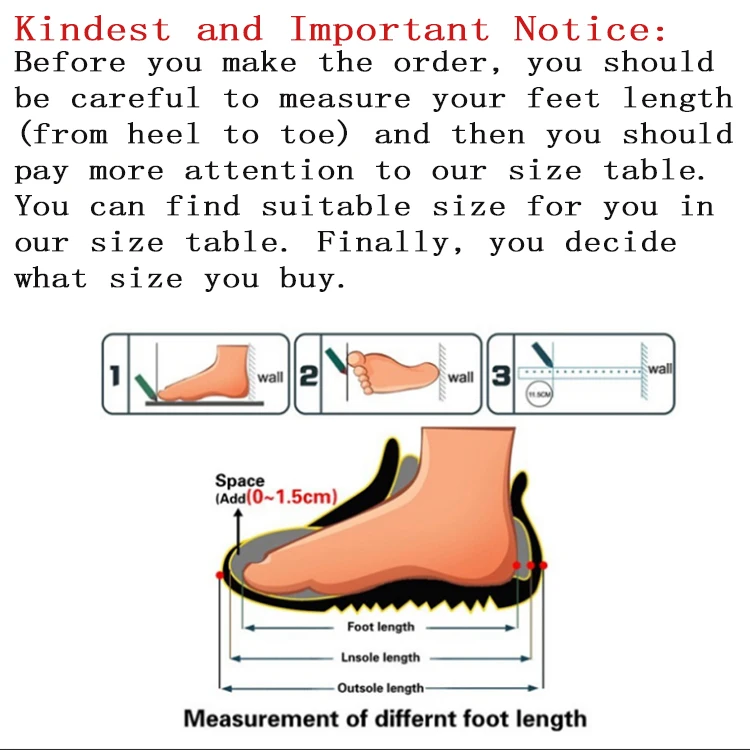
Use a measuring tape or foot ruler to measure both feet while your child is standing. Always go with the measurement of the larger foot. Kids' feet grow fast, so re-measure every few months—especially before a new season starts. -
Leave a Little Room, But Not Too Much
There should be about a thumb’s width of space between the longest toe and the front of the shoe. This gives growing room without compromising control. Avoid going up more than half a size to “grow into” the shoes—too much space can cause slipping inside the shoe. -
Check Width and Arch Support
Make sure the shoe is snug around the sides without squeezing. Most indoor soccer shoes come in standard widths, but be sure to check the fit across the ball of the foot and the arch. A proper fit should support natural foot movement. -
Test the Fit With Socks
Always try on soccer shoes with the type of socks your child will wear during games. Thicker socks can affect the fit, so testing under realistic conditions helps avoid surprises later. -
Watch for Common Fit Issues
If your child complains about heel slipping, pressure on the toes, or blisters, the fit may be off. Also, if they trip often or hesitate during play, the shoes may not be secure enough.
4. Best Materials for Durability and Comfort
When it comes to kids’ indoor soccer shoes, material quality plays a big role in how long the shoes last and how comfortable they feel during matches or training. Here are the top materials to consider:
-
Microfiber Uppers
Microfiber is a popular choice because it’s lightweight, breathable, and durable. It mimics the feel of natural leather but is more resistant to wear and easier to clean—perfect for kids who play often. -
Leather Uppers
High-quality synthetic or natural leather offers structure and support while molding slightly to the foot over time. Leather is tougher than mesh, making it ideal for more competitive players who need extra durability. -
Lycra Lining
Lycra is a soft, stretchable fabric used in the inner lining of many shoes. It improves comfort by reducing friction and allowing flexibility, which is especially important during fast movements and changes in direction. -
EVA Insoles
Ethylene-vinyl acetate (EVA) is a cushioned, shock-absorbing material commonly used for insoles. It helps reduce stress on growing feet and provides a soft, responsive feel during play. -
Stitched or Stuck Upper Construction
Shoes can be either stitched or stuck (glued) at the upper. Stitched construction generally lasts longer and holds shape better over time. Stuck uppers may be lighter and more flexible but might wear down faster under heavy use. -
Toe and Heel Reinforcement
Look for reinforced toe areas and strong heel counters. These not only improve durability but also protect against toe drag and improve foot stability—both important for younger players learning footwork and ball control.
5. Price Ranges and What to Expect
Indoor soccer shoes for kids are available at a wide range of prices, and understanding what each range typically offers can help parents make smart, budget-conscious choices.
-
Budget Range (Entry-Level)
These shoes are usually the most affordable, often priced under $30. They cover the basic needs: rubber outsoles for grip, simple lace-up closures, and lightweight construction. While they may not last as long with heavy use, they’re a good starting point for beginners or kids who are just trying out the sport. -
Mid-Range Options
Priced between $30–$60, mid-range shoes often offer better materials like microfiber uppers, cushioned EVA insoles, and breathable linings. These shoes are built for regular use and offer a noticeable upgrade in comfort and durability. Ideal for kids playing in leagues or practicing frequently. -
Premium Models
Shoes in this range, typically $60 and above, are designed with more advanced features—such as reinforced toe caps, high-grip outsoles, enhanced ankle support, and stitched upper construction. They’re built to handle intense use and provide consistent performance. Best suited for competitive players or parents looking for long-term value. -
What to Expect Based on Price
Higher prices generally reflect better build quality and longer-lasting materials. However, kids grow fast, so consider how often you'll need to replace shoes due to sizing—sometimes a durable mid-range option offers the best balance of performance and value.
6. Top Shoe Care Tips for Parents
Taking proper care of indoor soccer shoes helps extend their life, maintain performance, and keep them comfortable for your child. Here are practical tips every parent should know:
-
Clean Shoes Regularly
Even indoor shoes collect dust, sweat, and dirt. Wipe the upper with a damp cloth after each session. For deeper cleaning, use mild soap and water—never harsh chemicals that can damage the material. -
Dry Shoes Properly
Never put soccer shoes in the dryer or near direct heat, as it can warp the shape or damage the glue. Instead, let them air dry in a shaded, ventilated space. Stuffing them with newspaper can help absorb moisture and keep the shape. -
Store in a Cool, Dry Place
Avoid leaving shoes in hot cars or damp bags for extended periods. Store them in a breathable shoe bag or on a shelf to maintain their condition. -
Use Shoes Only on Intended Surfaces
Don’t let kids wear indoor shoes outdoors. Hard concrete or abrasive surfaces will wear down the sole quickly. Keep a separate pair for outdoor play if needed. -
Check for Wear and Tear
Inspect the soles, stitching, and toe areas every few weeks. Worn-out grip or separated uppers are signs it’s time to replace the shoes—before they cause injury or impact performance.
Conclusion
Choosing the right indoor soccer shoes for your child is about more than just looks or price—it's about ensuring safety, comfort, and performance on the court. From understanding the playing surface to selecting shoes with the right materials, fit, and features, every decision impacts how your child plays and feels during the game.
Look for shoes with a secure lace-up fit, breathable materials, durable rubber soles, and proper cushioning. Prioritize sizing that allows room to grow without compromising support, and don’t overlook care tips that can extend the life of the shoes.
Whether your child is just starting out or playing competitively, the right indoor soccer shoes will help them move confidently, stay comfortable, and enjoy every match.