


High Instep Toddler Shoes
$57.99$75.3923% off
Hurry up! Free shipping on first order
Color: pink boots
Shoe Size: 15(insole 12 cm)
Quantity


SHARE:
Size Chart
US Size 2 = EUR Size 15 = Shoes Insole Length 12 (CM)
US Size 3 = EUR Size 16 = Shoes Insole Length 12.5(CM)
US Size 3.5 = EUR Size 17 = Shoes Insole Length 13 (CM)
US Size 4 = EUR Size 18 = Shoes Insole Length 13.5(CM)
US Size 4.5 = EUR Size 19 = Shoes Insole Length 13.8(CM)
US Size 6 = EUR Size 22 = Shoes Insole Length 14 (CM)
US Size 7 = EUR Size 23 = Shoes Insole Length 14.5(CM)
US Size 8 = EUR Size 24 = Shoes Insole Length 15 (CM)
US Size 8.5 = EUR Size 25 = Shoes Insole Length 15.5(CM)
US Size 9 = EUR Size 26 = Shoes Insole Length 16.5(CM)
US Size 10 = EUR Size 27 = Shoes Insole Length 17.2(CM)
US Size 11 = EUR Size 28 = Shoes Insole Length 17.8(CM)
US Size 11.5= EUR Size 29 = Shoes Insole Length 18.4(CM)
US Size 12.5= EUR Size 30 = Shoes Insole Length 19.2(CM)
Note:Shoes insole length = foot length + 1 cm
Product Show
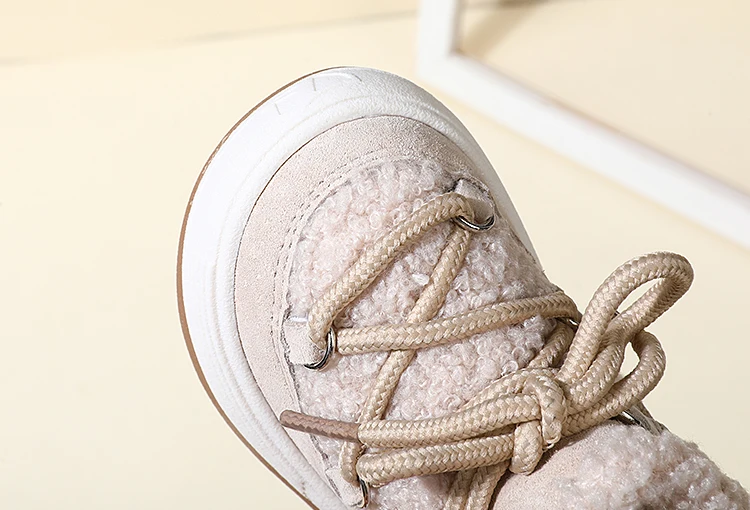
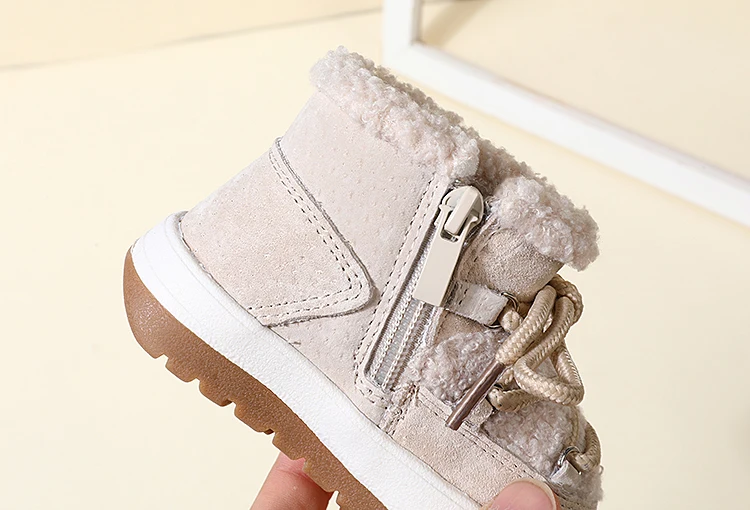
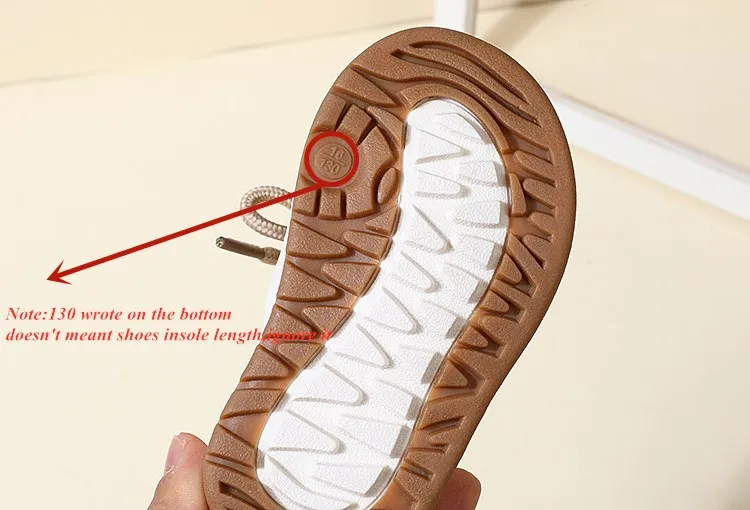
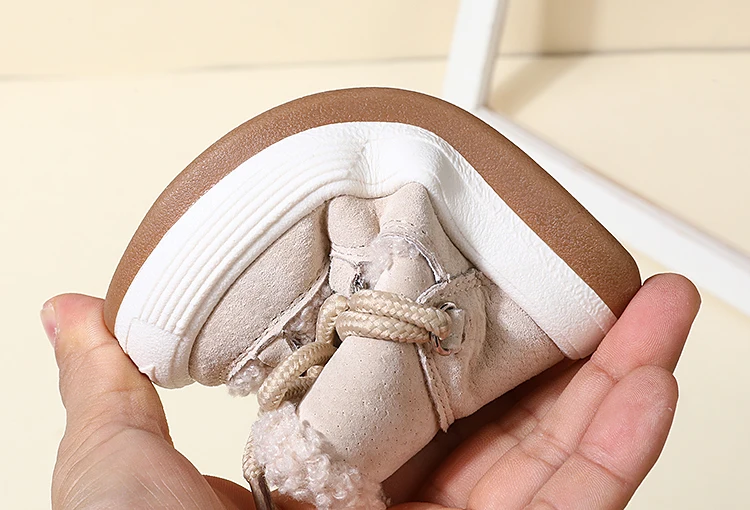
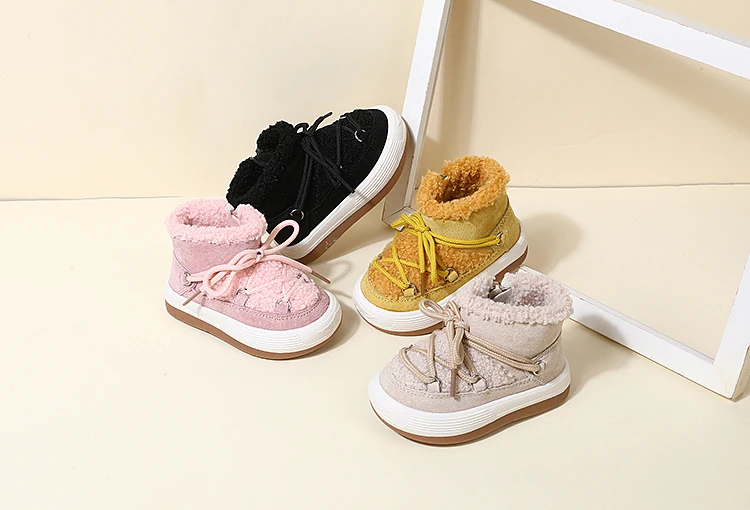
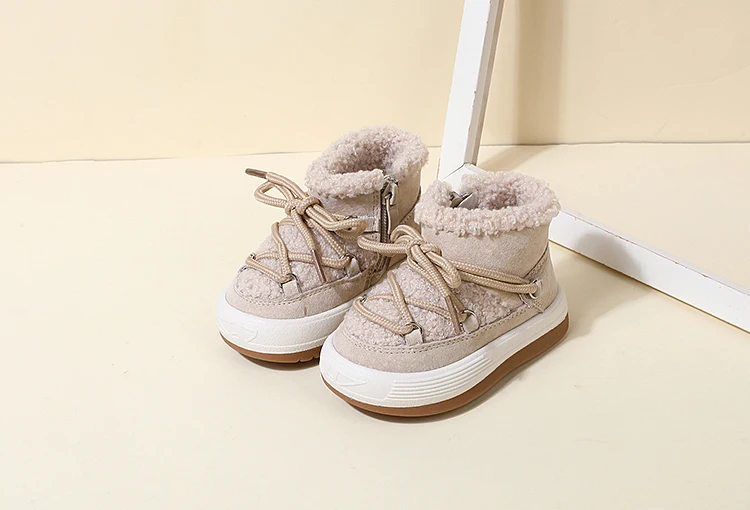
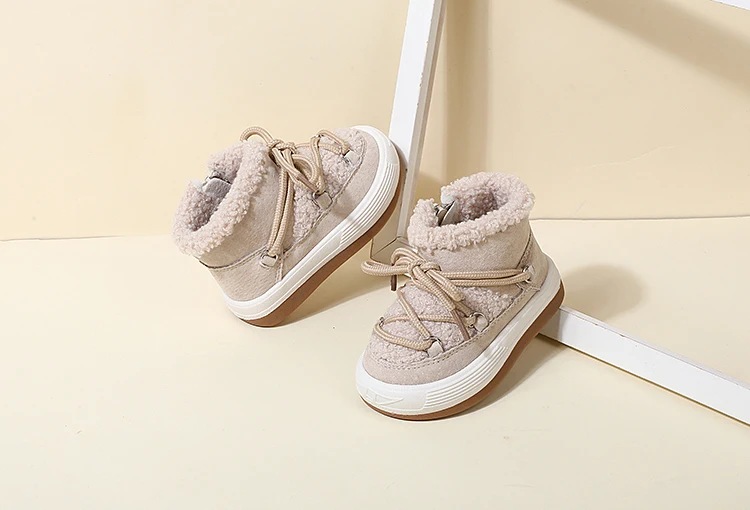
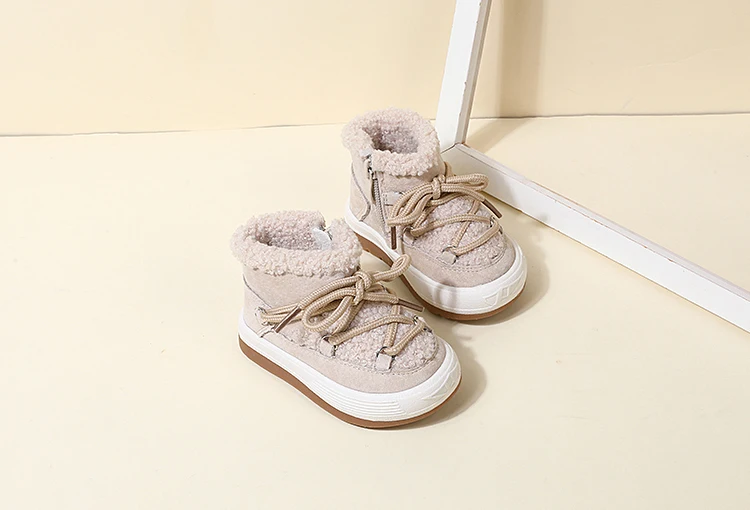
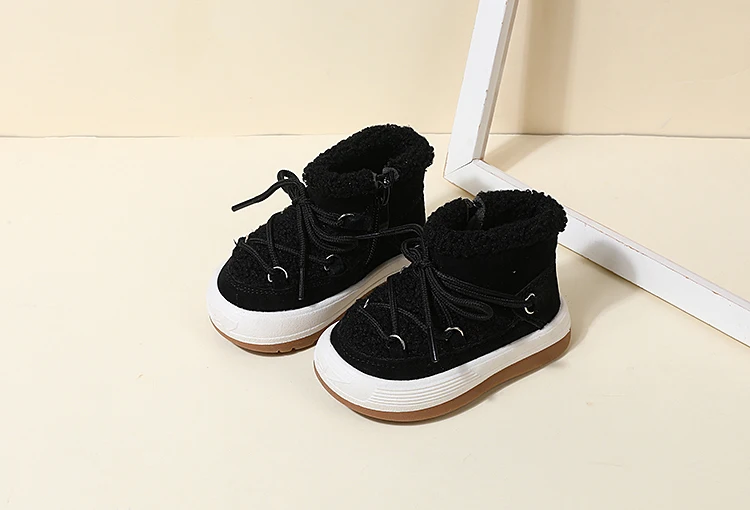
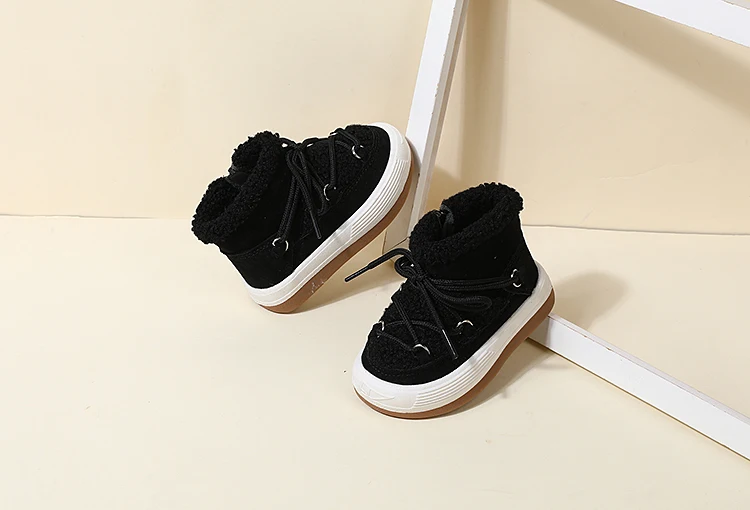
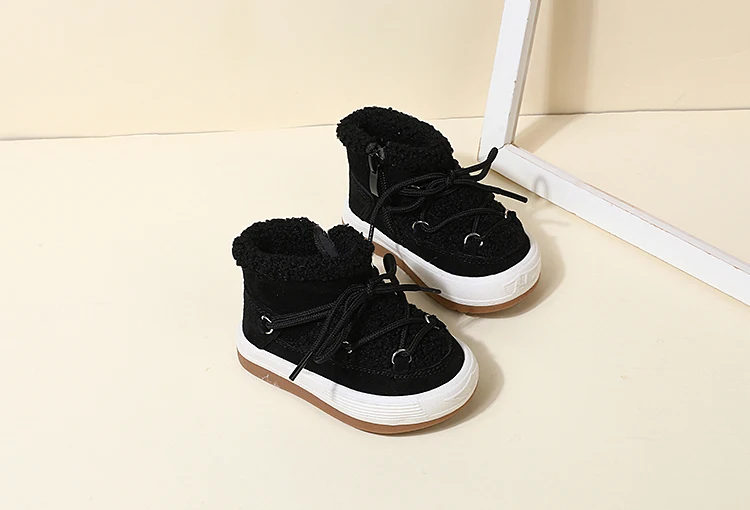
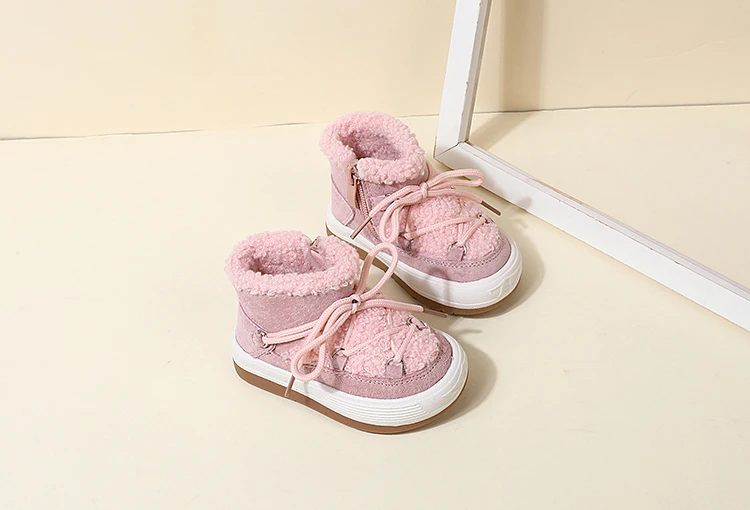
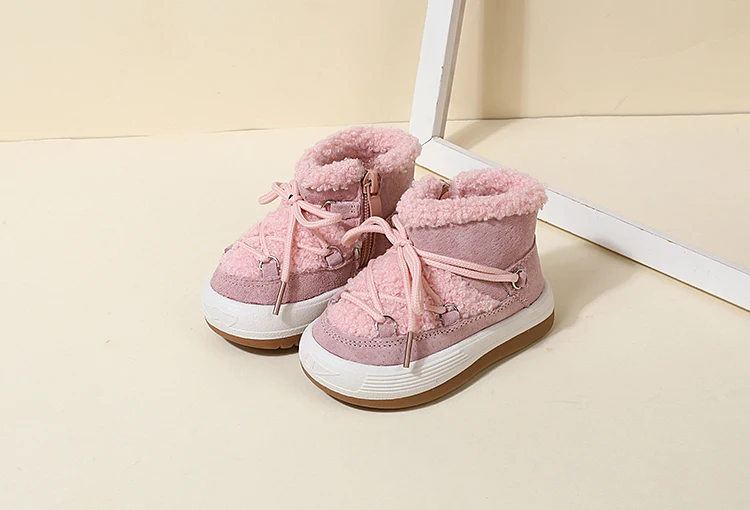
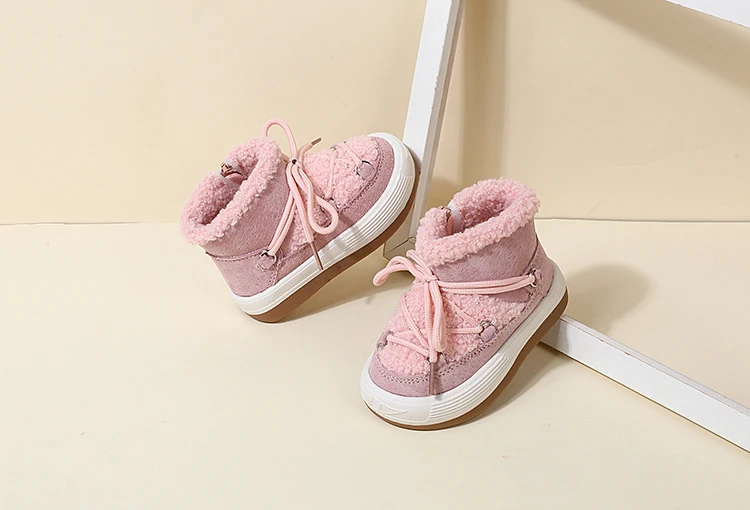
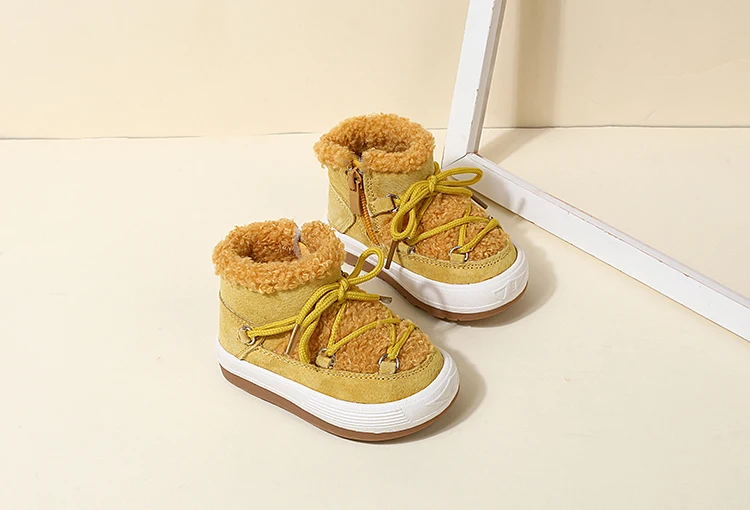
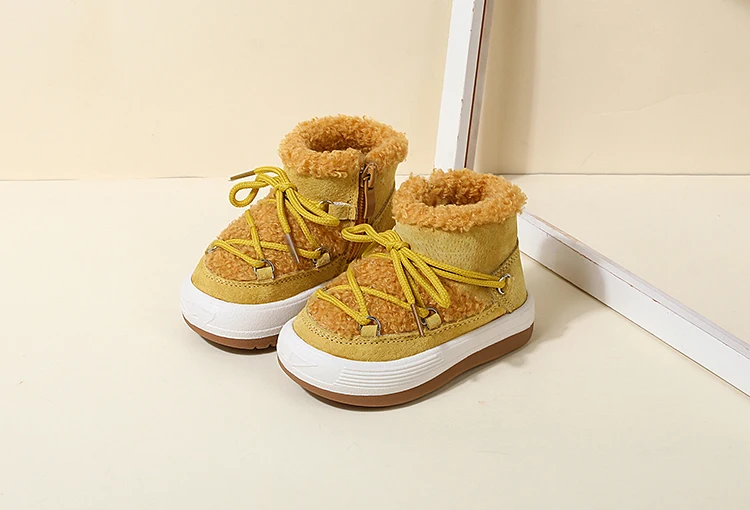
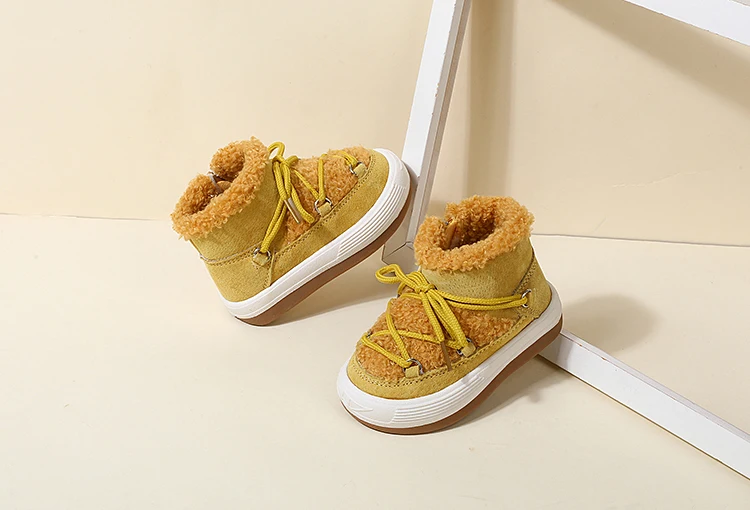
High Instep Toddler Shoes
Finding properly fitting shoes for toddlers can be a challenge on its own — but it becomes even more difficult when your child has a high instep. A high instep means the top part of the foot is more elevated than average, which can make standard shoes feel tight, uncomfortable, or even painful. If ignored, poor shoe fit can lead to blisters, limited mobility, or delays in walking confidence.
Toddlers with high insteps need shoes designed to give their feet more space and flexibility without compromising support. This guide explains how to identify a high instep, what features to look for in shoes, and how to avoid common mistakes when shopping. Choosing the right shoe isn’t just about comfort — it’s about supporting your toddler’s natural development.
Understanding High Instep in Toddlers
What Is a High Instep?
In toddlers, a high instep often looks like a puffier or taller foot, especially on top. Unlike arch height, which is on the bottom of the foot, the instep affects how a shoe fits across the top. Shoes that are too shallow may press down uncomfortably or not fasten properly.
Common Signs Your Toddler Has a High Instep
-
Difficulty getting shoes on or closing straps
-
Red marks across the top of the foot after wearing shoes
-
Complaints or signs of discomfort (limping, pulling shoes off)
-
Shoes appear too tight on top but fit well in length and width
Why Shoe Choice Is Critical
When shoes don’t accommodate a high instep, it can restrict movement, cause pressure points, and discourage active play. Over time, this can affect balance, walking posture, and foot development. That's why it's important to find shoes that provide enough space on top without being too loose elsewhere.
Key Features to Look for in High Instep Toddler Shoes
Adjustable Closures
Look for shoes with Velcro straps, elastic laces, or hook-and-loop fasteners. These allow you to customize the fit and provide extra room across the top of the foot without squeezing it.
Extra Depth and Roomy Toe Box
Shoes with added depth give the foot more vertical space, which helps reduce pressure on the instep. A roomy toe box also prevents crowding and allows toes to spread naturally for better balance.
Soft, Stretchable Uppers
Materials like mesh, soft leather, or fabric can stretch to accommodate the high instep without causing discomfort. Avoid stiff materials that can dig into the top of the foot or limit movement.
Arch and Ankle Support
Even with a high instep, toddlers still need good arch and ankle support to help stabilize their steps. Look for shoes with cushioned insoles and padded collars to support proper alignment.
Flexible but Supportive Soles
Toddlers benefit from soles that bend with their feet but still offer protection and grip. A balance of flexibility and firmness helps promote natural movement while preventing slips or fatigue.
Shoe Types That Work Best
Sneakers
Sneakers are often the best all-around option for high insteps. They typically feature adjustable closures like Velcro or elastic laces, breathable uppers, and cushioned soles. Look for styles labeled as “extra depth” or with flexible uppers to accommodate foot height.
Pros: Great support, easy to adjust, durable
Cons: Can be bulky in warm weather
Sandals
Open-toe or open-top sandals can relieve pressure on the instep, especially in warmer months. Choose models with adjustable straps across the top and around the ankle for a secure fit.
Pros: Breathable, less restrictive on top
Cons: Less foot protection and arch support
Boots
High-quality toddler boots can be a good choice for cooler weather if they have soft uppers and wide openings. Avoid stiff leather or zip-only boots that don’t allow for top adjustment.
Pros: Warm, supportive, protective
Cons: Can be hard to put on, may feel tight if not designed with depth
Dress Shoes
Dress shoes are trickier, but some brands offer models with extra instep room. Prioritize comfort features like padded insoles, soft materials, and Velcro closures over rigid slip-on styles.
Pros: Stylish for special occasions
Cons: Often limited in flexibility and depth
Common Shoe Fitting Mistakes to Avoid
Sizing Too Small or Too Narrow
Many parents size shoes based only on length, overlooking width and depth. A shoe that’s too tight across the top will cause pressure on the instep, leading to redness or resistance when putting them on.
Ignoring Pressure Marks or Red Spots
Red marks across the top of the foot or near closures are signs that the shoes are too tight. Even if the rest of the shoe fits well, pressure on the instep means the fit isn’t right.
Not Measuring Both Feet
It’s common for toddlers to have slight differences between their feet. Always measure both feet and fit shoes to the larger foot to avoid discomfort or imbalance.
Choosing Style Over Support
Cute designs or trendy styles might catch your eye, but they often come with rigid materials or limited adjustability. Prioritize structure, flexibility, and fit — especially for toddlers still developing their walking habits.
Tips for Shoe Shopping with a Toddler Who Has a High Instep
Shop in the Afternoon
Feet tend to swell slightly throughout the day, even in toddlers. Shopping in the afternoon ensures you get a more accurate fit, avoiding shoes that feel tight later on.
Bring Your Toddler and Try Both Shoes
Always bring your toddler along to try on shoes. Let them walk around in both shoes to check for balance, comfort, and ease of movement. Watch for hesitation, limping, or signs of discomfort.
Break-In Period: What to Expect
Even the best-fitting shoes may need a short adjustment period. However, shoes should never require “breaking in” to the point of causing pain or blisters. Slight stiffness is fine — but pressure across the top is a red flag.
Consider Orthotic-Friendly Shoes
If your child uses orthotics or insoles, look for shoes with removable footbeds or extra depth. These allow you to insert custom supports without making the shoe too tight on the instep.
Recommended Brands to Consider
Stride Rite
A trusted name in children’s footwear, Stride Rite offers wide and extra-wide options with flexible soles and roomy designs. Many of their styles feature Velcro straps and deep footbeds ideal for high insteps.
See Kai Run
Known for their lightweight, flexible shoes, See Kai Run includes models with generous toe boxes and soft uppers. They also offer wide-fit options and styles that accommodate orthotics.
Pediped
Pediped shoes are designed with podiatrist-recommended features and cater to various foot shapes. Their flexible soles and padded insoles help support toddlers with high insteps and sensitive feet.
New Balance (Kids Line)
New Balance offers athletic-style toddler shoes in multiple widths, including wide and extra-wide. Many of their designs have adjustable straps and breathable materials that work well for higher insteps.
Tsukihoshi
A Japanese brand focused on foot health, Tsukihoshi shoes are often machine-washable and lightweight, with roomy interiors and high-quality materials. They’re also orthotic-friendly and easy to put on.
Conclusion
Choosing the right shoes for a toddler with a high instep isn’t just about avoiding discomfort — it’s about supporting healthy foot development from the start. With the right features like adjustable closures, extra depth, soft uppers, and flexible soles, you can ensure your child stays active, stable, and pain-free.
Take the time to understand your toddler’s foot shape, avoid common fitting mistakes, and look for brands that prioritize comfort and structure. A properly fitted shoe makes all the difference in how your toddler walks, plays, and explores their world.