


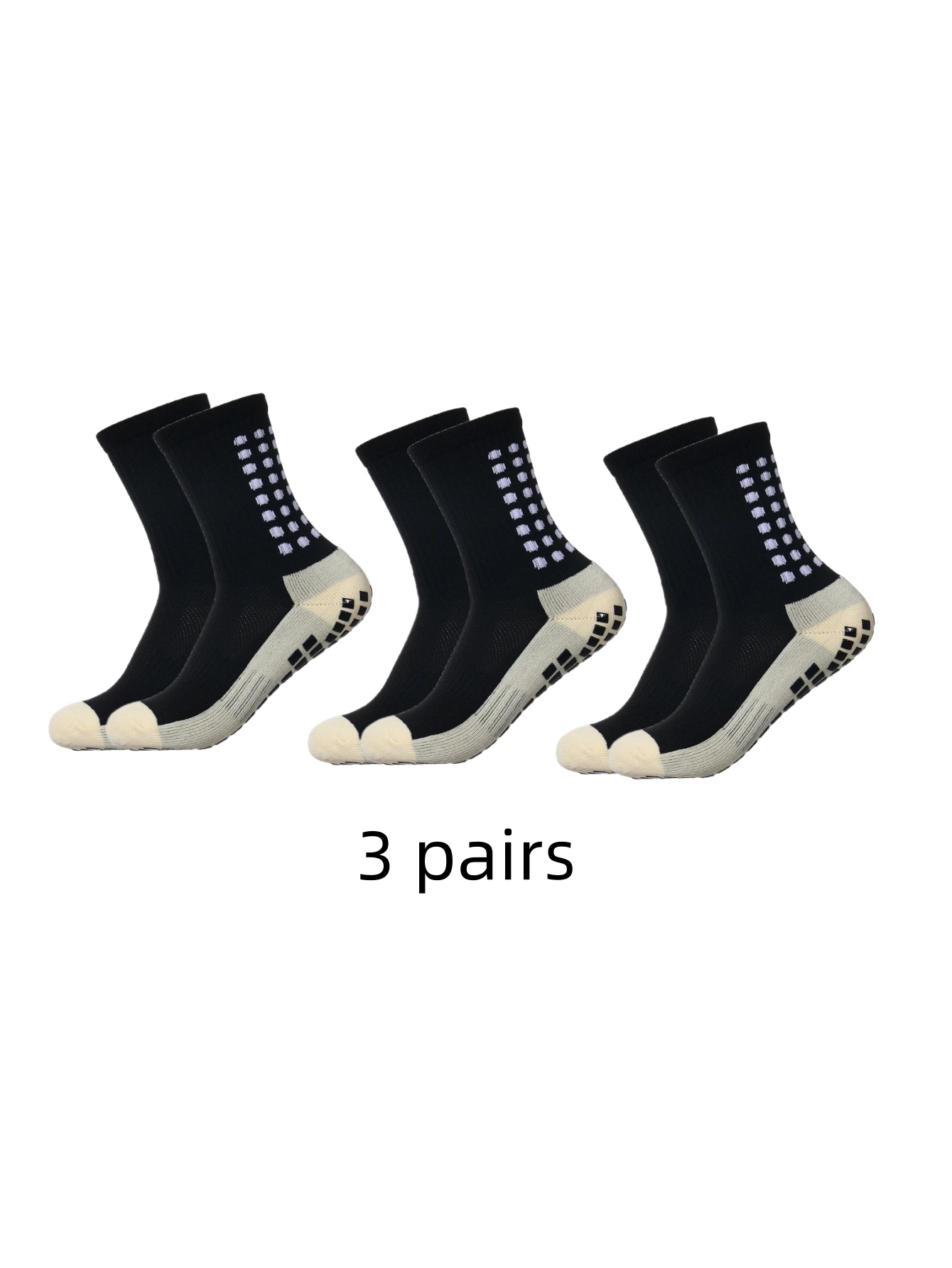
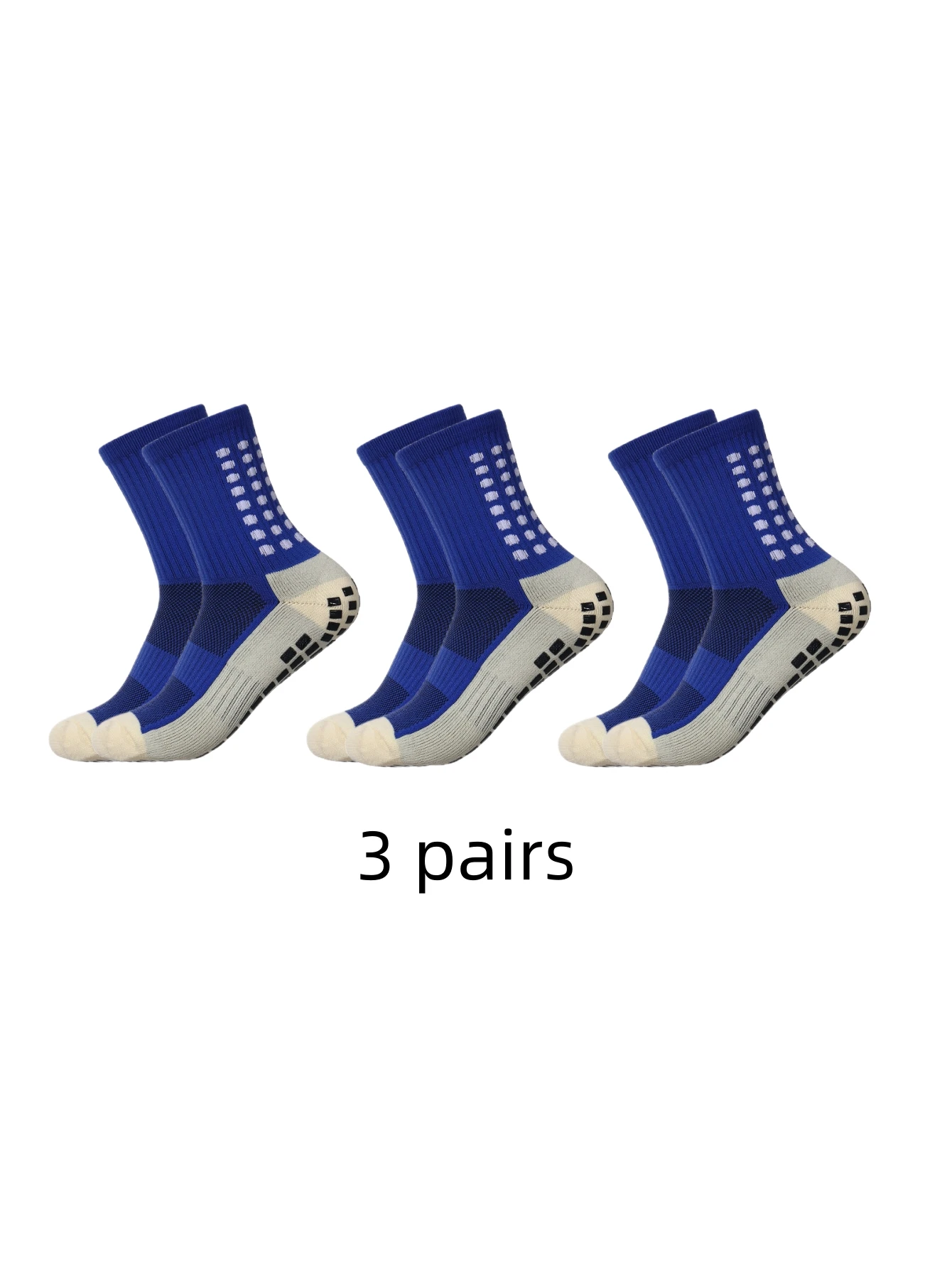
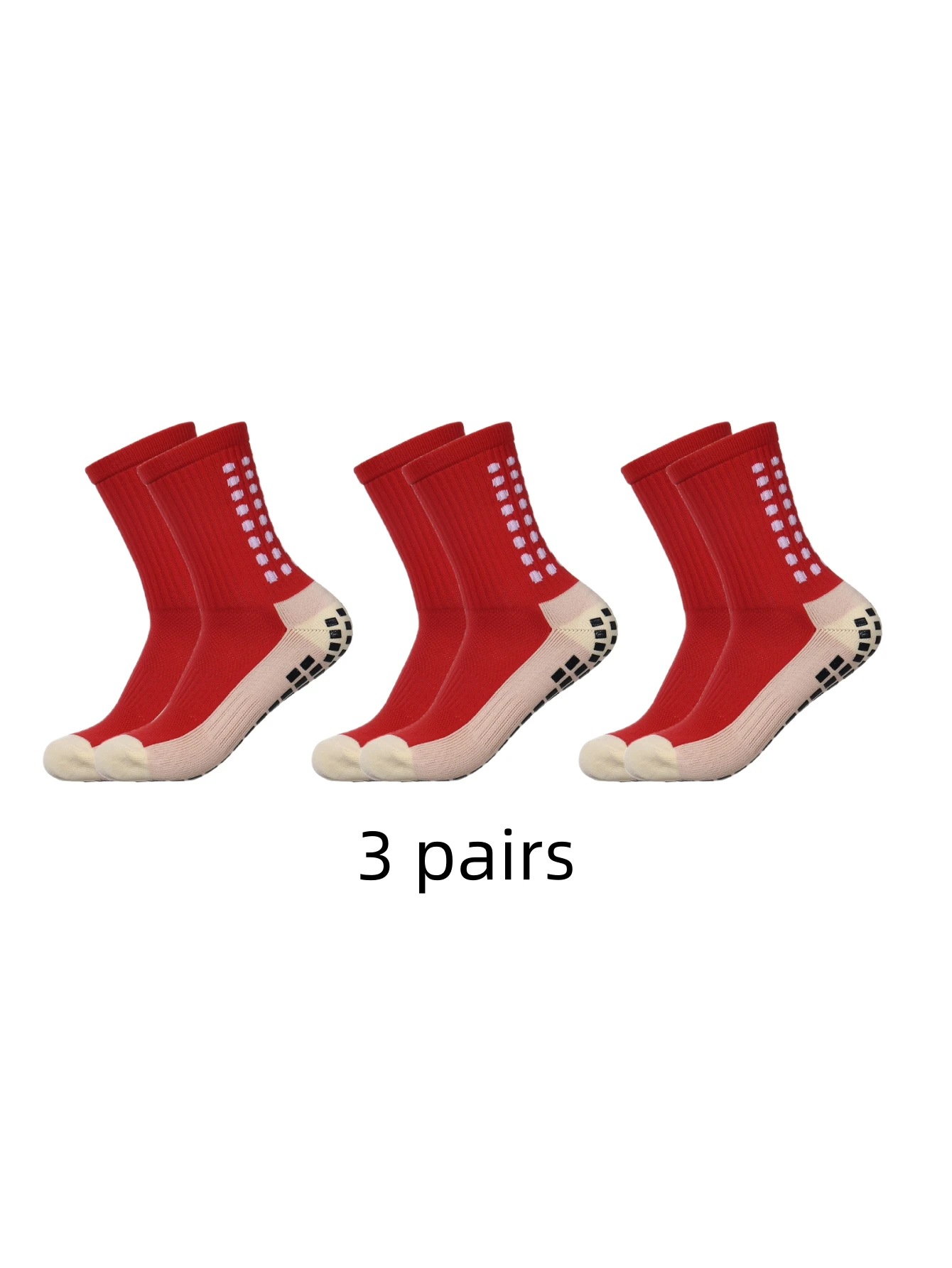
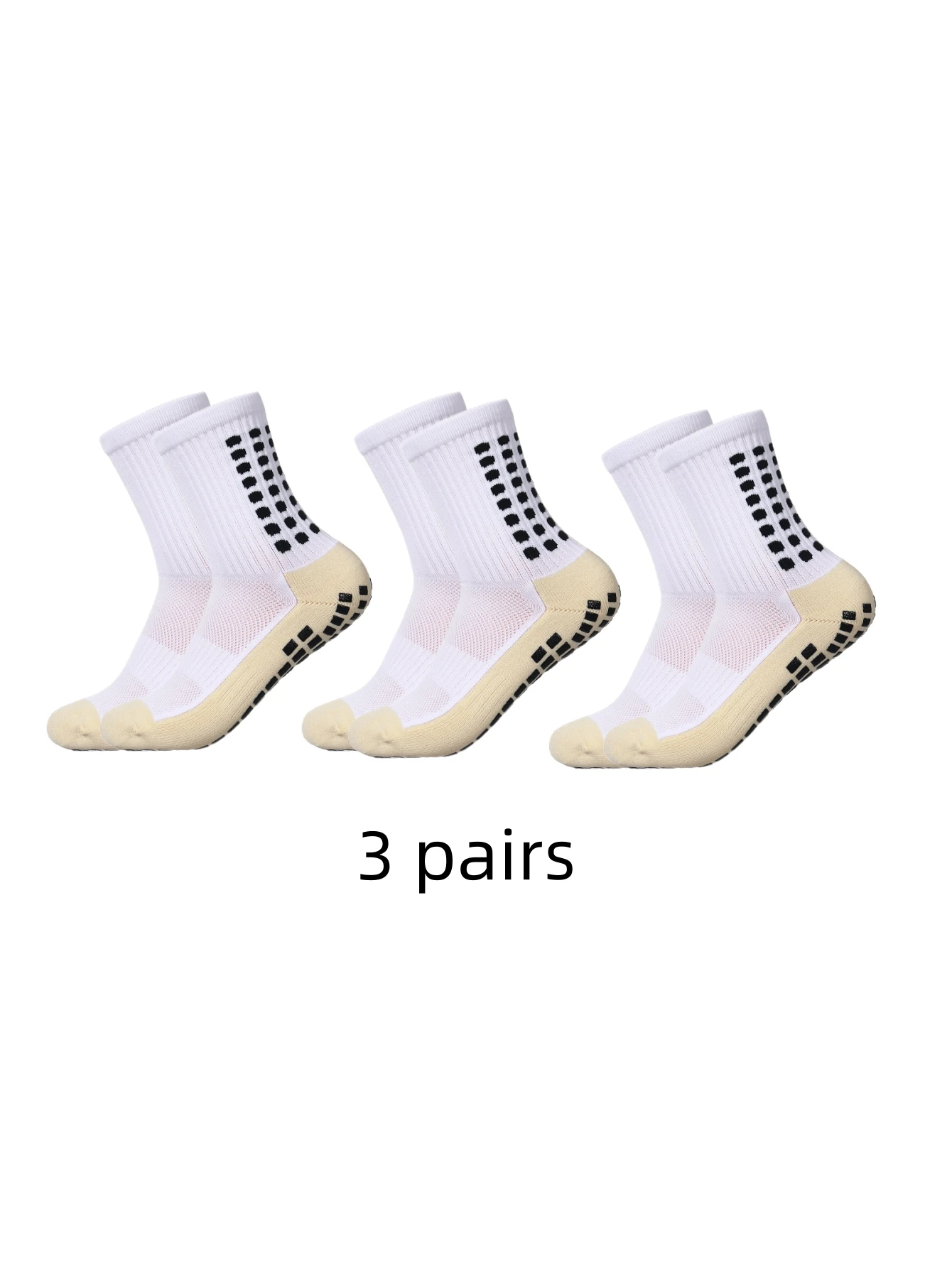
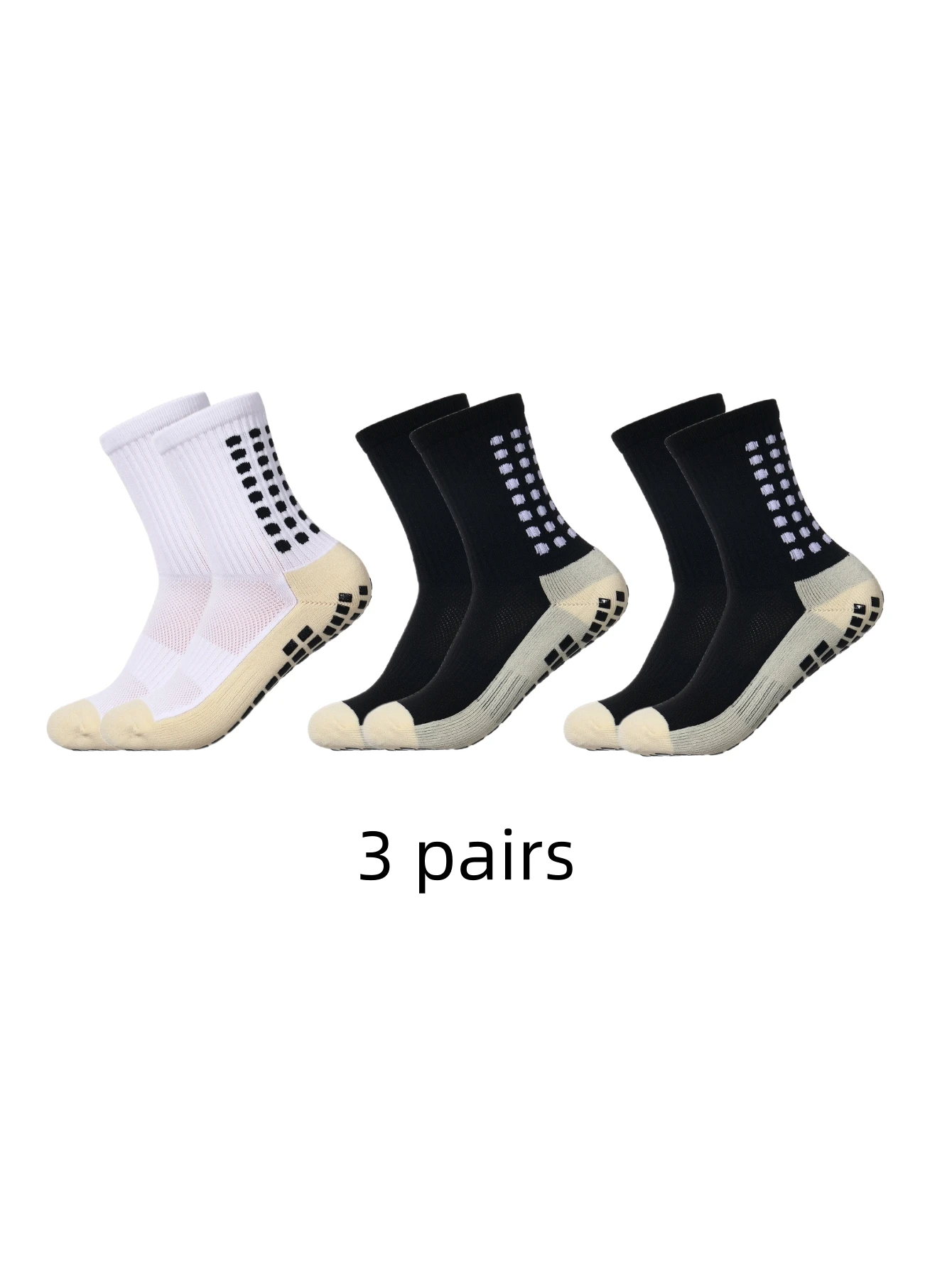
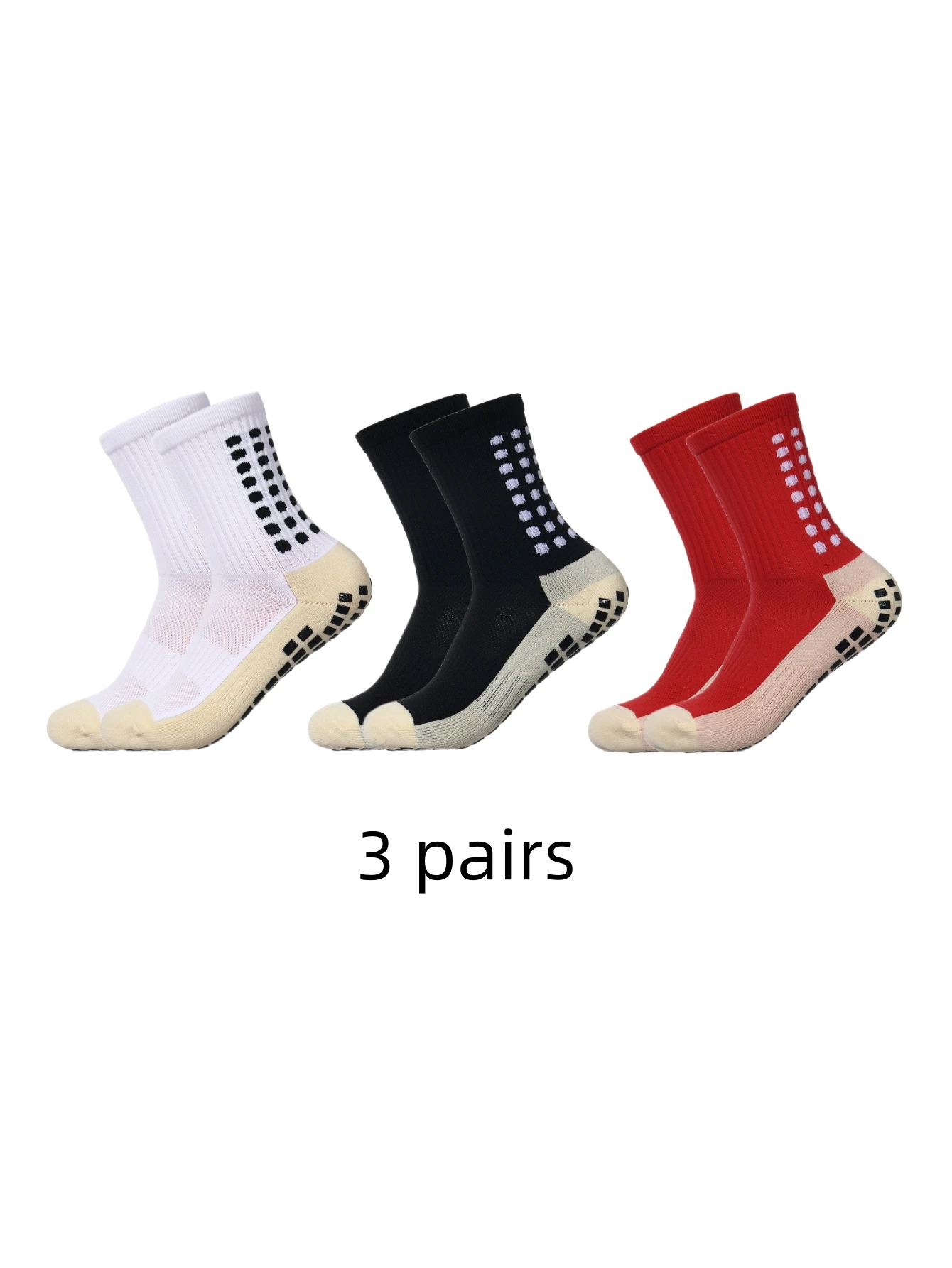
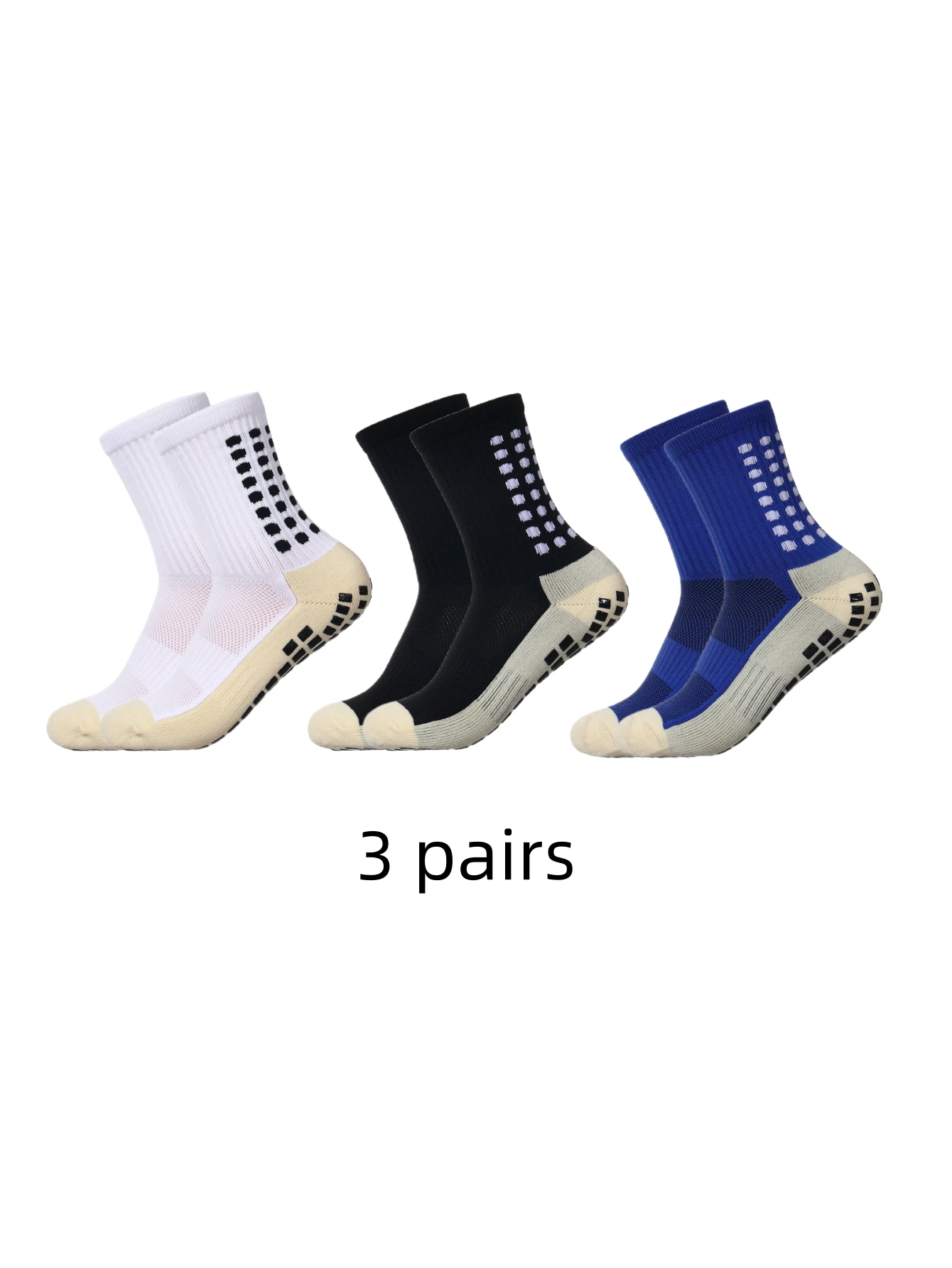
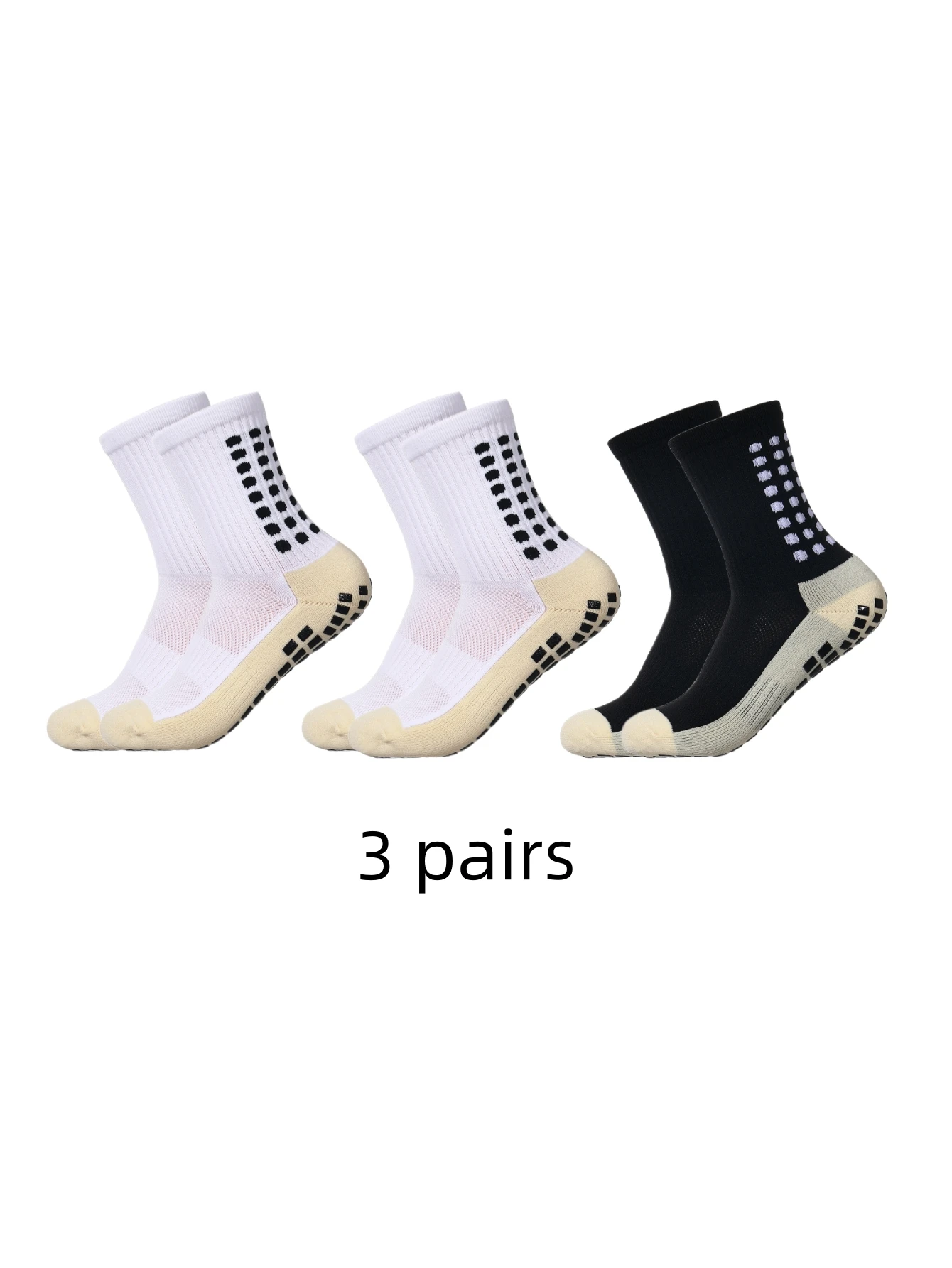
3 pairs Kids Soccer Grip Socks
$15.99$20.7923% off
Hurry up! Free shipping on first order
Color: ertong1hei1bai1lan
Quantity


SHARE:
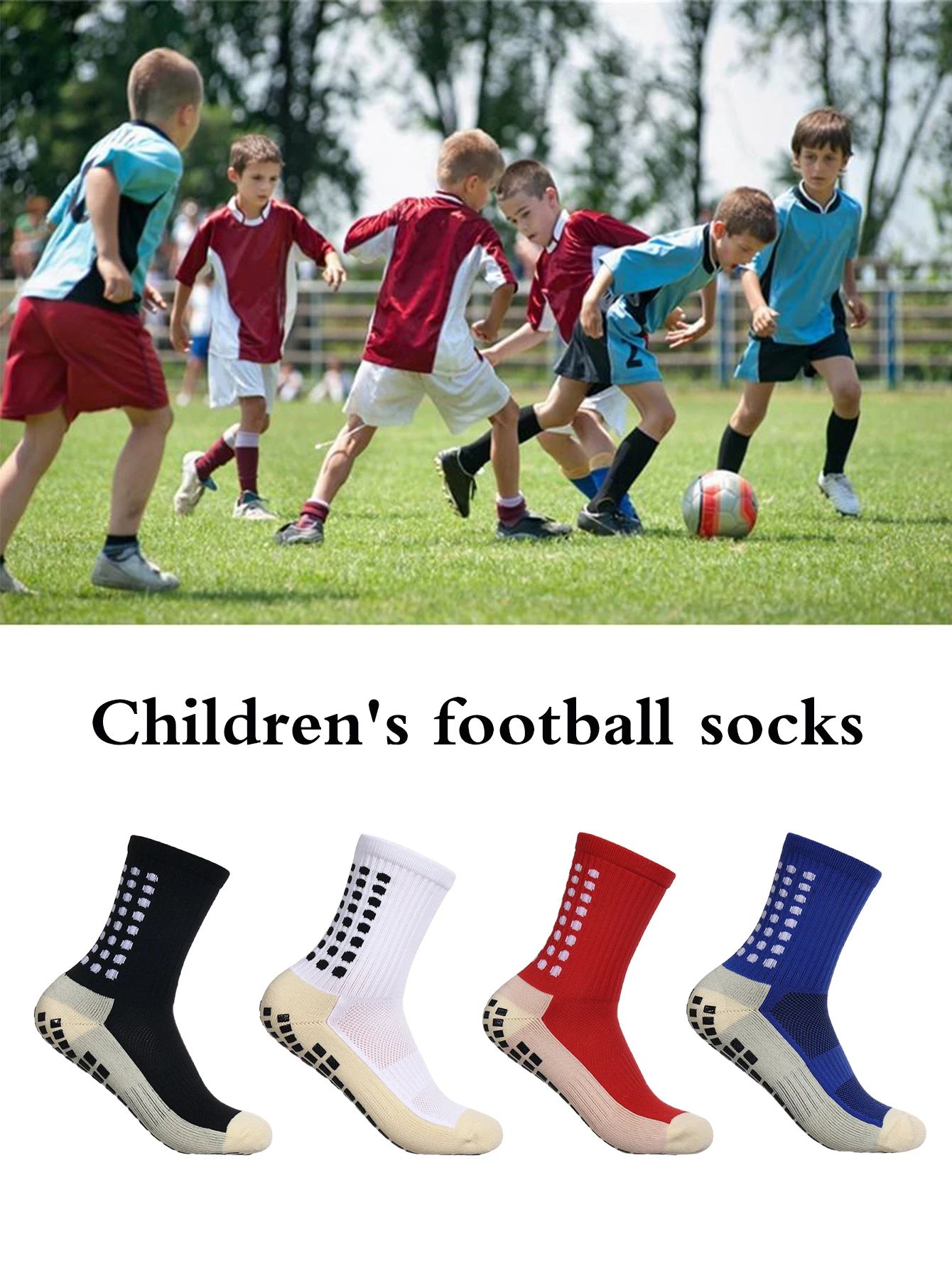

Choosing the Best Grip Socks for Young Soccer Players
Youth soccer demands speed, agility, and precision—but none of that matters if a player can’t stay firmly planted in their cleats. Regular athletic socks often slide inside the shoe, especially during quick turns or sudden stops. This not only affects performance but also increases the risk of blisters and minor injuries. Grip socks solve this by offering extra traction through built-in non-slip pads that keep the foot stable inside the boot. For young players still developing coordination and balance, this added support makes a noticeable difference on the field. Whether it’s for training or game day, the right grip socks give kids better control, more comfort, and the confidence to focus fully on their game.
What Are Grip Socks and How Do They Work?
Grip socks are specially designed athletic socks that feature rubberized or silicone pads on the sole, strategically placed to prevent the foot from sliding inside the shoe. Unlike regular cotton or polyester socks, which often shift during intense activity, grip socks lock the foot in place. This improved grip translates to better control during sprints, sudden direction changes, and sharp cuts—common movements in soccer.
For kids, this technology provides more than just traction. It gives them the physical confidence to move freely without fear of slipping, which is essential during their formative playing years. Many grip socks also include compression support around the arch and ankle, helping stabilize the foot and reduce fatigue during long sessions. When paired with well-fitted cleats, grip socks create a more secure and responsive feel, helping young athletes get the most out of every touch and movement.
Benefits of Grip Socks for Kids in Soccer
1. Better Balance and Stability
The anti-slip pads on grip socks reduce internal foot movement, helping kids maintain their footing during quick direction changes, turns, and pivots. This translates to more accurate movements and quicker reaction times on the field.
2. Reduced Risk of Injury
Foot slippage inside a cleat can lead to rolled ankles, blisters, or pulled muscles. Grip socks minimize this risk by keeping the foot securely in place, providing consistent support throughout a game or training session.
3. Improved Foot-to-Boot Contact
Because the foot doesn’t slide around, young players feel more connected to their cleats. This helps improve ball control, passing accuracy, and overall responsiveness—key skills in soccer development.
4. Enhanced Comfort
Most grip socks are made with breathable, moisture-wicking materials that keep feet dry and cool. Combined with arch support and a snug fit, they help prevent discomfort, even during long matches or back-to-back training days.
Key Features to Look for in Kids Soccer Grip Socks
1. Non-Slip Sole Patterns
Look for socks with rubber or silicone grips on the sole, especially in high-pressure areas like the heel and ball of the foot. These prevent internal slipping and provide a stable base during explosive movements.
2. Breathable, Moisture-Wicking Fabric
Kids sweat a lot during games, and damp socks can lead to blisters and irritation. Choose materials like polyester blends or performance knits that pull moisture away from the skin and allow air circulation.
3. Compression and Snug Fit
Good grip socks should offer light compression in the arch and ankle for support. They should fit tightly without cutting off circulation, and stay in place even during intense play.
4. Durability and Washability
Kids wear their gear hard. Opt for socks that maintain their grip and structure after multiple washes. Reinforced stitching in the toe and heel can also prevent early wear and tear.
5. Size and Fit for Growing Feet
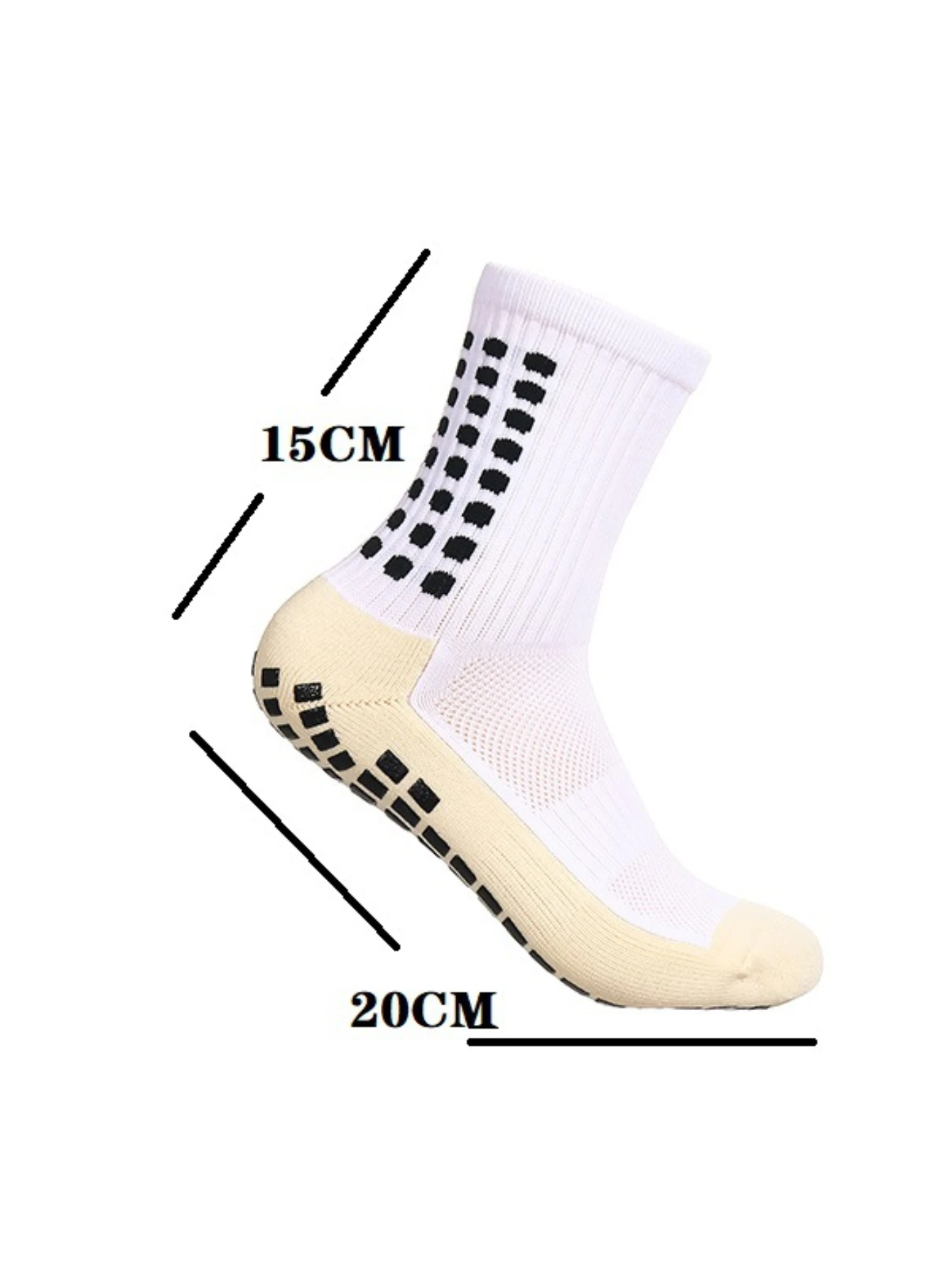
Always check the size chart—grip socks are less effective if they’re too loose or tight. Some brands offer youth-specific sizing or stretch-fit designs that accommodate growth without sacrificing performance.
Best Situations to Use Grip Socks in Youth Soccer
1. Competitive Matches
During games, every movement matters. Grip socks help kids stay balanced and responsive, reducing the chance of slipping during high-pressure moments like sudden stops, fast breaks, or tight turns.
2. Wet or Artificial Turf Conditions
Slippery playing surfaces can make regular socks a liability. Grip socks provide the extra traction needed to maintain footing, especially on slick artificial grass or damp fields after rain.
3. Long Training Sessions
Extended practice can cause feet to sweat, leading to discomfort or blisters. Grip socks manage moisture better and provide consistent support, helping young athletes stay focused longer.
4. For Kids Who Struggle With Foot Slippage
If a child frequently complains about sliding in their cleats or getting blisters, grip socks can be a simple and effective solution. They create a more locked-in feel, improving comfort and control.
Common Mistakes to Avoid When Buying
1. Buying Adult Sizes for Kids
It might be tempting to size up, thinking your child will grow into them—but oversized grip socks defeat the purpose. A loose fit allows the foot to slide, eliminating the grip benefit entirely.
2. Choosing Low-Quality Materials to Save Money
Not all grip socks are made equal. Cheaper versions may have weak grip patterns that wear off quickly or fabrics that don't breathe well. This can lead to discomfort, odor buildup, or faster wear and tear.
3. Ignoring Compatibility With Cleats
Some grip socks are thicker than regular ones, which can make a snug cleat feel too tight. Always test the socks with your child’s cleats before game day to ensure a comfortable, secure fit.
4. Not Reading Reviews or Sizing Charts
Each brand sizes differently. Skipping the size chart or buyer reviews can lead to socks that are either too small or too big. Take a minute to double-check before purchasing.
Final Tips for Parents
1. Buy Multiple Pairs
Having 2–3 pairs ensures your child always has a clean set ready for training or matches. It also reduces wear from overuse and gives you time to wash and dry them properly.
2. Follow Proper Washing Instructions
To preserve the grip pads and fabric quality, wash grip socks inside out in cold water and avoid high heat drying. Air drying is recommended to maintain elasticity and grip performance.
3. Monitor for Wear and Replace When Needed
Over time, grip pads can flatten and lose effectiveness. If the socks no longer prevent slippage or the fabric stretches out, it’s time for a new pair. Worn-out grip socks can be worse than regular ones if they give a false sense of traction.
4. Test Fit with Cleats Regularly
Kids grow quickly. Recheck how the socks and cleats fit together every few months. A too-tight combo can affect circulation, while too loose a fit compromises support and control.
Conclusion
Grip socks may seem like a small detail in a soccer player’s gear, but for young athletes, they offer a real performance edge. From improving traction and stability to reducing the risk of blisters and injuries, the right pair of grip socks can help kids focus on their game instead of their feet. By paying attention to fit, materials, and features, parents can make sure their child is fully supported—literally—from the ground up. As with any piece of soccer gear, choosing well and maintaining it properly ensures it delivers the best value and performance over time.